
Uncategorized
Best AR 15 Muzzle Brake | Best Flash Hider
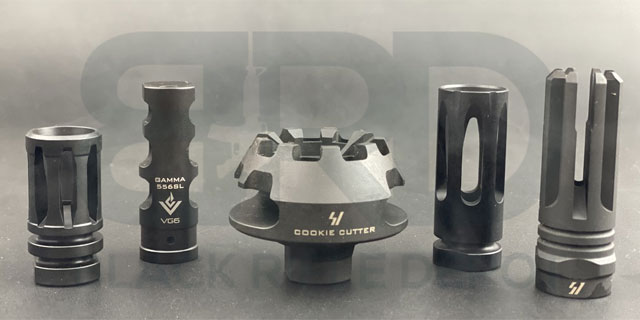
Sep
What is the device on the end of a barrel for, what is it
called, and is there a difference? There is a wide difference in muzzle devices,
and we will go over them here. Very often people do not realize there is as
much difference in types, functions, as well as looks and prices.
While there are special devices such as silencers, we will
not be discussing those here. We will however be looking at the differences,
similarities, pros/cons, and purposes of the three most common devices found on
the end of most AR 15 Barrels. The Muzzle Brake, the Compensator, and the Flash
Hider (or Flash Suppressor).
When the bullet leaves the end of the barrel, it does so very
fast and is followed by hot gasses. These gasses, when they come into contact with
cooler ambient air tend to expand quickly and flash in a small cloud. Placing a
device at the end of the barrel to direct or disperse this cloud is what the
muzzle device is for. The second function of the muzzle device is to use the
direction of the expelled gasses to cause or limit barrel rise or movement. The
last possible function of the device is to mitigate the recoil, concussion, or
flashing of gasses. Each muzzle device has one or more of these functions
considered in its design. We will take a close look at what each style of
muzzle device is.
Muzzle Brake
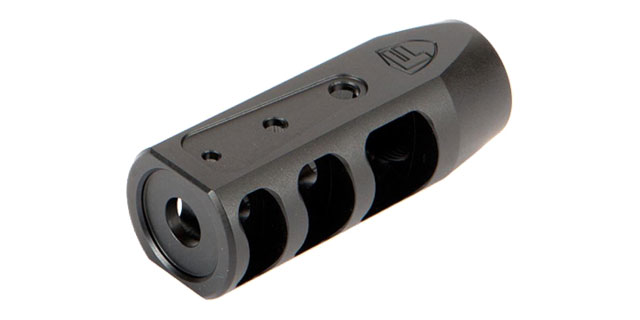
Most muzzle brakes often direct gas toward the sides. This
makes for shooting with them for range nicer. But because they port to the
sides, they direct the concussion and blast toward anyone standing in the vicinity.
Because they are often extremely loud, they are poor choices for tactical
engagements, shooting indoors, or shooting in close proximity to others.
A muzzle brakes primary functions then are to then minimize
recoil with a secondary function of slightly reducing muzzle climb during
successive fire. This can help with shooter fatigue and speed up target reacquisition
during successive fire at a moving or stationary target.
Compensator
While very similar and often mistaken for the same thing, a
compensator performs similarly to a muzzle break. Both dispel high-velocity gas
through ports designed to redirect it for a purpose. A compensator’s primary
function however is to use the gas specifically to cut down muzzle rise.
To this end, compensator vent ports are designed to direct
gasses upward. This “pushes” the front of the barrel down against the muzzle
rise experienced otherwise. A compensator is a fine choice when shooting from a
prone position low to the ground when stealth is not an issue. Because the
compensator directs propelled gasses upward and not down, the chances of a dust
cloud being kicked up are minimized. While sound suppression and flash
suppression are uninhibited.
Flash Hider
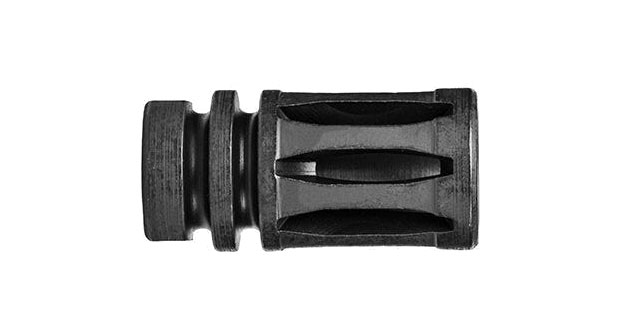
Speaking of suppressing the flash from the barrel end, a flash hider or flash suppressor is designed to disrupt the gas cloud as it
comes into contact with the ambient air. Often by creating turbulence and mixing
the extremely hot propulsion gasses with cooler ambient air, it minimizes the
flash that can occur with other muzzle devices. Because the primary function of
a flash hider is to reduce or eliminate the flash from the rifle end when
fired, it acts to assist in the shooters position staying hidden form enemies
when used at night.
For this reason, some states have decided they do not want
civilian or citizen shooters using these suppressors to remain hidden while
shooting. Many states including California,
Massachusetts, Maryland, New York, and New Jersey, have existing bans in place restricting the use
of and muzzle device that suppresses the muzzle flash. So be sure to check your
local jurisdictions before deciding on a muzzle device for your next build.
What is the Best Muzzle Device?
Considering there are now a long list of hybrid AR 15 muzzle devices to choose from, you can get the benefits of more than one style in the
convenience of having just one device on the end of your barrel. The options
are nearly endless. Once you choose the function of the device you then must
choose the finish and treatment options. You can have a matte black, shiny chrome,
stainless steel, or a glossy black nitride treatment just to name a few of the
popular ones.
