
AR-15 Barrels
Best AR-15 Barrels for Accuracy in 2026: Top Picks for Precision Builds
Mar
Table of Contents
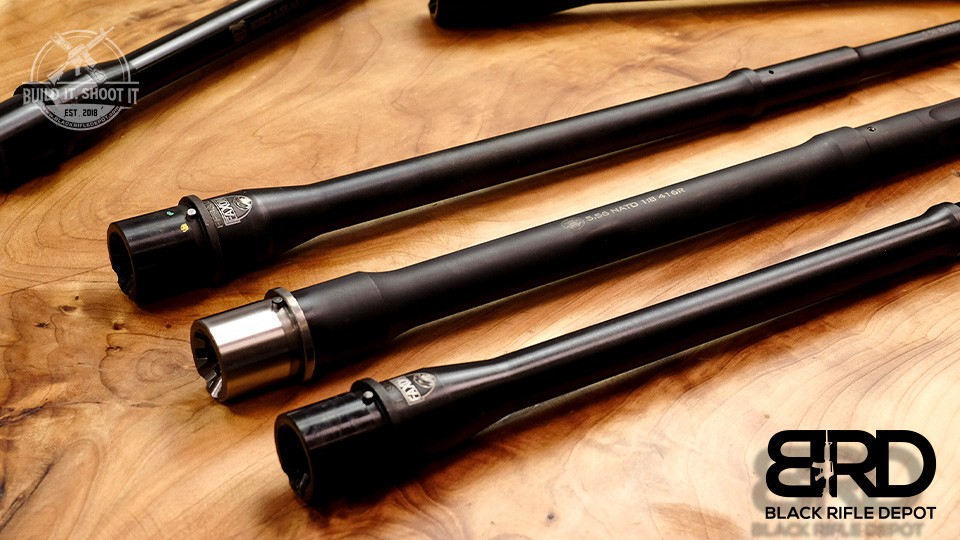
If you want your rifle to shoot better, balance better, and match your build goals, start with the barrel. The right AR-15 barrel does more than send rounds downrange. It shapes your rifle’s accuracy, recoil feel, handling, velocity, and long-term durability. In this guide, we will break down what matters most when shopping for AR-15 barrels, from length and profile to material, finish, twist rate, and compatibility.
Whether you need a compact setup for close work, a general-purpose rifle, or a precision build, choosing the right barrel will help you get more from every shot. We will also cover key parts like the AR-15 barrel nut, torque basics, and common questions buyers ask before they commit.
Why the Barrel Matters in Every AR-15 Build
Every AR-15 builder focuses on a few core parts first. Most people think about the handguard, trigger, optic, or stock. Those parts matter, but the barrel plays the biggest role in how the rifle performs. A quality barrel gives you consistent velocity, dependable accuracy, and a setup that fits your intended use.
That is why so many shooters look for the best AR-15 barrels before they upgrade anything else. If you are building a lightweight rifle, a defensive carbine, or a range gun, the barrel determines what that platform does well. A shorter barrel keeps the rifle compact and quick. A longer barrel helps you squeeze out more velocity and a steadier sight picture. Material and finish affect barrel life, corrosion resistance, and cleaning needs.
You also need to think about compatibility. A proper barrel extension for AR-15 platforms ensures the barrel interfaces correctly with the upper receiver and bolt. Good fitment supports reliable feeding and lockup. On the installation side, the AR-15 barrel nut secures the barrel to the upper and creates the foundation for your handguard system. That makes correct installation procedures just as important as the barrel itself.
When you shop smart, you do not just buy a barrel. You build the rifle’s entire performance profile.
Choosing the Right Barrel Length for Your Goal
Barrel length affects how your AR-15 feels and performs. That is why one of the first decisions you should make is how you plan to use the rifle. A home-defense carbine, a truck gun, and a bench rifle do not need the same setup.
A 10.5-inch AR-15 barrel works well for compact builds where maneuverability matters most. It keeps the rifle short and fast in tight spaces. Many shooters choose this length for a short-barreled AR-15 build because it handles quickly and packs into a smaller footprint. You trade some velocity for that compact size, so you need to match your ammo and expectations to the platform.
The 14.5- to 16-inch range remains the go-to choice for all-around rifles. These barrels offer a strong balance of velocity, control, and portability. If you want one rifle that can do a little of everything, this range usually makes the most sense.
A 20-inch AR-15 barrel shines when you want to maximize velocity, stretch effective range, and build a rifle with a more traditional rifle-length feel. It works especially well for varmint hunting, range work, and precision-oriented setups.
The best length depends on purpose, not hype. If you match barrel length to your real-world use, you will end up with a rifle that feels right from the first range trip.
Barrel Materials, Finishes, and What They Mean for Performance
Not every barrel is built the same. Material and finish affect durability, weight, heat management, and potential for accuracy. That is why buyers looking for premium AR-15 barrels usually compare steel type and surface treatment before anything else.
Chrome-moly vanadium barrels offer a strong mix of toughness and value. They handle heat well and work great for hard-use carbines. Chrome-lined options improve corrosion resistance and help extend service life, especially if the rifle sees a high round count. They are a smart choice for shooters who prioritize durability and easy maintenance.
Stainless steel barrels often appeal to shooters who want excellent consistency and strong accuracy potential. These barrels are common in precision and SPR-style builds because they machine well and often deliver tight groups. They do not always last as long under heavy, rapid-fire use as harder-duty-focused barrels do, but they reward shooters who want more precision.
A carbon-fiber AR-15 barrel offers builders another option. These barrels reduce front-end weight while helping manage heat in a lightweight package. They are popular among shooters who want a rifle that stays easy to carry without sacrificing too much rigidity. They usually cost more, so they make the most sense for builders who value weight savings enough to justify the upgrade.
You should also check whether the barrel is an AR-15 threaded barrel. Threading allows you to add muzzle devices such as flash hiders, compensators, or suppressor mounts. For many modern builds, threaded capability is almost a must.

Criterion Barrels 11.5″ .223 Wylde Core Phosphate/Chrome-Lined Carbine Length Barrel
Criterion Barrels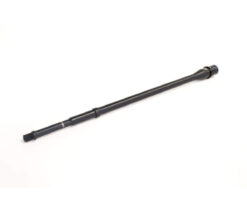
Barrel Profile, Twist Rate, and Accuracy
Once you know your ideal length and material, look closer at the profile and twist rate. These details shape how the rifle balances and which ammo it prefers.
Barrel profile refers to the barrel’s contour. Government and M4 profiles remain common because they balance strength and weight well enough for general use. Heavy profiles resist heat and flex better during long shot strings, which can help consistency. Lightweight profiles improve handling and keep the rifle from feeling nose-heavy. There is no universal winner here. A profile works best when it fits your needs.
Twist rate matters just as much. The twist rate tells you how quickly the rifling spins the bullet. A 1:7 twist works well with heavier bullets and remains a common choice for shooters who want flexibility with duty or defensive loads. A 1:8 twist stands out as one of the most versatile options because it handles a wide spread of bullet weights. A 1:9 twist can still work well with lighter bullets, but it is not as widely applicable as the others.
Shooters chasing accuracy often get caught up in a single spec and overlook the full system. Barrel quality matters, but ammo selection, optic quality, trigger control, and handguard setup also affect your groups. Pairing a good barrel with a free-float handguard and the right ammunition usually matters more than chasing trendy specs alone.
Installation Basics: Barrel Nut, Torque, and Tools
Even the best barrel can disappoint if you install it poorly. Proper assembly protects accuracy and reliability, so builders need to respect the basics.
The AR-15 barrel nut clamps the barrel assembly to the upper receiver. It must fit your handguard system and install correctly for proper alignment. Some builders reuse old hardware when they should replace it. Others mix parts from different systems, creating fitment issues that show up later. Matching your barrel nut to the upper and rail system helps you avoid those headaches.
Torque also matters. When shooters search for AR-15 barrel nut torque, they are usually trying to avoid two problems: under-tightening and over-tightening. Too little torque can let parts shift. Too much torque can stress components and complicate alignment. Follow the manufacturer’s specs for the barrel nut and handguard, use the correct grease where required, and tighten in a controlled way.
You also need the right tool. An AR-15 barrel nut wrench helps you apply torque correctly and avoid damaging the nut. Quality tools make a difference here. Cheap tools slip, have round edges, and turn a simple install into a frustrating repair job.
If your build includes cosmetic or functional accessories such as the Guntec USA AR-15 slip-over barrel shroud, check clearances and compatibility before final assembly. Accessories can change the look and feel of a rifle, but only if they fit the barrel length and muzzle setup you chose.
How to Shop for the Best AR-15 Barrel for Your Build
When you shop for a barrel, skip the guesswork and compare parts through the lens of your intended use. Ask what the rifle needs to do first. Then buy the barrel that supports that role.
For a compact defensive or range setup, a shorter barrel keeps the rifle nimble. For a versatile carbine, a mid-length or 16-inch setup usually checks the most boxes. For a precision or varmint build, longer stainless options often make more sense. If weight is your main concern, a lightweight contour or carbon fiber option may be worth the extra cost.
You should also pay attention to chambering. A 5.56 NATO chamber offers broad compatibility and strong reliability. A .223 Wylde chamber offers many shooters a nice middle ground, as it can handle 5.56 pressure while often delivering strong accuracy with .223 ammunition.
This is also where trusted fit and finish matter. Reputable barrel makers hold tighter tolerances, deliver cleaner machining, and offer more consistent bore quality. Those details show up at the range, especially once you start shooting for groups.
At Black Rifle Depot, shoppers can compare AR-15 barrels, upper parts, and build components in one place. That makes it easier to build around a clear purpose instead of piecing parts together blindly. A barrel is not just another component in the cart. It is the center of the rifle’s performance.

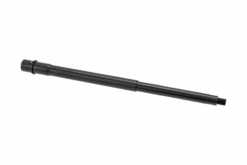
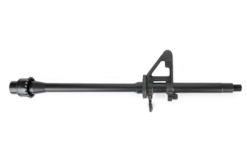
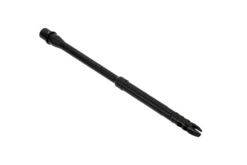
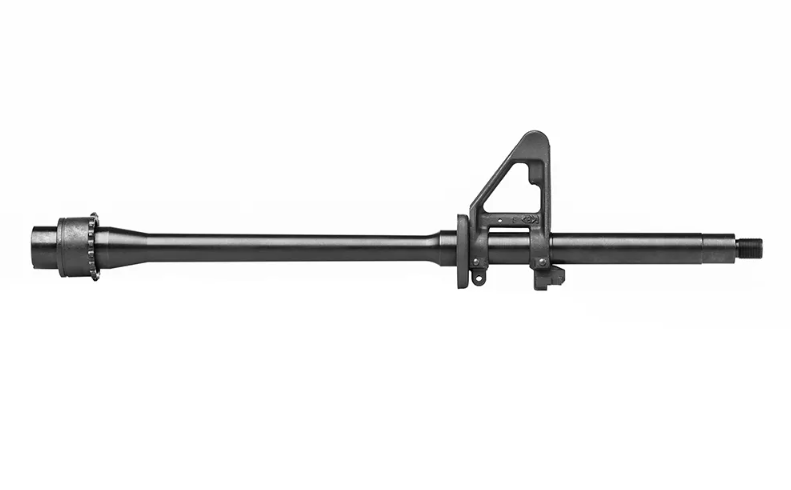
Aero Precision 5.56 Mid-Length AR-15 Barrel – Pinned VG6 Epsilon SL – 14.5″ (16″ OAL)
Aero Precision
FAQ: Common AR-15 Barrel Questions
Choosing the right barrel often comes down to a few key details, and those details can make a big difference in how your rifle performs. Below, we answer some of the most common questions about AR-15 barrels so you can shop with more confidence and build with a clear plan.
What barrel length is best for AR-15 accuracy?
Longer barrels do not automatically make a rifle more accurate, but they can increase velocity and make the rifle steadier for some shooters. A 16-inch barrel works well for most general-purpose builds. A 20-inch barrel often appeals to shooters who want more velocity and a precision-focused setup.
What is the best twist rate for an AR-15 barrel?
A 1:8 twist rate stands out as one of the most versatile options because it handles a wide range of bullet weights well. A 1:7 twist is also very popular, especially for heavier projectiles. Your best choice depends on the ammo you plan to shoot most often.
What is the difference between a chrome-lined and stainless steel AR-15 barrel?
Chrome-lined barrels focus on durability, corrosion resistance, and long service life. Stainless steel barrels usually attract shooters who want strong accuracy and consistency. If you want a hard-use rifle, chrome-lined makes sense. If you want a precision setup, stainless often gets the edge.
What is .223 Wylde, and is it more accurate than 5.56 NATO?
.223 Wylde is a chamber design that allows shooters to run both .223 Remington and 5.56 NATO safely while often delivering strong accuracy potential. Many builders choose it because it balances flexibility and precision well. Accuracy still depends on barrel quality and ammo match.
Does AR-15 barrel profile affect accuracy?
Yes, profile can affect accuracy, especially during long shot strings. Heavier barrels resist heat and flex better, which can help with consistency. Lighter barrels improve handling and reduce fatigue. For most shooters, the best profile is the one that supports the rifle’s job without adding unnecessary weight.
How many rounds does an AR-15 barrel last before losing accuracy?
Barrel life depends on material, firing schedule, maintenance, and ammunition. Many AR-15 barrels last several thousand rounds before shooters notice a meaningful accuracy decline. A hard-use duty barrel and a match barrel may wear differently, so the expected lifespan depends on how you use the rifle.
What are the most accurate AR-15 barrel brands in 2026?
Shooters usually look toward proven makers known for consistent machining, quality control, and strong reputations in precision builds. The exact list can shift with product updates and availability, but the best approach is to compare actual specs, barrel materials, chambering, and user results rather than buying by brand name alone.
Is a cold hammer forged barrel better than a button rifled barrel?
Not always. Cold-hammer-forged barrels often offer high durability and long life, making them attractive to high-volume shooters. Button rifled barrels can deliver excellent accuracy and are common in precision-focused builds. Better depends on your priorities, not just the manufacturing method.
What is a free-float handguard, and how does it improve barrel accuracy?
A free-float handguard does not press directly on the barrel. That helps reduce outside forces that can shift the point of impact. For shooters trying to tighten groups, pairing a quality barrel with a free-float handguard is one of the smartest upgrades you can make.
What is the best AR-15 barrel for a precision build on a budget?
Look for a stainless steel or well-made .223 Wylde barrel from a reputable manufacturer with a proven track record. You do not need the most expensive option on the market. A solid mid-priced barrel with good ammo and proper assembly can deliver excellent performance.
Final Thoughts
The right AR-15 barrel can completely shape how your rifle performs. Barrel length, profile, material, and twist rate all work together to affect accuracy, handling, and long-term durability. When you choose a barrel that matches your build goals, you set the foundation for a rifle that runs better and shoots the way you want it to.
Whether you are putting together a lightweight carbine, a compact pistol build, or a precision-focused setup, investing in a quality barrel is one of the smartest upgrades you can make. If you are ready to improve your build, shop AR-15 barrels at Black Rifle Depot to find top-quality options for every setup and every shooter.
For additional support, check out our Instagram.
