
AR-15 Lower Parts Kits, AR-15 Parts
How to Choose the Right AR Lower Parts Kit for Your Build
Feb
Table of Contents
A lower parts kit installs the controls that make the rifle run. It brings your stripped lower receiver to life. It handles safe operation, feeding, and user input. The kit supports your trigger function and safety selection. It controls magazine retention and bolt locking. It also supports takedown and pivot movement. If you choose a weak kit, problems show up fast. Pins can walk, springs can feel mushy, and controls can bind. A quality kit keeps your lower consistent and predictable. You should choose a kit based on your use. A range rifle needs reliability and clean function. A duty rifle needs extra consistency and durability. You can start simple with a mil-spec style kit. You can also upgrade certain controls for comfort. Either way, the lower parts kit shapes daily handling.
What Is Included in a Standard AR-15 Lower Parts Kit
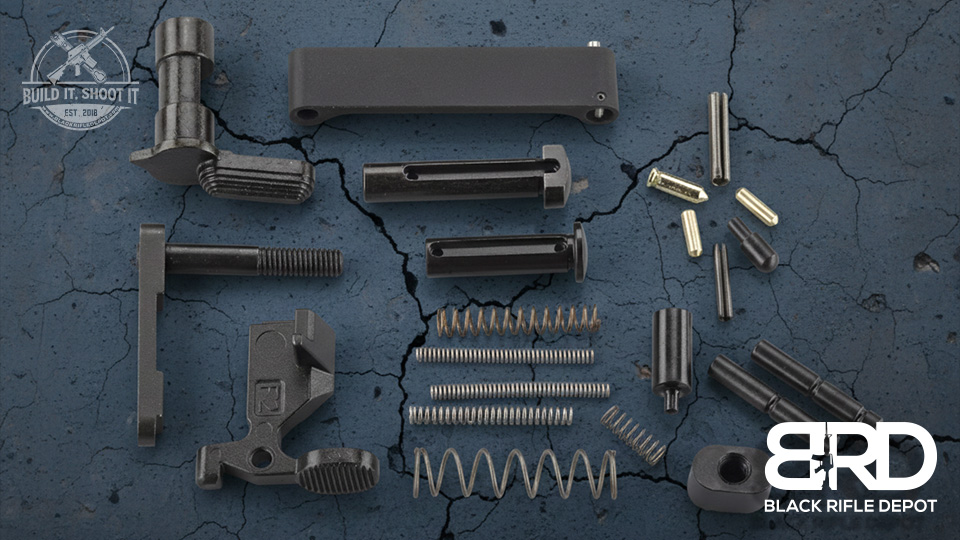
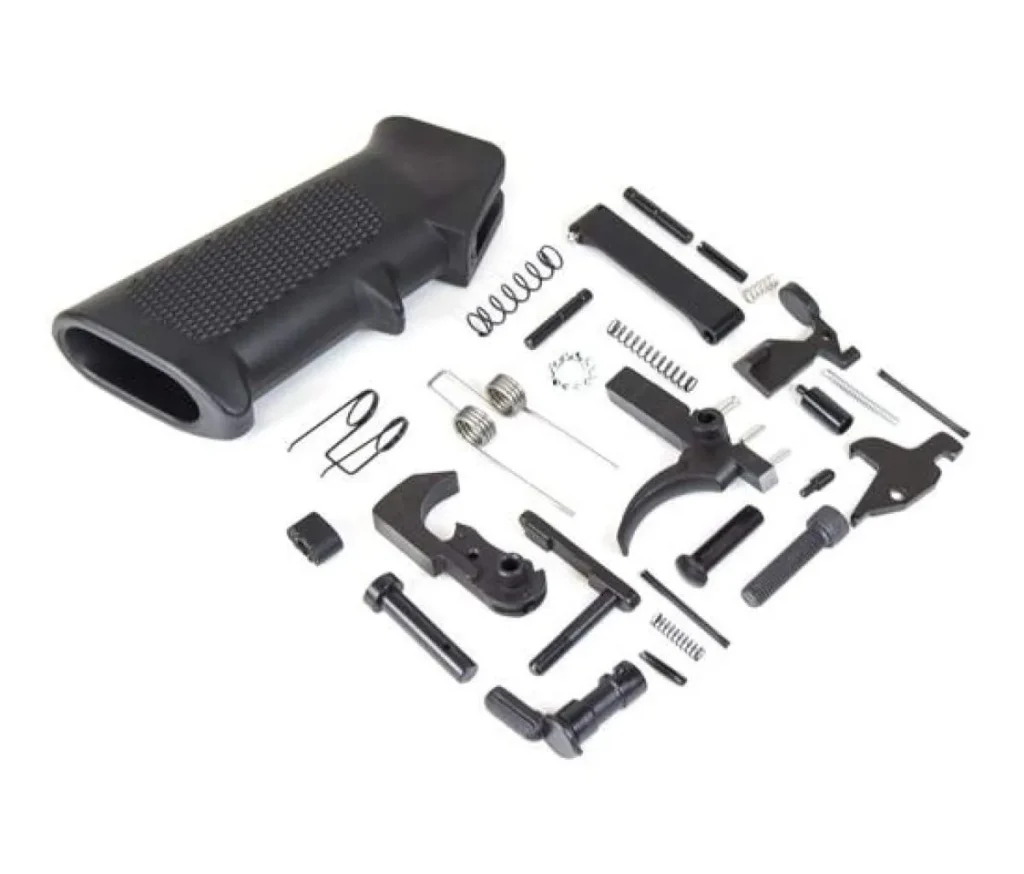
A standard ar15 lower parts kit covers the core small parts. Most kits include pins, springs, detents, and controls. Many kits also include a trigger group. Expect the magazine catch, button, and spring. Expect the bolt catch, plunger, spring, and roll pin. Expect the safety selector, detent, and spring. You also get the takedown and pivot pins. You get their detents and springs as well. You typically get the buffer retainer and spring. Many kits include a mil-spec trigger, hammer, and disconnector. They also include the trigger and hammer springs. Some kits intentionally exclude the fire control group. Grips vary by kit type. Some include a standard grip and screw. Others ship as “no grip” to match your preferred choice. If you want a quick baseline, start here: our AR-15 lower parts kits.
Complete Kits vs Stripped Kits
You will see three common kit styles on the market. They differ by what they include and what they exclude.
Complete lower parts kit
- Includes core pins, springs, detents, and controls.
- Usually includes the trigger, hammer, and disconnector.
- May include a grip, based on the listing.
- Works well for simple builds and first-time installs.
“Minus fire control group” kit
- Includes all lower small parts except trigger components.
- Pairs well with a match trigger or upgraded trigger.
- Prevents duplicate trigger parts in your parts bin.
- Keeps your build plan flexible and upgrade-ready.
“No grip” kit
- Includes lower small parts, but omits the grip and hardware.
- Lets you pick a grip that matches your hand size.
- Avoid paying for a grip you will not use.
- Helps builders who already own a preferred grip.
If you want even fewer decisions, consider a lower build kit. Those kits bundle parts for faster planning and fit.
Mil-Spec vs Upgraded Lower Parts Kits
Mil-spec kits stick to standard dimensions and proven function. They install easily, fit most lowers, and deliver reliable performance. They also keep your build cost under control. Many first-time builders start here because the parts feel familiar and the results stay predictable.
Upgraded kits focus on a better feel and easier handling. They may use enhanced springs, smoother finishes, or improved controls. You should decide what “upgraded” means for your build before you spend more. Some upgrades improve performance on the range. Other upgrades mainly improve comfort and speed.
For example, enhanced takedown pins can make takedowns quicker and less frustrating. Improved safety selectors often feel more positive and easier to operate. An upgraded bolt catch can feel easier during reloads and lockbacks. These changes can help, but only if they match how you plan to use the rifle.
Avoid upgrades that add complexity without real benefit. A simple kit often works best for a first build. Then you can swap parts later after you learn what you like. If you want a safe baseline, start with mil-spec. If you want a smoother rifle, upgrade with a clear purpose.
Trigger Choices Inside a Lower Parts Kit
Decide what you want the rifle to do before you buy parts. This choice keeps your lower parts kit simple and keeps upgrades meaningful.
If you want a range rifle, choose reliability and value first. A standard AR-15 lower parts kit works great for this role. Put extra money into ammo, mags, and practice.
If you want a defensive rifle, choose parts that feel consistent every time. Look for strong springs and dependable small parts. Only choose an upgraded trigger if you trust it fully.
If you want a lightweight build, avoid paying for parts you will replace anyway. A “no grip” kit skips the grip and saves weight and cost. Then choose a grip that fits your hand.
If you want a precision build, make the trigger your main priority. Choose a “minus FCG” kit and add your preferred trigger. After installation, confirm a clean reset and proper safety function.
The best build feels simple and repeatable. Choose parts that match your goal, not trends.


Compatibility Checks Before You Buy
Most AR-15 lowers work with most lower parts kits. Still, a quick compatibility check can save you time and frustration. Start by confirming your lower follows standard AR-15 specs. Most forged lowers do, but some billet lowers use slightly different shapes. Those differences can affect bolt catch fit or pin alignment.
Next, check your safety selector setup. A standard selector works with most kits. Ambidextrous selectors sometimes need specific detents or hardware. Short-throw selectors can also require matching parts. If you plan to run an ambi or short-throw selector, verify the kit supports it.
Then look at your grip plan. Some grips use different screw lengths or hardware. This detail matters most with “no grip” kits. You will need the correct screw and washer for your chosen grip. Always match the grip hardware to the receiver and grip design.
Finally, confirm you are shopping for the right platform. AR-10 parts kits do not fit AR-15 lowers. Pin sizes and control parts often differ by pattern. When you shop by platform, you avoid mismatched parts and delays in building.
Brand and Quality Signals That Matter
Quality shows up in fit and consistency. It also shows up in coatings, spring tension, and the smoothness of the controls’ movement. Look for clean machining with no burrs on small parts. Look for consistent finishes that resist wear and corrosion. Look for springs that hold their shape and deliver steady tension. Look for pins that seat correctly without forcing them.
A trusted brand reduces guesswork during install. Many builders like an Aero Precision lower parts kit for a clean fit and straightforward assembly. Many also choose a BCM-enhanced lower parts kit for heavy use and reliable performance. If you want a proven baseline, consider a CMMG option, such as a CMMG lower parts kit, for a mil-spec approach.
You should also pay attention to what the kit excludes. Some kits purposely exclude the grip and trigger. This setup works well if you already own upgrades. It also prevents you from paying twice for parts you will replace.
Tools and Tips for a Clean Install
The right tools prevent scratches and lost springs. They also make your first build faster and less stressful. Start with roll pin punches and a small hammer. Add a bench block to support the receiver during pin work. Use painter’s tape to protect the lower from slips and dings.
A pivot pin tool helps you install detents cleanly. Those tiny parts can launch across the room in seconds. The tool keeps the detent in check and saves you sanity. Keep a small magnet nearby for finding dropped springs.
Set up your parts before you begin. Lay everything out in the order you will install it. Work in a well-lit area with a clear bench. Move slowly during the bolt catch and pivot pin steps.
Install the trigger group with steady pressure and proper alignment. Check the safety before you finish the build. Confirm the hammer resets correctly and does not follow. Confirm the selector blocks the trigger when on safe. If you want a checklist, our lower parts kit guide is a good place to start.
Match the Kit to Your Build Goal and Budget
Decide what you want the rifle to do before you buy parts. This choice keeps upgrades focused and prevents wasted spending. When you match the lower parts kit to your goal, the whole build feels smoother.
For a range rifle, prioritize reliability and cost control. A standard lower parts kit for an AR-15 gives you everything you need to get it running. Put extra budget into ammo, mags, and range time. Training will improve performance more than most small upgrades.
For a defensive rifle, prioritize consistent controls and proven function. Choose strong springs and dependable small parts that hold up over time. Consider an upgraded trigger only if you trust it completely. You want safe, predictable operation under stress.
For a lightweight build, avoid paying for parts you will replace. A “no grip” kit skips the grip and saves cost. Then choose a grip that fits your hand and shooting style. This approach keeps the build lean and intentional.
For a precision build, focus on the trigger system first. Choose a “minus FCG” kit and add your preferred trigger. After installation, confirm a clean reset and proper safety engagement. The best build feels simple and repeatable, so choose parts that support that goal.
Where to Buy Quality Lower Parts Kits Online
You should buy parts from a shop that supports builders from start to finish. That means clear product details, trusted brands, and fast shipping. Black Rifle Depot makes it easy to choose with organized categories and straightforward listings.
Start by browsing the lower parts kits and comparing what each option includes. You can choose a complete kit for a simple build. You can also choose a kit that skips the grip or trigger if you already have upgrades planned. This approach keeps you from paying twice for parts you will replace.
If you still need components for the rest of the lower, shop by category to stay organized. You can add what you need without guessing or doubling up. If you want fewer decisions, consider a bundled, lower-build kit that groups common parts.
When you match the right kit with a clear plan, the build feels easier. You avoid delays, extra orders, and missing hardware. That saves time, money, and frustration.
Faq’s about AR Lower Parts Kits
What is included in a standard AR-15 lower parts kit?
Most kits include pins, springs, detents, and lower controls. Many kits also include the trigger, hammer, and disconnector.
Do I need a complete or stripped lower parts kit for my build?
Choose complete if you want simple assembly and fast results. Choose “minus FCG” if you will install an upgraded trigger.
Are lower parts kits compatible with all AR-15 lowers?
Most fit standard forged lowers with mil-spec dimensions. Some billet lowers may need specific parts or fittings.
Should I choose a mil-spec or an upgraded lower parts kit?
Mil-spec kits prioritize reliability and standard function. Upgraded kits improve feel through controls, springs, or triggers.
Does a lower parts kit include a trigger assembly?
Many complete kits include a mil-spec trigger group. Some kits exclude it, so read the listing details.
Can I use a lower parts kit for a pistol or rifle build?
Yes, the kit works for either configuration. Your buffer system and barrel length define whether it’s a pistol or a rifle.
What tools do I need to install a lower parts kit?
Use roll pin punches, a small hammer, and a bench block. Add tape, needle-nose pliers, and a pivot pin tool.
Where can I buy quality AR-15 lower parts kits online?
Shop a trusted selection at Black Rifle Depot. With live inventory and quick shipping, Black Rifle Depot is your one-stop shop.
Choose Once, Build Confidently
The right lower parts kit supports reliability and clean handling. You should confirm what the kit includes before buying. You should also decide whether to use mil-spec or upgraded features. Pick complete kits for simple builds and fast assembly. Select “minus FCG” kits when you plan a trigger upgrade. Always confirm compatibility with your lower receiver style.
Check your parts list before you start assembly. That habit prevents missed springs and incorrect pins. Use the right tools to protect the receiver’s finish. Test safety and trigger function before final assembly. Confirm proper reset and safe engagement every time.
When you are ready to buy, Black Rifle Depot makes it easy to compare options in one place. You will find choices for first builds and serious upgrades. Choose quality parts now to avoid troubleshooting later. Build with confidence and finish your lower right.
For additional resources, check out our Rumble Channel.
