
Ammo
Bulk 9mm Ammo
Feb
Table of Contents
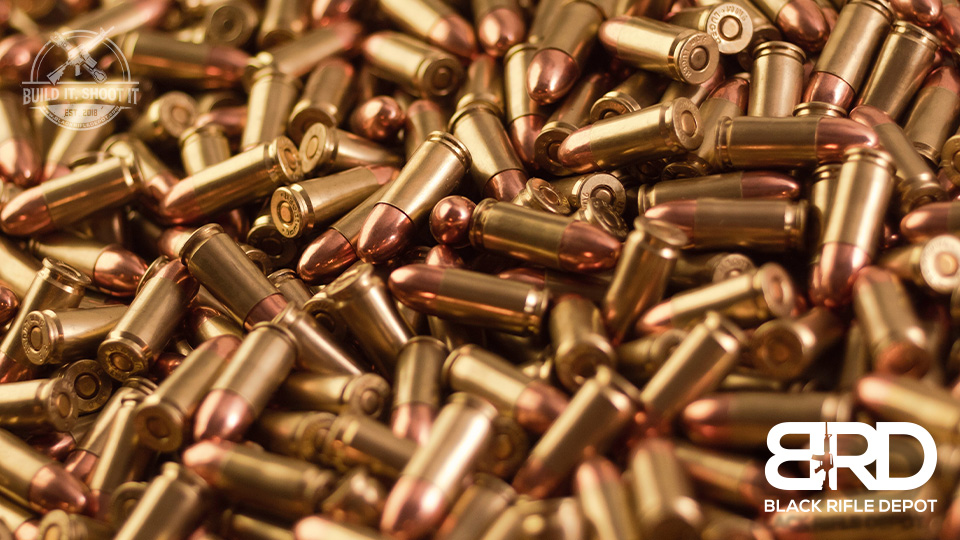
Buying bulk 9mm ammo helps lower your cost per round in most cases. It also keeps your training consistent. You can run the same load for drills and zero checks. You avoid mixing recoil and point-of-impact changes.
Bulk 9mm ammo works best for high-volume shooters. It also helps new shooters who practice often. A case purchase reduces the pressure to shop at the last minute. It also helps you plan classes and matches.
Most bulk options come in FMJ loads. FMJ keeps costs down and feeds reliably. It works well for range practice and drills. You should keep defensive ammo separate and purpose-built.
Look at the total cost, not just the sticker price. Shipping costs can change quickly. Local taxes may apply based on your state. Some states also require extra steps for ammo delivery. Black Rifle Depot lists shipping restrictions by state.
If you want a simple shopping experience, start in one category. Our handgun ammo section lets you compare loads and quantities.
Bulk Packaging Basics and What “1000 Rounds” Really Means
Most shoppers, when buying bulk 9mm ammo, start with the 1000-round box. In reality, “1000 rounds” usually means a case. It often ships as twenty 50-round boxes. Some brands ship loose-pack cases instead.
Case packs help you stay organized during training. They also protect ammo during shipping. You can track lot numbers more easily with boxed cases. That helps if your pistol prefers a certain lot.
If you see the word “bulk pack,” read the description. Bulk packs may use trays or loose packaging. Loose packs can work fine, but they can arrive scuffed. That does not always affect performance.
For most shooters, 1,000 rounds hit a sweet spot. It lasts multiple trips across the range without overbuying. It also brings better pricing than small boxes. Many retailers market cases as a better value per round.
If you want to buy bigger, plan your storage first. Ammo lasts a long time when stored correctly. Dry storage matters more than temperature swings. You can use ammo cans and desiccant packs for long-term storage.
Choose the Right Load for Your Range Goals
Start with bullet type and weight. Most range ammo uses FMJ bullets. FMJ reduces cost and keeps feeding smoothly. It also reduces lead exposure compared to bare lead.
The three common weights are 115, 124, and 147 grains. 115 grain usually feels snappy and fast. 124 grain often feels balanced in many pistols. 147 grain often feels softer and slower.
If you shoot compact pistols, test 124-grain first. Many shooters like its recoil balance. CCI Blazer Brass 124gr remains a common training pick.
If you want Bulk 9mm Ammo in subsonic, look for 147-grain loads. Subsonic loads help when you shoot suppressed. They can also feel smoother in some PCC setups. Not every gun cycles every subsonic load, though. Test before you stock deep.
If you want consistent matches, focus on standard-pressure loads. Avoid “hot” loads unless you need them. Most training does not require +P ammo. Always follow your firearm manual for approved loads.
Top Bulk 9mm Ammo Picks in Black Rifle Depot’s Handgun Ammo Category
We stock several proven training loads in our handgun ammo category. These options cover common training needs and budgets. Here are a few standouts shoppers often compare.
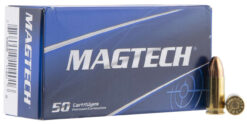
Magtech 9mm 115gr FMJ – 1,000 rounds
This case targets range days and frequent practice. It uses FMJ bullets and brass cases for reliable feeding. It also works well for shooters who reload.
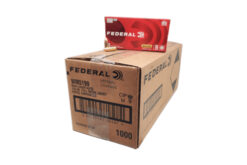
Federal Champion 9mm 115gr FMJ – 1,000 rounds
This case aims at an economical, high-volume practice. It suits training, plinking, and general range use. Availability can change quickly, so watch the stock status.
CCI Blazer Brass 9mm 124gr FMJ – 50-round boxes
This load gives many shooters a balanced recoil feel. It works well for drills and repeated range sessions. If you like it, buy more boxes at once.
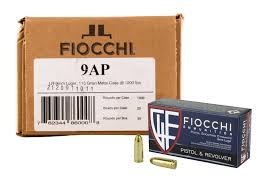
Fiocchi 9mm 115gr FMJ – 50-round boxes
This option offers reliable primers and reloadable brass. It supports practice sessions without jumping to case buys. It also helps you test your pistol first.
If you want bulk value, start with cases. If you want to test first, start with a few boxes. Then scale up once your gun runs it cleanly.

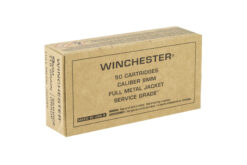
How to Spot “9mm Ammo Brands to Avoid” Without Guesswork
You do not need a blacklist to shop smart. You need red flags and a simple checklist. These checks protect your gun and your budget.
Avoid listings with unclear specs. You should see the bullet weight and the bullet type. You should see case material and caliber naming. You should also see the quantity per box or case.
Be cautious with extremely cheap pricing. It can signal inconsistent quality control. It can also signal old stock with an unknown storage history. Cheap ammo can still work, but the risk increases.
Watch for mixed-lot “grab bag” deals. Mixing lots can change recoil and reliability. That can hurt training consistency. Consistent lots help you track performance.
Use reputable brands with published specs. Brands like Federal, Magtech, Fiocchi, and CCI list clear details. Their products also appear frequently in training guides.
Finally, confirm your range rules. Some ranges ban steel-cased or steel-core ammo. Some ban certain bullet types indoors. Check before you buy a case.
Deals, Sales, and Timing Your Bulk Buy
Ammo pricing moves with supply and demand. Sales can appear without much warning. You can still shop smarter with a few habits.
First, decide your “buy price” target. Use cost per round as your metric. Compare across shipping and taxes, too. Low CPR can disappear after fees are added.
Second, buy in cycles that match your shooting pace. If you shoot monthly, a case may last months. If you shoot weekly, cases vanish quickly. Plan around classes and match seasons.
Third, separate training ammo from defensive ammo. Bulk FMJ supports repetitions and drills. Defensive ammo supports carry and home defense. Most bulk deals focus on FMJ.
When you see 9mm ammo on sale, confirm it fits your needs. Check bullet weight and reliability expectations. If you shoot dots, confirm accuracy is acceptable. If you shoot PCC, confirm cycling and feeding.
Black Rifle Depot also posts buying and storage tips in our Learning Center. Our bulk ammo guide covers storage and value strategies.
Storage: Ammo Cans, Moisture, and Long-Term Reliability
Proper storage keeps ammo reliable for years. Moisture is the main enemy. Heat swings matter less than humidity. Keep ammo cool, dry, and sealed.
Ammo cans help a lot when used correctly. Use a gasket-sealed can when possible. Add a desiccant pack inside the can. Label the can with caliber and purchase date.
Avoid storing ammo on bare concrete floors. Concrete can wick moisture in humid areas. Use shelves or plastic bins for separation. Keep ammo away from solvents and oils.
If you buy bulk 9mm ammo, split it into smaller containers. That reduces repeated exposure to open air. It also helps with range-day packing. You can grab a can and go.
Black Rifle Depot carries storage solutions in our shooting supplies section. You can find cases and storage options for organizing ammo.
Always follow safe storage practices around children. Use locked storage when appropriate. Follow your local laws for ammo storage requirements.
Cross-Training Note: Why Some Shooters Buy 7.62x39mm Too
Many shooters run more than one platform. They train with a pistol and a rifle. That often means buying multiple calibers in bulk. You may see shoppers pair 9mm cases with rifle ammo.
If you shoot AK platforms, 7.62x39mm ammo often sits on the list. Some buyers also look for bulk 7.62x39mm ammunition when prices drop. Others buy it before the match season.
Do not store different calibers together. Label everything clearly. Store rifle and handgun ammo in separate cans. That reduces loading mistakes at the range.
Also, follow state rules for ammo shipments. Some states require ID checks or special processes. Black Rifle Depot outlines many location-based restrictions.
If you want one checkout and one shipment, shop both categories together. That simplifies planning and storage. It also keeps your training calendar smoother.
FAQ’s about buying bulk 9mm ammo
Is buying bulk 9mm ammo cheaper than buying small boxes?
Usually, yes. Bulk buys often lower the cost per round. You also save time and reduce repeat shipping.
What is a good choice for a 9mm ammo 1000 rounds purchase?
Most shooters start with brass-cased FMJ for training. Magtech 115gr FMJ and Federal Champion 115gr FMJ are common case options.
What does “bulk 9mm ammo subsonic” mean?
It usually means heavier 147-grain loads that stay below the sound barrier. Shooters often choose it for suppressed use. Test for cycling before buying deep.
How do I avoid bad ammo without naming “brands to avoid”?
Look for clear specs, consistent lots, and reputable sellers. Avoid vague listings and extreme bargain pricing. Buy a small test batch first.
Can I store bulk 9mm ammo in an ammo can?
Yes, if you keep it dry and sealed. Add desiccant and use shelves to keep ammo dry.
Why does ammo shipping vary by state?
States and cities apply different rules for ammo delivery. Some require extra verification or restrict shipments. Always check restrictions before ordering.
Buy Smart, Train More, Stress Less
Buying Bulk 9mm ammo helps you train more often with fewer surprises. Start by choosing a reliable FMJ load for practice. Pick a bullet weight that feels best in your gun. Test a few boxes before you commit to a case.
When you are ready, step up to a 1,000-round case. Focus on clear specs and trusted manufacturers. Store your ammo in sealed containers with moisture control. Keep lots organized and labeled.
If you want to stock up today, browse our Handgun Ammo category at Black Rifle Depot. You can compare 9mm options, case packs, and in-stock listings. Build your stash the smart way, then get back to the range.
For additional resources, follow us on X/Twitter.
