
AR-15 Optics
How to Choose the Right AR-15 Scope for Your Shooting Needs
Feb
Table of Contents
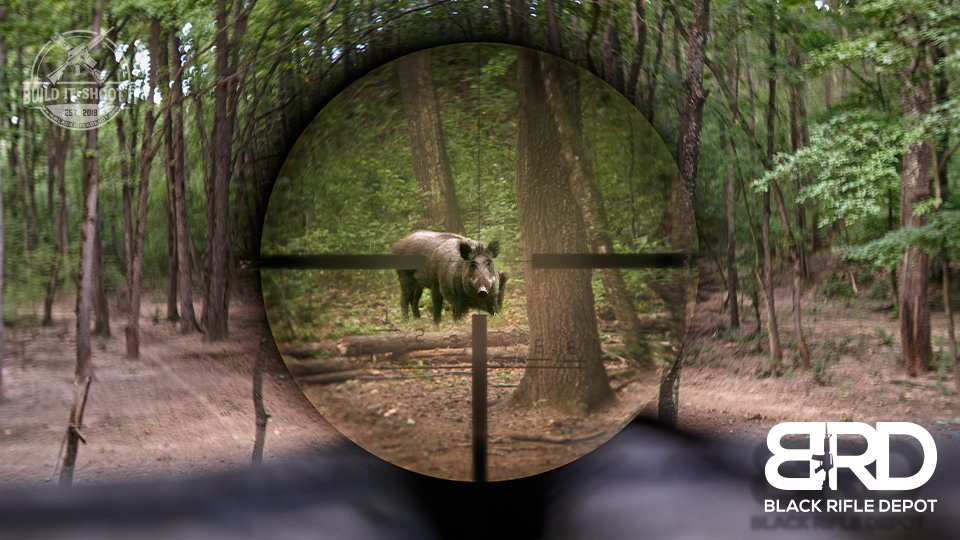
Choosing the best AR-15 scopes can dramatically improve rifle performance. A properly selected optic enhances long-range accuracy, rapid target acquisition, and shooter confidence. Many enthusiasts struggle because they purchase AR-15 scopes without first evaluating their specific tactical needs or mounting requirements. This guide explains how to choose the right AR-15 scopes based on magnification, reticle type, and real-world ballistic use cases. By the end, you will know how to select a high-performance optic that perfectly matches your shooting style and rifle setup.
Understanding Your AR-15 Shooting Needs
Every AR-15 build starts with a purpose. The way you plan to use your rifle should guide your choice of optic. A home defense rifle requires speed and simplicity. A range rifle benefits from flexibility and precision. Hunting and competition setups demand clarity and repeatability.
Distance plays a major role. Most AR-15 rifles are used within 300 yards. That fact eliminates the need for extreme magnification. Choosing too much scope slows handling and adds weight. Choosing too few limits confidence at a distance.
The environment also matters. Indoor shooting favors wide fields of view. Outdoor ranges require better glass quality. Low-light conditions benefit from illuminated reticles. Each factor shapes what makes the best scope for an AR-15.
A scoped AR-15 should feel balanced. The optic should support the rifle, not dominate it. Shooters often ask what is a good scope for an AR-15. The correct answer depends on how the rifle is actually used. Define the mission first. Everything else follows.
Choosing the Right Magnification for an AR-15
Magnification determines how well you engage targets at distance. Most AR-15 rifles perform best with low to mid magnification. This range supports speed while maintaining accuracy.
Low magnification excels at close range. A 1x or 1–4x scope allows fast target acquisition. These optics keep both eyes open and improve situational awareness. They work well for training and defense.
Mid-range magnification adds versatility. A 1–6x or 1–8x optic handles multiple distances easily. Many shooters consider this the best AR-15 scope setup. It balances speed, clarity, and reach.
Higher magnification scopes serve specific roles. A 3–9x or higher optic fits precision-focused rifles. These setups work for longer-range shooting but reduce speed. They also add weight and bulk.
Avoid chasing magnification numbers. Clear glass and usable reticles matter more. The best scope for an AR-15 fits realistic distances and shooting conditions. Most shooters find moderate magnification covers nearly every scenario.
Reticle Types and What Works Best on an AR-15
Reticles guide your eye and control shot placement. The right reticle improves accuracy without slowing you down. Many shooters overlook this feature.
Simple reticles remain the most effective. Basic crosshairs or duplex designs stay clean and fast. They reduce clutter and improve focus. These reticles are suitable for most scoped AR-15 builds.
BDC reticles help with bullet drop compensation. They work well with common 5.56 ammunition. These reticles allow faster holds at distance. They are useful for range shooting and training.
Illuminated reticles improve visibility. They help in low-light conditions and dark backgrounds. Illumination supports home defense and dusk shooting. It should remain adjustable without overpowering the sight picture.
Advanced reticles offer precision tools. Mil-based reticles allow precise holds. These designs suit experienced shooters. They require knowledge of ballistics and ranging.
When asking what reticle is best for AR-15 shooting, simplicity usually wins. Choose a reticle that matches your experience level. A usable reticle builds confidence and consistency.

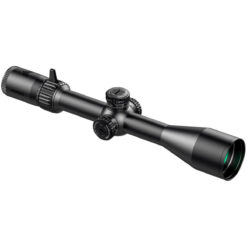
Primary Arms SLx 1-6x24mm SFP Rifle Scope Gen IV – Illuminated ACSS Nova Fiber Wire Reticle
Primary Arms
AR-15 Scope Mounts and Proper Installation
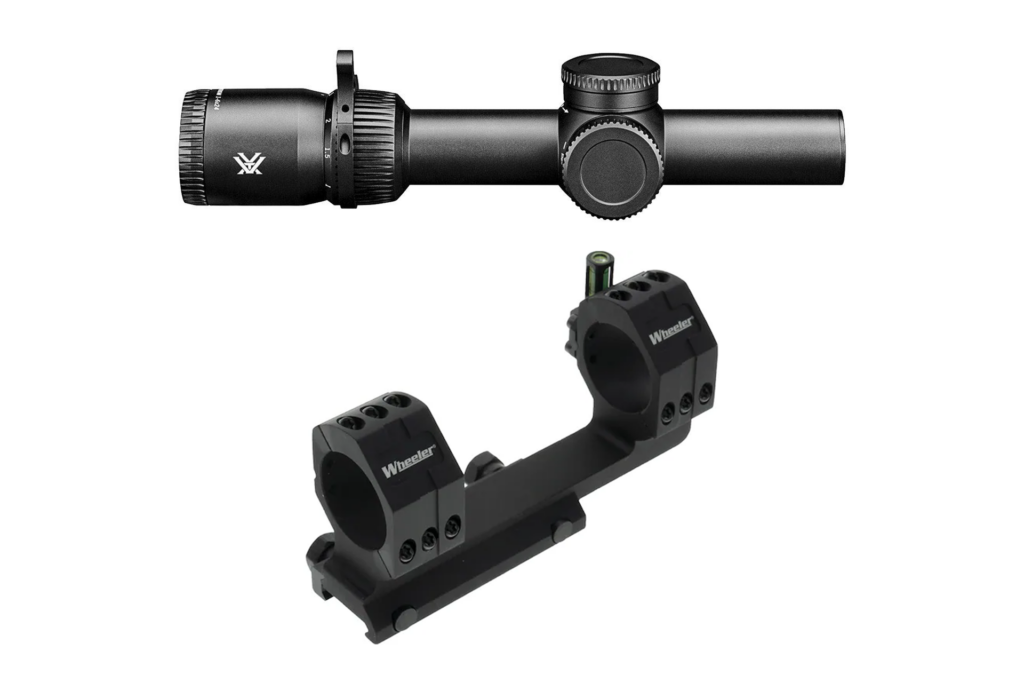
A quality mount matters as much as the optic itself. Poor mounting causes zero shift and frustration. Proper AR-15 scope mounts ensure reliability.
Cantilever mounts dominate AR-15 setups. They push the optic forward for correct eye relief. This design works well with flat-top receivers. It also supports modern shooting stances.
Mount height affects comfort. Most AR-15 scopes sit between 1.4 and 1.5 inches high. This height aligns naturally with the stock. It improves head position during rapid shooting.
Single-piece mounts simplify installation. They reduce alignment issues and torque errors. Many shooters prefer them over traditional rings. Consistency matters more than flexibility.
Learning how to mount a scope on an AR-15 prevents future problems. Follow torque specifications carefully. Level the reticle correctly. Secure fasteners evenly.
A solid mount protects your investment. It keeps zero under recoil and movement. Proper installation turns a good scope into a dependable system.
Matching Scope Types to Common AR-15 Use Cases
Different shooting roles require different optics. Matching the scope to the use case improves effectiveness.
Home defense rifles favor speed. Red dots or low-power optics work best. Lightweight designs improve handling indoors. Simplicity matters under stress.
Range and training rifles benefit from versatility. LPVOs remain popular for this reason. They offer speed, up close, and precision at a distance. Many shooters consider them the best AR-15 scope option.
Hunting setups require clarity and precision. Traditional scopes with moderate magnification work well. Many shooters ask if they can use a hunting scope on an AR-15. The answer is yes with proper mounting.
Competition rifles prioritize transitions. An AR-15 scope-red dot combo offers flexibility. This setup balances speed and adaptability.
When choosing the best scope for an AR-15, think realistically. Match the optic to your most common shooting scenario. This approach delivers better results.
Frequently Asked Questions About AR-15 Scopes
What scope is best for an AR-15?
The best scope depends on your use case. LPVOs work well for most shooters.
What magnification do I need for an AR-15?
Most shooters stay between 1x and 6x. This range covers realistic distances.
Is an LPVO good for an AR-15?
Yes, LPVOs balance speed and precision. They work for range and defense use.
What’s the best AR-15 scope for close range?
Red dots or true 1x optics perform best. They allow fast target acquisition.
What reticle is best for AR-15 shooting?
Simple or BDC reticles work best for most shooters. They remain easy to use.
Can you use a hunting scope on an AR-15?
Yes, hunting scopes work with proper mounting and eye relief.
What scope works best for AR-15 home defense?
Low-power optics with illumination work best. Speed and clarity matter most.
Where can I buy AR-15 scopes online?
Trusted retailers with fast shipping and support offer the best experience.
Conclusion: Build Your AR-15 with Confidence
Choosing the right AR-15 scopes improves accuracy, handling, and long-range confidence. When selecting your glass, focus on realistic engagement distances, usable magnification ranges, and simple reticles that don’t clutter your field of view. Furthermore, utilizing high-quality, proper mounting solutions ensures long-term reliability and shot-to-shot consistency in the field.
To get the most out of your rifle, explore Black Rifle Depot’s AR-15 Rifle Scopes to find optics and accessories that meet your specific shooting needs and enhance your confidence.
For additional support, check out our Rumble Page.
