
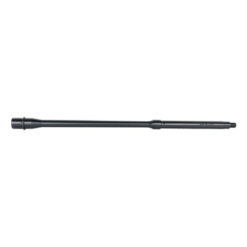


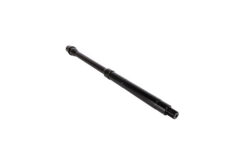
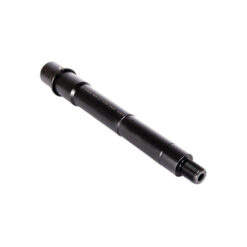
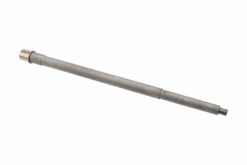
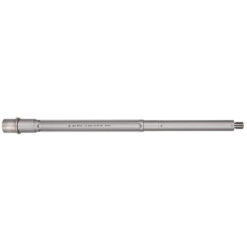
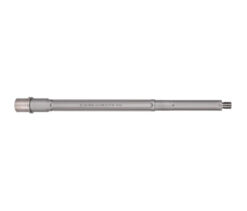
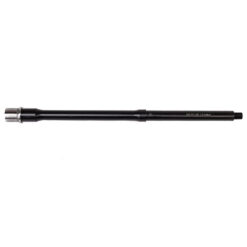

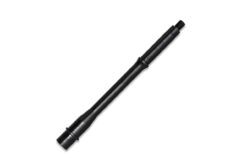

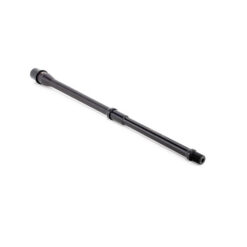
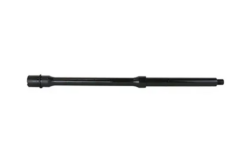
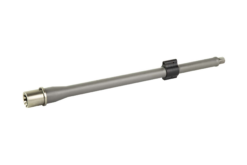
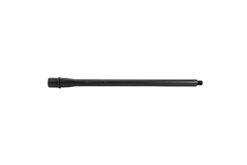
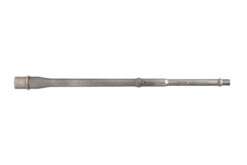
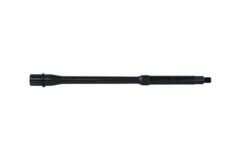

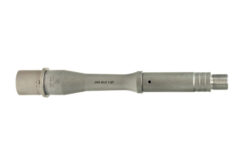
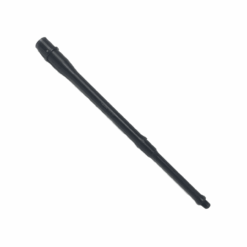
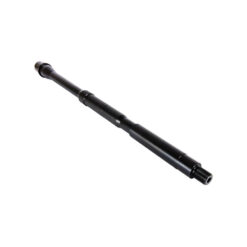
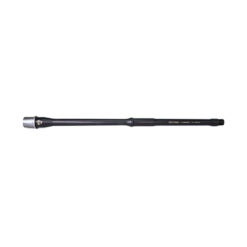
Understanding AR-15 Barrel Types
There are many AR-15 barrel types, each optimized for different purposes. Factors such as barrel length, gas system, twist rate, and material all influence performance. Shorter barrels favor maneuverability, while longer barrels maximize velocity and effective range.
Popular options include compact choices like a 10.5-inch AR-15 barrel for pistol or SBR-style builds, as well as longer configurations such as a 20-inch AR-15 barrel, which excels in velocity, accuracy, and traditional rifle setups. Understanding how barrel length affects performance helps narrow down the best option for your needs.
Barrel Lengths and Choosing the Right Option
Barrel length plays a major role in how an AR-15 handles and performs. Short barrels offer lightweight handling and compact size, while longer barrels provide improved ballistic performance and smoother recoil impulse.
Builders should also consider compatibility with gas systems, handguard length, and muzzle devices when selecting a barrel. Whether you’re building a short configuration or a full-length rifle, choosing from premium AR-15 barrels ensures durability, consistency, and long-term reliability.
AR-15 Barrel Components and Installation
In addition to the barrel itself, related components matter as well. Items like a barrel extension for AR-15 platforms are critical for proper bolt lockup and headspacing. Builders may also use tools such as an AR-15 barrel vise block to ensure safe and secure installation.
A complete AR-15 barrel assembly typically includes the barrel, extension, and gas port configuration, but installation still requires proper torque and alignment. Knowing how to install an AR-15 barrel correctly helps avoid accuracy issues, cycling problems, and premature wear.
Accessories and Barrel Protection
Many shooters enhance comfort and durability with accessories like an AR-15 barrel cover for heat protection or an AR-15 barrel grip when configuring specialized setups. While not required, these additions can improve handling during extended shooting sessions or training environments.
Built for Builders, Backed by Quality
This category is designed to compete with top AR manufacturers by offering dependable options for every build type. Whether you’re upgrading a worn barrel or starting fresh, you’ll find high-quality AR-15 barrels engineered for precision and longevity.
Browse our full selection of AR-15 barrels for sale and choose the ideal option for your next build—delivered fast and ready for assembly.
AR-15 Barrel FAQs
What is the shortest barrel allowed on an AR-15?
Under federal law, a rifle must have a barrel length of at least 16 inches unless it is registered as a Short-Barreled Rifle (SBR). Pistols follow different rules.
Is a 10-inch barrel legal on an AR-15?
A 10-inch barrel is legal only on an AR-15 pistol or a properly registered SBR. Installing it on a rifle without a registration is illegal.
What is the shortest barrel length for an AR-15?
There is no federal minimum barrel length for AR-15 pistols, but state laws may impose restrictions.
Can I put a 10.5 barrel on my AR-15?
Yes, but only if the firearm is configured as a pistol or registered as an SBR. Always verify local and state laws.
How long does an AR-15 barrel have to be?
For a rifle, the barrel must be at least 16 inches unless legally registered otherwise.
How do you measure AR-15 barrel length?
Barrel length is measured from the closed bolt face to the end of the barrel, excluding removable muzzle devices.
Are AR-15 barrel nuts reverse threaded?
No, AR-15 barrel nuts use standard right-hand threads.
Can you put a short barrel on an AR-15?
Yes, but only in compliant configurations such as pistols or registered SBRs, depending on applicable laws.