
AR-15 Parts
AR-15 Parts: Why Customization Is About Trade-Offs, Not Just Upgrades
May
Table of Contents
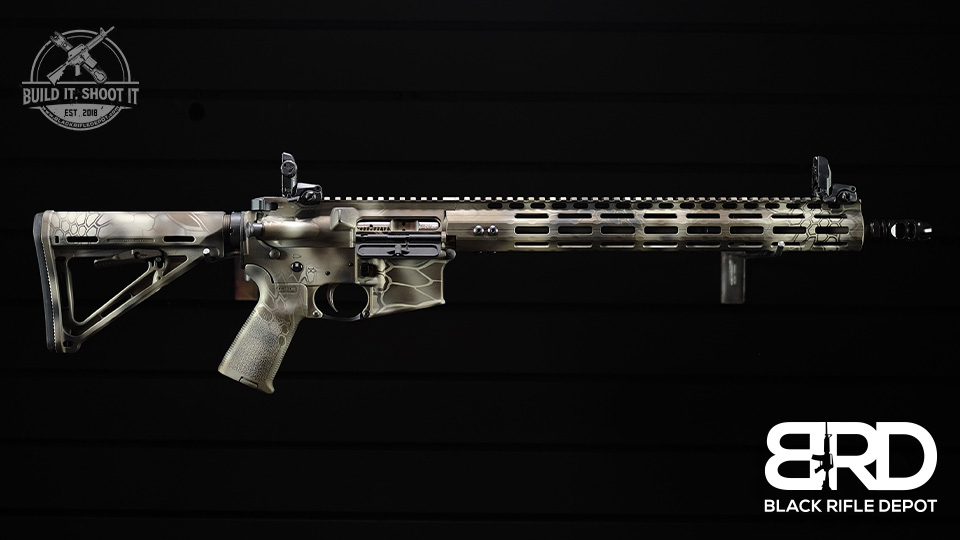
Upgrading an AR-15 can feel like a simple checklist. Add a new handguard, swap the grip, upgrade the trigger, change the stock, and install a few accessories. But a better rifle does not come from adding more parts. It comes from choosing the right parts for the right reasons.
In this guide, we will look at AR-15 parts through the lens of trade-offs. We will cover weight vs. durability, speed vs. reliability, ergonomics vs. universal compatibility, and why “more upgrades” does not always mean “better rifle.” The goal is to help you build smarter, not just buy more.
AR-15 Parts Should Match the Rifle’s Purpose
Every good AR-15 build starts with purpose. Before choosing new AR-15 parts, ask what you want the rifle to do better. Do you want it lighter? More durable? Faster to handle? Easier to control? More comfortable during long-range sessions?
That question matters because every upgrade changes the rifle. A longer handguard gives you more grip space and room for accessories, but it can add weight. A lighter stock may improve handling, but it may not balance well with a heavier barrel. A new trigger may improve consistency, but it should still fit how you use the rifle.
A range rifle, defensive rifle, hunting rifle, and training rifle all need different setups. Building around purpose helps you avoid random upgrades that look good but do not improve performance.
The best AR-15 parts solve a real problem. They should improve function, comfort, reliability, or control. When a part does not clearly support the rifle’s purpose, it may not belong on the build.
Weight vs Durability
Weight is one of the biggest trade-offs in AR-15 customization. A lighter rifle feels quicker, carries more easily, and causes less fatigue during longer-range days. Lightweight handguards, stocks, barrels, and accessories can make a noticeable difference in how the rifle handles.
But lighter does not always mean better. Some lightweight parts give up strength, heat resistance, or long-term durability. A slim handguard may feel great in the hand, but a heavier rail may handle hard use, mounted accessories, and impact better.
Durability matters if your rifle sees frequent training, rough handling, or heavy accessory use. If you mount a light, sling, bipod, grip, or optic, you need parts that stay secure and hold up over time.
The right choice depends on your use case. A lightweight range build may benefit from shaving ounces. A hard-use AR-15 may need stronger components, even if they add weight. Smart customization means choosing the weight you can live with and the durability your rifle actually needs.
Speed vs Reliability
Many upgrades promise a faster rifle. Lighter triggers, extended controls, tuned gas systems, upgraded buffers, muzzle devices, and improved charging handles can all make an AR-15 feel more responsive.
Speed matters, but reliability matters more. A rifle that runs consistently gives you confidence. A rifle that performs well only under perfect conditions can cause problems when ammo, weather, fouling, or shooting position changes occur.
For example, a tuned gas system can reduce recoil and help the rifle shoot flatter. But if you tune it too tightly, the rifle may become more sensitive to different ammunition. A lightweight trigger may help with precision, but it may not suit every rifle role. An aggressive muzzle device may improve control, but it can increase blast and noise.
The best AR-15 parts improve performance without making the rifle overly picky. Speed-focused upgrades should work with the entire system, including the barrel, gas system, buffer, spring, ammunition, and maintenance routine.
Ergonomics vs Universal Compatibility
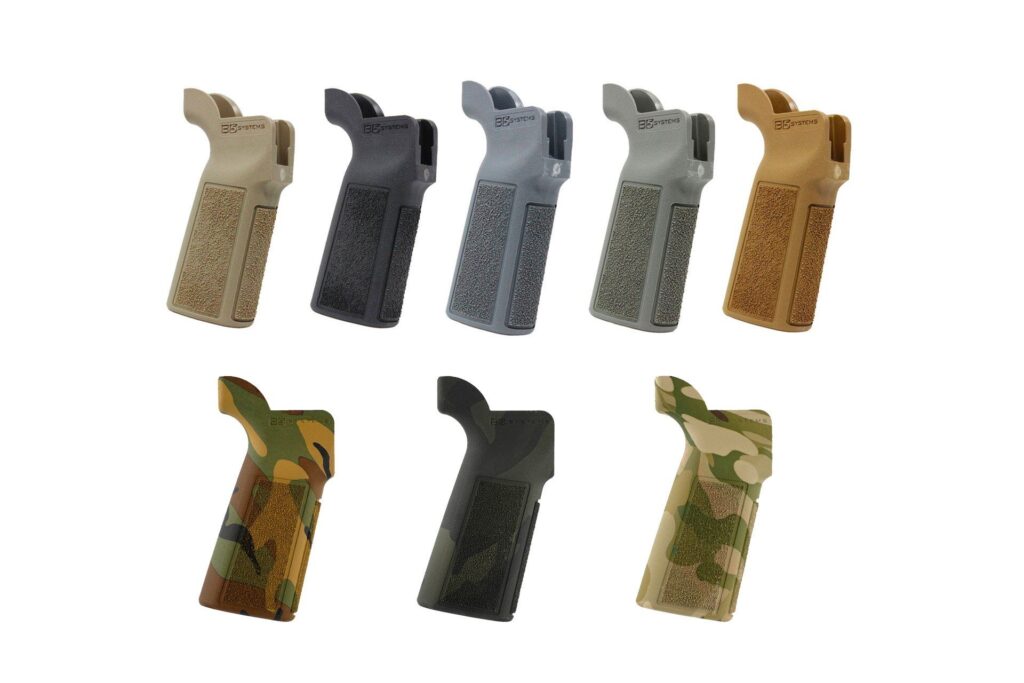
Ergonomic upgrades can make an AR-15 feel more natural and easier to control. Grips, stocks, handguards, safety selectors, magazine releases, and charging handles all affect how the rifle fits the shooter.
A better grip angle can improve wrist position. An adjustable stock can improve the length of pull. A wider charging handle can make manipulation easier. A slim handguard can give your support hand a more comfortable grip.
The trade-off is compatibility. A part that feels perfect for one shooter may not work as well for another. Extended controls may help some shooters, but they can get in the way for others. A tall optic mount may feel fast and comfortable for one setup, but awkward on another.
This matters most when multiple people use the same rifle. A highly personalized rifle can work extremely well for its owner, but it may lose some universal comfort and familiarity.
Good AR-15 customization improves control without making the rifle harder to use. Choose ergonomic parts that fit your body, your shooting style, and your rifle’s purpose.
More Upgrades Do Not Always Mean a Better Rifle
It is easy to believe that more upgrades automatically make an AR-15 better. In reality, too many parts can make a rifle heavier, more complex, and less balanced.
Every accessory adds something. A light adds capability. A grip changes control. A rail cover improves comfort. A sling mount adds utility. An optic improves aiming. But together, those parts also add weight and change how the rifle handles.
Internal upgrades can create the same issue. If you replace too many parts at once, you make it harder to diagnose problems. If the rifle starts malfunctioning, you may not know which part caused the issue.
A clean rifle with carefully chosen AR-15 parts often performs better than a rifle loaded with unnecessary upgrades. Smart builders do not ask, “What else can I add?” They ask, “What does this rifle actually need?”
The best upgrades should make the rifle more useful, not just more complicated.

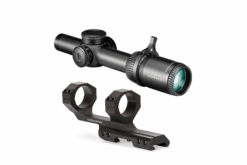
Factory Rifle vs Custom AR-15 Build
Factory AR-15 rifles offer simplicity. You get a complete rifle built to work as a system. That makes sense for shooters who want a ready-to-use setup without having to choose every component.
Custom AR-15 builds offer control. You can choose the barrel, handguard, stock, trigger, grip, muzzle device, optic setup, and small parts based on your needs. This gives you more freedom to build around weight, comfort, accuracy, or a specific shooting role.
The trade-off is responsibility. When you customize, you become the one making the engineering decisions. You decide how much weight to add, how much durability you need, and how specialized the rifle should become.
That is why AR-15 customization should not feel like a shopping spree. It should feel like building a system. Each part should support the rifle’s purpose and work with the rest of the build.
How to Choose AR-15 Parts With Confidence
A smart build starts with a simple plan. First, define the rifle’s purpose. Then decide what needs improvement. After that, choose AR-15 parts that solve those problems without creating bigger ones.
If your rifle feels too heavy, look at the handguard, stock, barrel profile, and accessories. If it feels slow, review your optic setup, controls, sling placement, and overall balance. If it feels uncomfortable, focus on the grip, stock, handguard, and control layout.
Avoid changing too much at once. Upgrade in stages when possible. That approach helps you feel what each part actually does and makes troubleshooting easier.
You do not need every upgrade available. You need the right combination of parts that support your rifle and your shooting style.
FAQ: AR-15 Parts and Customization
Choosing AR-15 parts becomes easier when you think in terms of trade-offs instead of trends. These quick answers can help you make smarter decisions before upgrading or building your next rifle.
What AR-15 parts should I upgrade first?
Start with AR-15 parts that improve fit, control, and reliability. Many shooters begin with the stock, grip, handguard, trigger, charging handle, or optic setup, depending on how they use the rifle.
Do more AR-15 upgrades make a rifle better?
No. More upgrades do not automatically make a rifle better. The best upgrades solve specific problems. Too many unnecessary parts can add weight, complexity, and cost without improving performance.
Are lightweight AR-15 parts worth it?
Lightweight AR-15 parts can be worth it if you want a rifle that carries easier and handles faster. Just make sure you do not sacrifice the durability needed for your intended use.
Should I build a custom AR-15 or buy a factory rifle?
Buy a factory rifle if you want simplicity and a ready-to-use setup. Build or customize an AR-15 if you want more control over parts, weight, ergonomics, and performance.
What makes the best AR-15 parts?
The best AR-15 parts fit your rifle, support your shooting goals, and work reliably with the rest of your setup. A part should clearly improve function, comfort, reliability, or performance.
Conclusion: Build Your AR-15 With Purpose
The best AR-15 parts are not always the newest, lightest, or most expensive. They are the parts that make sense for your rifle and your goals. Every upgrade creates a trade-off. Lighter parts may improve handling but reduce durability. Speed-focused parts may improve performance but require careful reliability checks. Ergonomic parts may improve comfort but reduce universal fit.
More upgrades do not automatically make a rifle better. A better rifle comes from smart decisions, balanced parts, and a clear purpose.
Ready to build with purpose? Shop AR-15 parts and AR-15 parts kits at Black Rifle Depot and choose upgrades that match your rifle, your shooting style, and your goals.
For additional support, check out our Rumble channel.
