
AR-15 Parts, AR-15 Gas System
AR-15 Gas System: AR-15 Parts Most Builders Get Wrong
Jul
Table of Contents
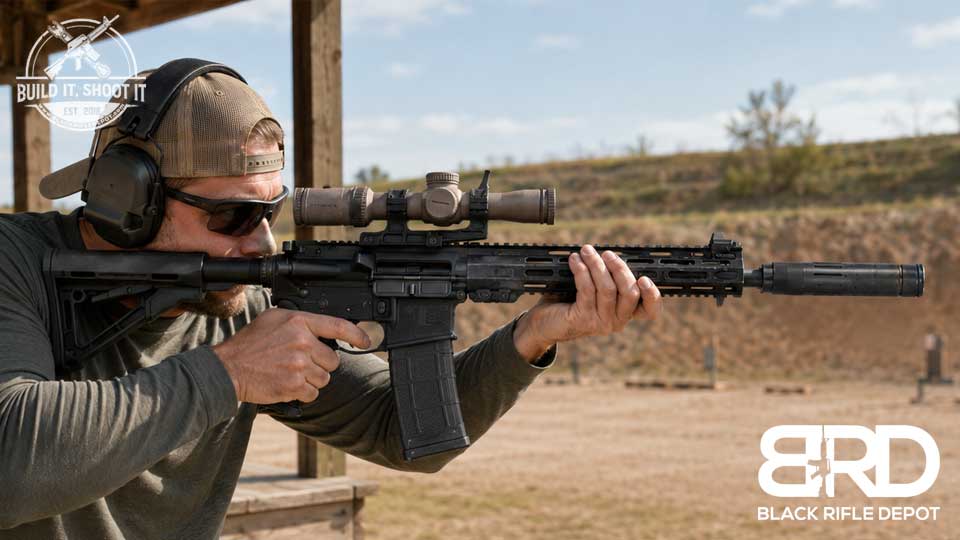
When people talk about AR-15 parts, they usually focus on barrels, triggers, handguards, stocks, and optics. Those parts matter, but the gas system is one of the most important areas of the rifle and one of the easiest to get wrong. The gas block, gas tube, barrel gas port, buffer system, and bolt carrier group all work together to control cycling, recoil feel, reliability, and long-term performance.
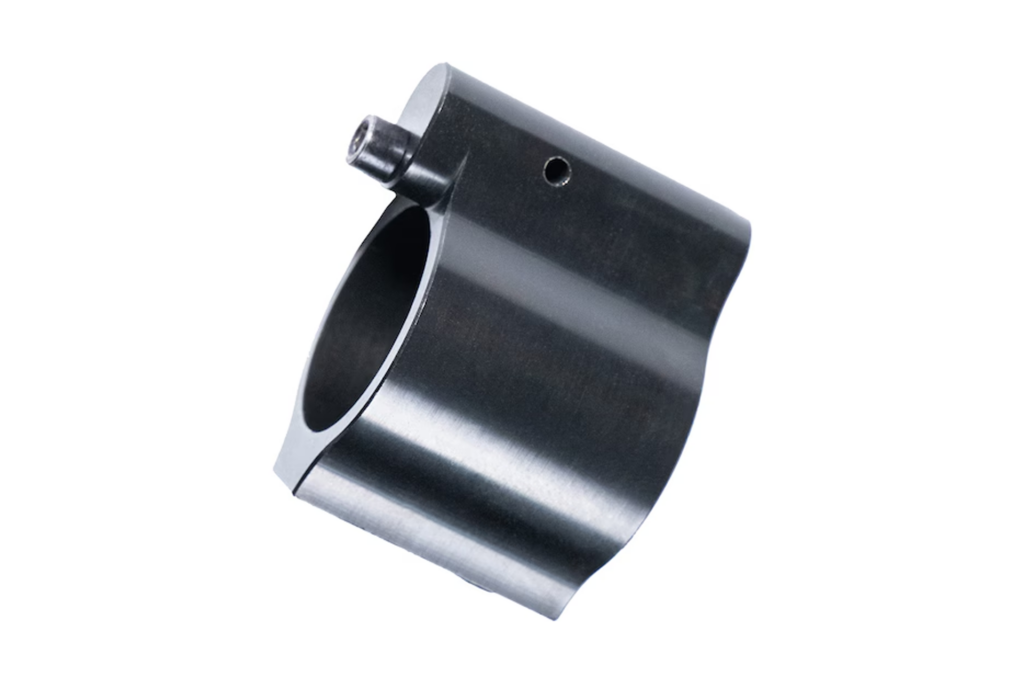
For new builders, understanding the gas system is a major part of understanding an AR-15. A rifle can have premium furniture, a quality barrel, and a clean trigger, but if the gas system is mismatched, loose, blocked, or improperly installed, the rifle may short-stroke, fail to lock back, eject harshly, or beat itself up over time.
Why the AR-15 Gas System Matters
The AR-15 uses gas pressure from the fired round to cycle the action. When a round is fired, gas travels through the barrel’s gas port, into the gas block, through the gas tube, and back into the upper receiver. That gas drives the bolt carrier group rearward, ejecting the spent case and chambering the next round.
That sounds simple, but timing matters. Barrel length, gas system length, gas port size, ammunition, buffer weight, spring tension, suppressor use, and gas block alignment can all affect how the rifle runs. This is why gas systems for ar 15 builds should never be treated as an afterthought.
Common Gas System Parts Builders Get Wrong
The gas block is one of the most common problem areas. Builders often order the wrong gas block diameter or fail to align it correctly over the barrel gas port. Most AR-15 barrels commonly use gas block journal sizes such as .625, .750, or .936 inches, with .750 being very common. The correct size depends on the barrel, not the handguard or upper receiver.
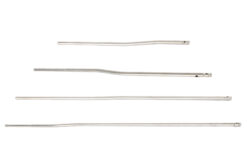
The gas tube is another frequent mistake. Gas tube length must match the barrel’s gas system length. A carbine-length barrel setup needs a carbine gas tube. A mid-length setup needs a mid-length gas tube. A rifle-length setup needs a rifle-length tube. Using the wrong tube can prevent the rifle from cycling properly or stop it from functioning altogether.
Builders also overlook the relationship between the gas and buffer systems. A rifle that feels over-gassed may not always need a new gas block. Sometimes a heavier buffer, stronger spring, or different ammunition can help balance the system. This is why it helps to look at the entire rifle rather than immediately blaming one part.
Over-Gassed vs. Under-Gassed AR-15 Builds
An over-gassed AR-15 usually cycles hard. You may notice sharp recoil, aggressive ejection, excessive wear, or brass ejecting forward around the 1 to 2 o’clock position. Suppressed rifles are also commonly over-gassed because suppressors increase back pressure.
An under-gassed AR-15 may short-stroke, fail to eject, fail to feed, or fail to lock back on an empty magazine. Causes can include gas block misalignment, a loose gas key, an incorrect gas tube, weak ammunition, too much buffer weight, or a gas leak.
Troubleshooting should start with the basics. Check gas block alignment, gas tube placement, gas key staking, magazine function, lubrication, ammo quality, and buffer weight before replacing parts.
Barrel Length and Gas System Length
Barrel length and gas system length play a big role in reliability. A 16-inch barrel with a carbine gas system can run reliably, but it may feel sharper than a 16-inch barrel with a mid-length system. Many builders prefer mid-length gas on 16-inch barrels because it often provides smoother cycling and a more balanced recoil impulse.
Shorter barrels usually need shorter gas systems to maintain enough pressure and dwell time. Longer barrels can use longer gas systems. The goal is to keep the rifle cycling reliably without sending unnecessary gas and force back into the action.
Do You Need an Adjustable Gas Block?
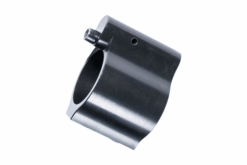
For most standard AR-15 builds, a quality fixed gas block is usually enough. If the rifle is unsuppressed, has a common barrel and gas length, and uses standard ammo, a fixed low-profile gas block is simple and reliable.
An adjustable gas block becomes more useful when tuning for suppressor use, competition, lightweight carriers, specialty buffers, or reduced recoil. It gives the shooter more control, but it also adds another adjustment point. For a basic defensive, range, or general-purpose build, high-quality AR-15 parts installed correctly matter more than adding extra complexity.


How Suppressors Affect AR-15 Gas Systems
Adding a suppressor to an AR-15 changes how the gas system behaves. A suppressor increases back pressure, which can send more gas back through the system and cause the rifle to cycle harder than it would without a suppressor. This can lead to sharper recoil impulse, increased bolt speed, more carbon buildup, and extra gas near the shooter’s face.
For suppressed rifles, a properly tuned gas system makes a big difference. Many shooters prefer adjustable gas blocks, heavier buffers, or optimized buffer springs to slow the action down and improve reliability. Barrel length and gas system length also matter. A mid-length or rifle-length gas system can often feel smoother than a shorter carbine-length setup, depending on the build.
The goal is balance. A suppressed AR-15 should cycle reliably without being over-gassed. Tuning the gas system helps reduce wear, improve comfort, and keep the rifle running cleaner and more smoothly during longer-range sessions.
Conclusion
The gas system is one of the most important groups of AR-15 parts and accessories, but it is also one of the most misunderstood. Choosing the right gas block, matching the correct gas tube, and balancing the rifle with the proper buffer system can make the difference between a smooth, reliable build and one that constantly gives you problems.
Whether you are searching for AR-15 parts near me, comparing AR-15 parts for sale, or upgrading your current rifle with high-quality AR-15 parts, Black Rifle Depot has the gas blocks, gas tubes, and build components you need. Shop AR-15 Gas Blocks & Tubes at Black Rifle Depot and get the right parts for your next build with quick shipping.
FAQ About AR-15 Parts
What is the most common AR-15 gas system mistake new builders make?
The most common mistake is using the wrong gas block size or failing to align the gas block correctly with the barrel gas port.
How do I know if my AR-15 is over-gassed or under-gassed?
Over-gassed rifles often recoil sharply and eject brass aggressively. Under-gassed rifles may short-stroke, fail to eject, or fail to lock back.
What size gas block do I need for my AR-15 barrel?
You need to match the gas block to the barrel’s gas block journal diameter, commonly .625, .750, or .936 inches.
Does gas tube length have to match the gas system length on an AR-15?
Yes. Carbine-, mid-length-, rifle-length-, and pistol-length gas systems each require a matching gas tube.
What happens if I use the wrong gas tube in an AR-15 build?
The rifle may fail to cycle, fail to lock back, or not function properly because the gas timing and fitment are wrong.
How do barrel length and gas system length affect AR-15 reliability?
They control gas timing, pressure, and dwell time. A mismatched setup can cause harsh cycling or unreliable operation.
Is a mid-length gas system better than a carbine-length gas system for most AR-15 builds?
For many 16-inch builds, mid-length gas is often preferred because it can feel smoother while still maintaining reliability.
Do I need an adjustable gas block for a standard AR-15 setup?
Usually no. A quality fixed gas block works well for most standard builds unless you are tuning for a suppressor or competition setup.
How can I troubleshoot AR-15 cycling issues caused by the gas system?
Start by checking gas block alignment, gas tube fitment, gas key condition, lubrication, ammo, magazines, buffer weight, and spring condition.
What AR-15 gas system components should I upgrade first for better performance?
Start with a properly sized gas block, a quality gas tube, the correct roll pin, and a reliable buffer system before adding specialty parts.
For additional resources, check out our X Page.
