
AR-15 Stocks
AR-15 Stocks and Buffers Buying Guide: How to Choose the Right Setup
Oct
Table of Contents
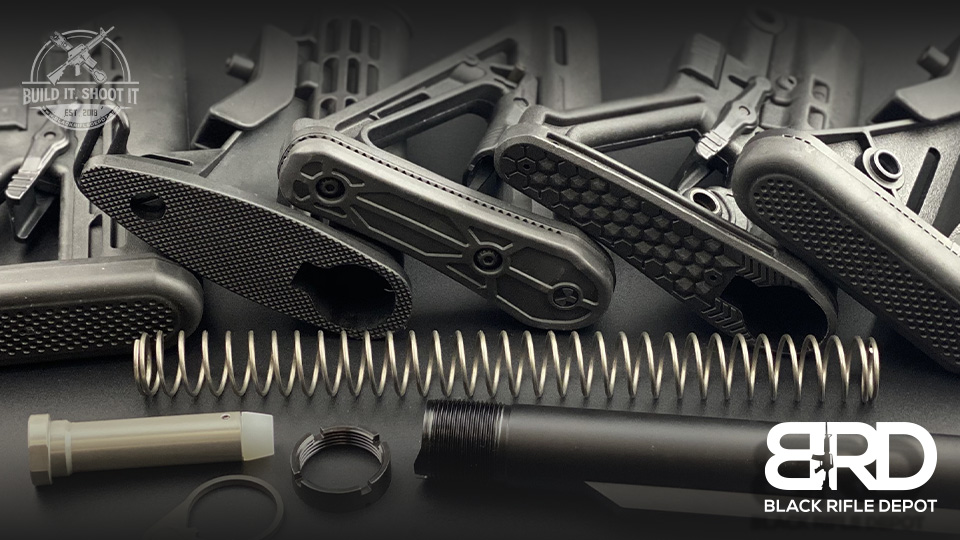
Choosing the right AR-15 stock and buffer system is an important part of building or upgrading an AR-15. Although these components serve different purposes, they work together to provide proper fit, reliable cycling, and a comfortable shooting experience. Understanding their compatibility helps prevent unnecessary purchases, installation problems, and performance issues. Matching components to your firearm’s configuration can also improve handling, provide better shoulder support, and help you achieve a more consistent shooting position.
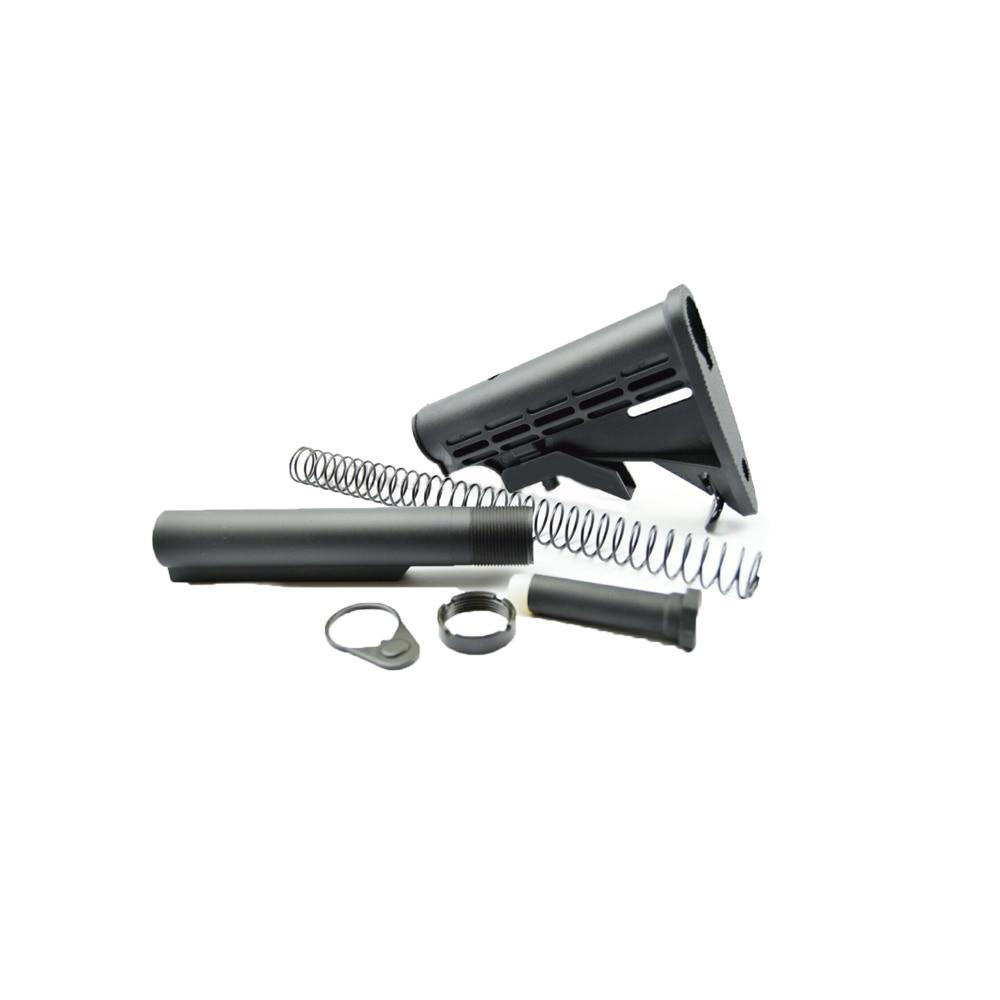
With so many AR-15 stocks for sale, understanding the differences between fixed, adjustable, and specialty designs makes choosing the right setup easier. Consider stock construction, receiver extension dimensions, and buffer system requirements before you buy. This guide explains the available options, compatibility considerations, and what to look for when selecting replacement components.
Understanding AR-15 Stocks and Buffer Systems
The AR-15 stock provides shoulder support, establishes length of pull, and helps maintain a consistent shooting position. Meanwhile, the buffer system manages the bolt carrier group’s rearward movement and return during operation. A conventional AR-15 buffer system consists of a receiver extension, buffer, and action spring. These components work together during the firearm’s operating cycle, but stock compatibility depends primarily on the receiver extension’s dimensions and design.
When considering an AR-15 stock replacement, determine whether the existing buffer tube supports the stock you want. Changing stocks does not automatically require replacing the buffer or spring. However, switching between receiver extension types may require additional components to operate properly. Understanding these differences matters especially when buying individual parts rather than a complete assembly.
Types of AR-15 Stocks
Different AR-15 buttstocks provide varying levels of adjustability, weight, durability, and shooting comfort. The ideal configuration depends on your intended use, preferred shooting position, and existing receiver extension.
Adjustable and Collapsible AR-15 Stocks
An AR-15 collapsible stock offers multiple length-of-pull positions to accommodate different shooters, clothing, and shooting preferences. These stocks typically attach to carbine-style receiver extensions and are among the most common options for modern AR-15 rifles. A quality adjustable AR-15 stock should offer secure positioning, comfortable shoulder contact, and practical sling-attachment options. Popular choices include Magpul AR-15 stock models designed for compatible receiver extensions.
Some adjustable stocks feature rubber butt pads, friction-lock mechanisms, or additional cheek support. These features can improve comfort and reduce unwanted movement between the stock and receiver extension. When comparing options, consider how easily the stock adjusts, its overall weight, and whether its shape provides a comfortable cheek weld.
Fixed AR-15 Stocks
A fixed AR-15 stock maintains a consistent length of pull without a sliding adjustment mechanism. Traditional rifle stocks often use rifle-length receiver extensions, although some modern fixed stocks fit carbine extensions. Shooters often choose fixed designs for traditional rifle configurations and precision-oriented applications. Their straightforward construction also appeals to shooters who prefer fewer moving components.
When choosing a fixed stock, consider overall length, cheek weld, and mounting requirements. Not every fixed stock uses a rifle-length buffer tube, so manufacturer compatibility information is especially important. Some fixed-stock designs also offer storage compartments or additional sling-attachment options.
Precision and Specialty Stocks
An AR-15 precision stock may provide adjustable cheek height, length of pull, or buttpad positioning. These features support a repeatable shooting position, especially when using magnified optics or shooting from supported positions. Shooters who prioritize consistent positioning and individual fit over minimum weight commonly choose precision stocks.
Specialty options include aluminum AR-15 stock designs and certain side-folding configurations. Aluminum construction can offer a different balance of rigidity, weight, and adjustability compared with traditional polymer designs. However, an AR-15 side-folding stock requires careful compatibility verification because conventional AR-15 operating systems generally rely on a receiver extension behind the lower receiver. Folding adapters and specialty operating systems are not universally compatible.


Mil-Spec vs. Commercial AR-15 Buffer Tubes
One of the most important considerations when purchasing a replacement stock is receiver extension sizing. Mil-spec carbine receiver extensions have a nominal outside diameter of approximately 1.148 inches, while commercial-spec versions generally measure approximately 1.168 inches. These measurements describe the tube’s stock-mounting portion and determine which collapsible stocks are compatible.
A commercial AR-15 stock generally will not fit securely on a mil-spec extension, while a mil-spec stock generally cannot slide onto a larger commercial extension. Mil-spec carbine extensions are common on modern AR-15 rifles, and many aftermarket stock manufacturers offer designs for this specification. Commercial-spec extensions are less common but still used on some existing firearms.
Always confirm the receiver extension specification before ordering. Similar appearances don’t guarantee compatibility, and the wrong stock size can cause unwanted movement or prevent installation entirely. Choosing the correct dimensions from the beginning makes future stock replacements and upgrades easier.
Carbine-Length vs. Rifle-Length Buffer Systems
Carbine and rifle buffer systems differ in receiver extension length, buffer dimensions, and spring requirements. Carbine systems use shorter receiver extensions and corresponding buffers and springs, while rifle systems use longer extensions with appropriately matched rifle buffers and springs. These components aren’t universally interchangeable, so identify the existing system before replacing parts.
Buffer weight also matters because the appropriate configuration depends on the firearm’s operating characteristics, including ammunition, gas system behavior, and manufacturer requirements. Importantly, buffer system length does not necessarily match barrel or gas system length. A rifle with a rifle-length gas system can still use an appropriately configured carbine buffer assembly.
Specialized buffer systems may use proprietary components or alternative receiver extension dimensions. Always follow the specific manufacturer’s compatibility requirements rather than assuming standard AR-15 components will fit.
Choosing the Right AR-15 Stock for Your Needs
Before purchasing an AR-15 stock upgrade, consider intended use, length of pull, cheek support, weight, sling compatibility, and construction quality. For a general-purpose rifle, a lightweight adjustable stock may provide a practical balance of comfort and flexibility. Precision-oriented rifles may benefit from additional cheek support and adjustable fit, while traditional builds may favor a fixed configuration.
An inexpensive stock may work for basic applications, but don’t let price alone drive your choice. Fit, durability, and compatibility with your manufacturer are better indicators. Polymer stocks are widely available and can offer excellent durability without excessive weight, while aluminum designs may appeal to shooters seeking particular adjustment features or construction characteristics.
Firearm configuration also matters. Installing a shoulder stock on an AR-pattern pistol can change its legal classification. Short-barreled rifle configurations involve federal and potentially additional state requirements, so verify current laws before making modifications.
Shop AR-15 Stocks at Black Rifle Depot
Finding the right combination starts with understanding your existing components and intended application. Whether you’re replacing a worn stock or building a new rifle, compatibility should always come first. Consider whether you need a stock-only replacement, an adjustable carbine configuration, or a complete stock-and-buffer assembly. Comparing mounting specifications, available features, and included components can help narrow your options and avoid ordering unnecessary parts. Taking time to evaluate stock dimensions, build quality, and manufacturer compatibility recommendations can also help ensure your selected components meet your comfort and durability expectations.
Explore AR-15 stocks for sale at Black Rifle Depot to compare configurations, materials, and features.
Frequently Asked Questions About AR-15 Stocks and Buffers
What stock and buffer setup should I choose for my AR-15?
Choose a stock compatible with your receiver extension and a buffer system appropriate for your firearm’s operating configuration. Consider intended use, comfort, and manufacturer specifications before selecting components.
What is the difference between a fixed and adjustable AR-15 stock?
Fixed stocks maintain a consistent length of pull, while adjustable stocks let you change the stock length. Adjustable designs offer more flexibility, while fixed stocks provide a straightforward configuration.
Does an AR-15 stock come with a buffer tube?
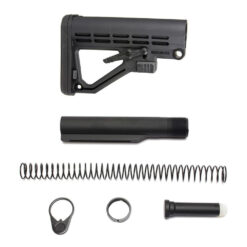
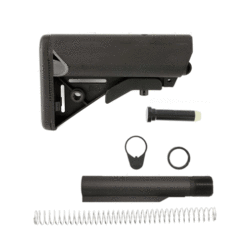
Not always. Some products include only the stock, while complete kits may include a receiver extension, buffer, spring, and mounting hardware. Always review the included components.
What size buffer tube do I need for an AR-15 stock?
The required tube depends on the stock design. Common options include mil-spec carbine, commercial carbine, and rifle-length receiver extensions. Check the stock’s stated compatibility before purchasing.
What is the difference between carbine-length and rifle-length buffer systems?
They use different receiver extension lengths, buffers, and springs. Rifle-length systems have longer extensions, while carbine systems use shorter assemblies with appropriately matched internal components.
Can I use a carbine buffer system with a fixed stock?
Yes, as long as the fixed stock is designed for the compatible carbine receiver extension. Some modern fixed stocks use carbine tubes rather than traditional rifle-length extensions.
How do I know if I need a new buffer when changing my AR-15 stock?
A compatible stock-only replacement generally does not require a different buffer. Changing receiver extension types or addressing an existing cycling problem may require evaluating other buffer system components.
Does the type of AR-15 stock affect which buffer system I need?
Yes, indirectly. Stock mounting requirements determine compatible receiver extensions, which can influence the required buffer and spring configuration. Stock appearance alone doesn’t determine buffer compatibility.
Should I buy an AR-15 stock and buffer kit together or separately?
Complete kits are convenient when replacing an entire assembly or starting a new build. Individual components make sense when you can keep compatible parts, which can reduce unnecessary expenses.
What should I look for when buying an AR-15 stock and buffer setup?
Prioritize receiver extension compatibility, build quality, a comfortable fit, sling-attachment options, and appropriate buffer components. Compare full product specifications and confirm what is included before you buy.
For additional support and online deals, check out our X Page.
