


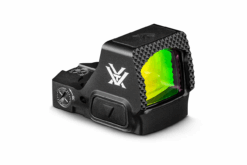

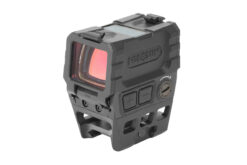

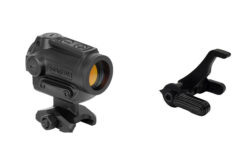
Active Safety Designs Ambidextrous ARC-Fire Trigger Kit V2 with Holosun ARO 2 MOA Green Dot Sight
Active Safety Designs, Holosun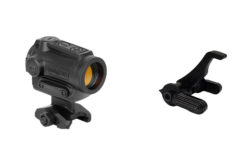
Active Safety ARC-Fire V2 Trigger Kit with Holosun ARO 2 MOA Red Dot Sight
Active Safety Designs, Holosun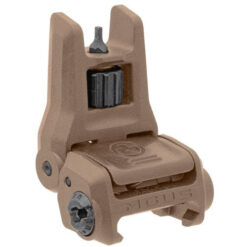
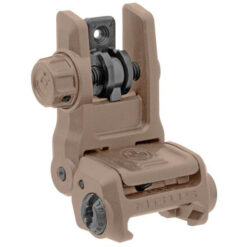


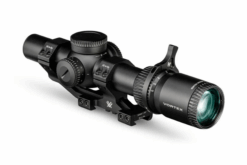
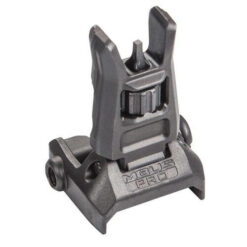
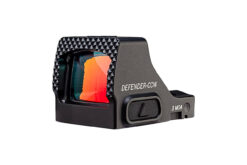
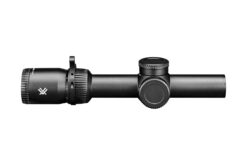
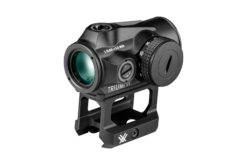
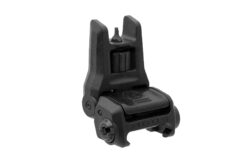
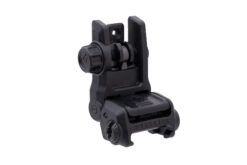
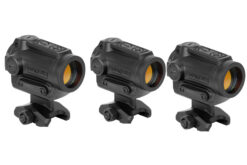
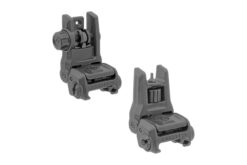
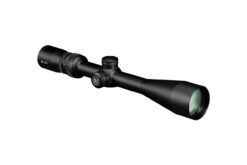
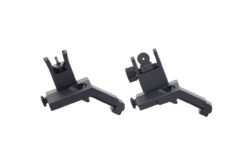
Our selection of AR-15 optics and sights includes options for close-range speed, longer-range precision, and everything in between. Shooters who want quick target acquisition can shop red dot sights and other tactical optics, while those who need magnification can choose from a variety of rifle scopes. We also carry pistol optics, flip-up sights, laser sights, and traditional iron sights for shooters who prefer a simple, dependable aiming system.
Shop Rifle Sights and Optics
The right optic depends on your firearm, shooting distance, and intended use. A red dot can be a practical choice for close to medium distances, while a magnified rifle scope can provide better target identification and precision at longer ranges. Iron sights and flip-up sights can be used as primary sights or as backups to electronic optics.
Black Rifle Depot also carries the mounting components needed to complete your setup, including optic mounts, scope mounts, optic risers, and scope rings. Before purchasing, confirm that the optic and mounting system are compatible with your rifle’s rail, receiver, or mounting footprint.
Whether you are looking for affordable AR-15 optics for sale, upgrading an existing rifle, or building a new setup, you can find rifle optics and firearm optics for a wide range of applications and budgets.
Frequently Asked Questions
Finding the right optic is easier when you understand the basic differences between sighting systems, mounts, and magnification options.
What is the difference between a rifle scope and a sight?
A rifle scope typically uses magnification to make distant targets easier to see. A sight, such as a red dot or iron sight, is generally designed for faster aiming at closer distances.
Which type of optic is best for a first-time buyer?
A red dot sight is often a good starting point because it is simple to use and works well for many common AR-15 applications.
What do the numbers on a rifle scope mean?
Numbers such as 1-6×24 indicate the magnification range and objective lens size. In this example, the scope adjusts from 1x to 6x magnification and has a 24mm objective lens.
Do rifle scopes normally come with rings or a mount?
Not always. Many scopes require separate scope rings or a mount, so check the product details before purchasing.
How can I tell if an optic will fit my rifle?
Check the rifle’s rail or mounting system and compare it with the optic’s mounting requirements. Many AR-15 optics are designed for Picatinny rails, but compatibility can vary.
What is the difference between a red dot and a green dot sight?
The primary difference is reticle color. Some shooters find green easier to see in certain lighting conditions, while others prefer the traditional red reticle.
Can you use a red dot sight if you have astigmatism?
Yes, although some users with astigmatism may see the dot as distorted. Different optics and reticle styles can appear clearer depending on the individual.
Which types of rifle sights work without batteries?
Traditional iron sights and fiber-optic sights can function without batteries. Some illuminated optics may also include etched reticles that remain usable without power.
Are rifle scopes waterproof and fog-proof?
Many modern rifle scopes are designed to resist water and internal fogging, but the level of protection varies by model.
How do you adjust iron sights on a rifle?
Iron sights are typically adjusted for windage and elevation. Follow the sight manufacturer’s instructions and make small adjustments while confirming point of impact at the range.
Where should iron sights be placed on an AR-15?
The rear sight is generally mounted toward the rear of the upper receiver, while the front sight is positioned as far forward as practical on a suitable rail or sight base.
Should I choose a red dot or a magnified scope?
A red dot is often preferred for speed at close range, while a magnified optic is usually better for precision and longer-distance shooting.
Do I need a mount or riser with my optic?
In many cases, yes. The right mount or riser helps with proper height, eye relief, and a more comfortable shooting position.
Are backup iron sights still worth having?
Yes. Flip-up or fixed iron sights are still useful as a backup aiming system if your primary optic fails or loses power.
Can I use the same optic on different firearms?
Sometimes, but you should always confirm mounting compatibility, optic footprint, and whether the optic is suited for that platform.
What should I look for when buying a rifle optic?
Focus on intended range, reticle type, magnification, mounting needs, durability, and how the optic fits your rifle setup.
Are pistol optics different from rifle optics?
Yes. Pistol optics are typically smaller, lighter, and designed to mount to handgun slides or handgun-specific optic cuts.