
AR-15 Optics
Best AR-15 red dot sights in 2026
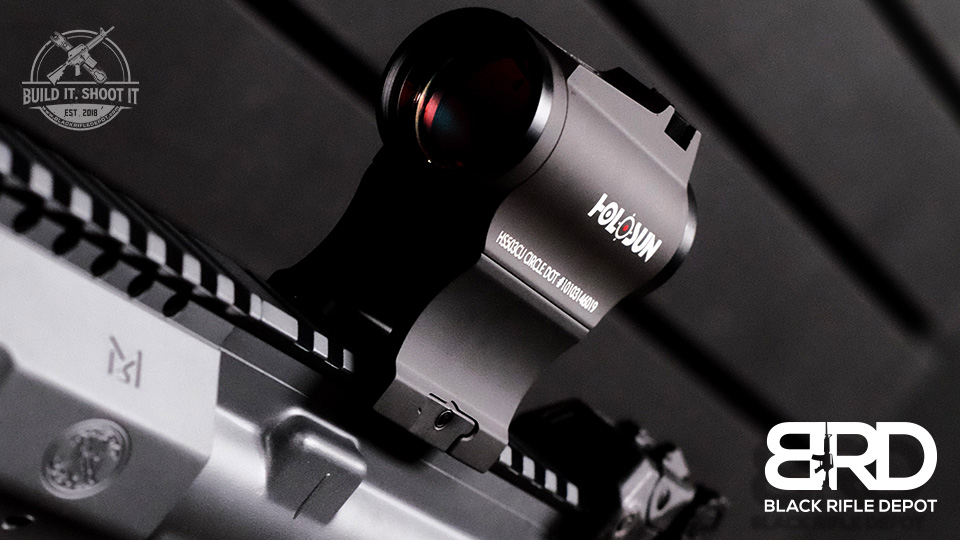
Apr
Table of Contents
If you are shopping for AR-15 Red Dot Sights in 2026, the good news is that the market is better than ever for fast, dependable optics. Whether you are building a lightweight range rifle, a home-defense setup, or a practical all-around carbine, the right AR-15 red dot sight can make your rifle faster to aim, easier to track, and more intuitive under pressure. Brands carried across the market, including EOTech, Aimpoint, Holosun, and Vortex, continue to dominate the conversation because they offer proven optics across multiple price points and use cases.
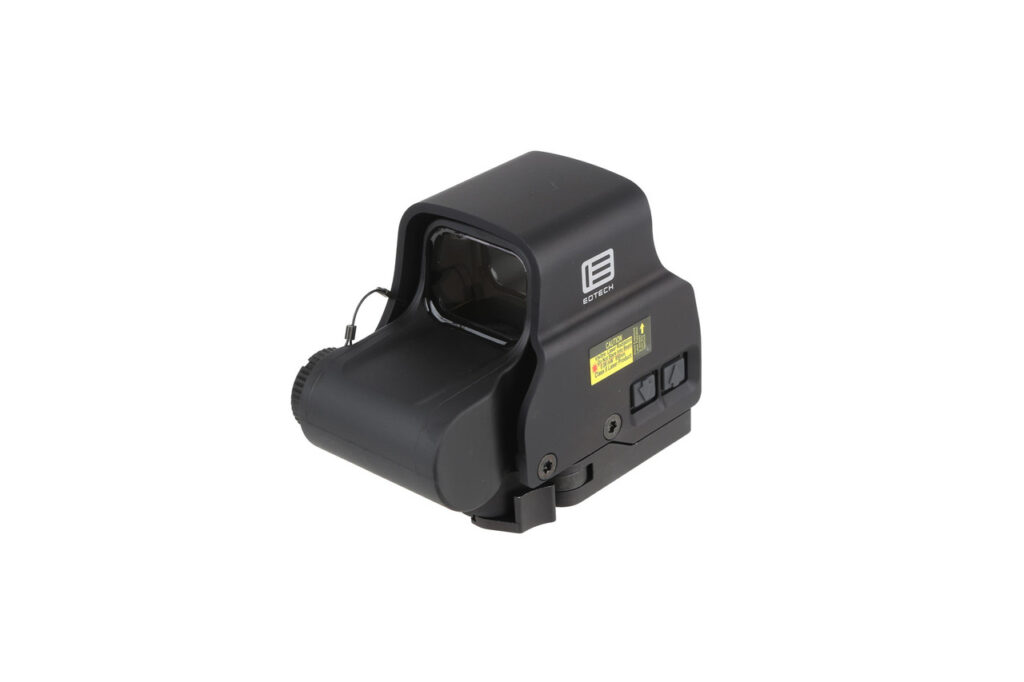
One of the biggest reasons shooters choose a red dot sight for AR-15 builds is speed. A true 1x optic lets you shoot with both eyes open, pick up the reticle quickly, and stay focused on the target rather than aligning front and rear irons. That is why red dots remain one of the most popular optic categories for modern carbines. If you want a rifle that feels fast at defensive distances and still works well for training, competition, or general recreational use, a red dot is still one of the smartest upgrades you can make in 2026. EOTech specifically highlights fast, two-eyes-open shooting on its EXPS line, while Aimpoint positions the Duty RDS as a compact optic built for modern hard use.
What to Look for in AR-15 Red Dot Sights 2026
Not every optic fits every build. When comparing AR-15 Red Dot Sights 2026, start with the basics: window size, battery life, mounting height, durability, and intended use. A larger window can feel faster during movement and close-range transitions. A compact tube-style optic may save weight and keep the rifle streamlined. Battery life matters if you want a sight that can stay on for long periods, while mount height matters if you want an absolute or lower 1/3 co-witness with backup irons. Holosun’s AEMS family stands out for pairing a large viewing area with a compact footprint, while Aimpoint’s Duty RDS emphasizes a crisp 2 MOA dot and extended runtime.
You should also think about how the optic will pair with the rest of your rifle. A lightweight carbine often benefits from a compact red dot that keeps the front end lively. A duty-style rifle may call for something more rugged with a trusted mounting system. If you plan to add a magnifier later, certain designs are more convenient than others. EOTech’s EXPS series, for example, is built around fast use and magnifier compatibility, with a raised quick-detach base for lower 1/3 co-witness.
Popular Red Dot Styles for AR-15 Builds
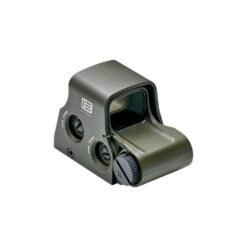
For many shooters, holographic sights remain a top-tier option. If you have searched AR-15 red dot sights, EOTech, you already know why. EOTech optics remain popular because of their large viewing window, fast reticle presentation, and strong compatibility with magnifiers. They are often favored by shooters who want a more premium sight picture and a proven hard-use reputation. The EXPS3 line also includes night-vision-compatible settings and a quick-detach rail interface.
Tube-style reflex sights are another major category and are often the easiest recommendation for all-around AR use. The Aimpoint Duty RDS is a strong example of why this style works so well. It offers compact housing, a 2 MOA dot, flush adjustments, and long battery life, making it attractive for shooters who value simplicity and durability. This style is often ideal for home defense rifles, training carbines, and shooters who want dependable performance without overcomplicating the setup.
Enclosed open-window reflex optics have also become increasingly attractive. Holosun’s AEMS platform is a good example of the modern direction of the category, combining a large field of view, a light overall package, and features such as Shake Awake, Solar Failsafe, and multi-reticle options on applicable models. For shooters who want a faster-feeling window without moving all the way to a holographic sight, this style can be a very compelling middle ground.

Iron Sights vs Red Dot AR-15
The iron-sights vs. red-dot AR-15 debate still comes up all the time, but for most shooters, it is no longer an either-or decision. Iron sights still matter as backups, and they are useful for simple, rugged setups. But a red dot generally makes the rifle easier and faster to run, especially for newer shooters. The optic helps reduce the time spent aligning sight planes and can make target acquisition feel more natural at practical carbine distances. A smart setup is often a quality red dot paired with backup iron sights rather than choosing one system at the expense of the other. EOTech’s lower-1/3 co-witness setup and many modern red-dot mounts reflect that reality, giving shooters a practical way to retain backups while still benefiting from faster sight pictures, improved target focus, and a more versatile overall rifle setup.
How to Sight In a Red Dot AR-15
If you are wondering how to sight in a red-dot AR-15, keep it simple. Start by mounting the optic securely on a stable section of rail and confirming the mount is torqued properly. Begin at a short distance to get on paper, then refine at your preferred zero distance. Many shooters choose a 50-yard zero for a practical AR-15 because it works well across a broad range of common shooting distances. Once your zero is confirmed, verify it from supported positions and make sure your dot brightness is set so the aiming point looks crisp rather than starbursting. Windage and elevation click values vary by optic, so always confirm them on the manufacturer’s specs before making fine adjustments. EOTech lists 0.5 MOA per click on the EXPS3, for example.
FAQ: Best AR-15 Red Dot Sights in 2026
If you are still comparing features, fit, and overall performance, these common questions can help you narrow down the right red dot setup for your AR-15.
What is the best AR-15 red dot sight in 2026?
The best AR-15 red dot sight in 2026 depends on how you plan to use the rifle. Some shooters want a lightweight optic for range use, while others want a rugged option for home defense, training, or duty-style setups. The best choice is usually the one that offers the right balance of durability, battery life, window size, and mounting height for your build.
Is a red dot sight for AR-15 better than iron sights?
For most shooters, a red dot sight for AR-15 use is faster and easier to learn than traditional iron sights. A red dot helps simplify target acquisition and allows you to keep both eyes open while shooting. Iron sights are still valuable as backups, but many shooters prefer a red dot as their primary aiming system.
How do I sight in a red dot on an AR-15?
To sight in a red dot on an AR-15, start at a close distance to make sure you are hitting paper, then move to your preferred zero distance. Many shooters use a 50-yard zero because it offers good versatility for general-purpose rifle use. Make small windage and elevation adjustments, shoot steady groups, and confirm your zero before relying on the setup.
What is the best zero for an AR-15 red dot sight?
A 50-yard zero is one of the most common choices because it works well for a wide range of practical shooting distances. Some shooters prefer a 25-yard or 100-yard zero depending on their needs, but 50 yards is often a solid middle-ground option for a general-use carbine.
Are AR-15 red dot sights EOTech models worth it?
Many shooters believe AR-15 EOTech red dot sights are worth it because of their fast reticle design, wide viewing window, and strong reputation for performance. They are especially popular on defensive, training, and hard-use rifles. Whether they are worth the price depends on your budget and whether you value holographic performance over more basic red dot designs.
What is the difference between a red dot and a holographic sight on an AR-15?
A standard red dot projects a simple aiming point, while a holographic sight uses a different display system, often with a larger window and a more distinctive reticle. In practical use, both are designed for fast target acquisition. The better option comes down to personal preference, battery life expectations, and budget.
Should I use a riser with my AR-15 red dot sight?
A riser can help position the optic at a height that feels more natural and may improve compatibility with backup iron sights, magnifiers, or certain stock setups. Whether you need one depends on the optic, the included mount, and the cheek weld and sight picture you want on your rifle.
Can I use backup iron sights with a red dot on an AR-15?
Yes, many shooters pair a red dot with backup iron sights. This setup gives you the speed of an optic while still keeping irons available if needed. It is a practical choice for shooters who want added confidence and flexibility in their rifle setup.
What should I look for when buying AR-15 Red Dot Sights 2026?
When shopping for AR-15 Red Dot Sights 2026, focus on durability, battery life, reticle clarity, mounting height, and overall size. You should also think about how the optic matches your intended use, whether that is home defense, range shooting, competition, or a general-purpose build.
Are budget AR-15 red dot sights worth buying?
Budget AR-15 red dot sights can be worth buying if they come from reputable brands and are being used for the right purpose. For range rifles and casual use, they can offer a lot of value. For harder use or defensive setups, many shooters prefer to spend more for proven durability and reliability.
Final Thoughts
The best AR-15 Red Dot Sights 2026 are not just the most expensive optics on the market. They are the ones that match your rifle, your budget, and the way you actually shoot. Some shooters will prefer the premium holographic feel of an EOTech. Others will want the straightforward durability of an Aimpoint-style reflex sight. Others may still want the feature-packed value and compact performance of the latest enclosed optics from Holosun. No matter which direction you choose, the goal is the same: a faster, more confident rifle that is easier to use when it counts. If you are shopping the current market, Black Rifle Depot carries red-dot and holographic-sight options from brands such as Vortex, Holosun, and EOTech, making it easier to compare setups for your next build.
For additional resources, check out our X Page.
