
Ammo
9mm Luger Ammo: What It Is, How It Compares, and What to Buy
May
Table of Contents
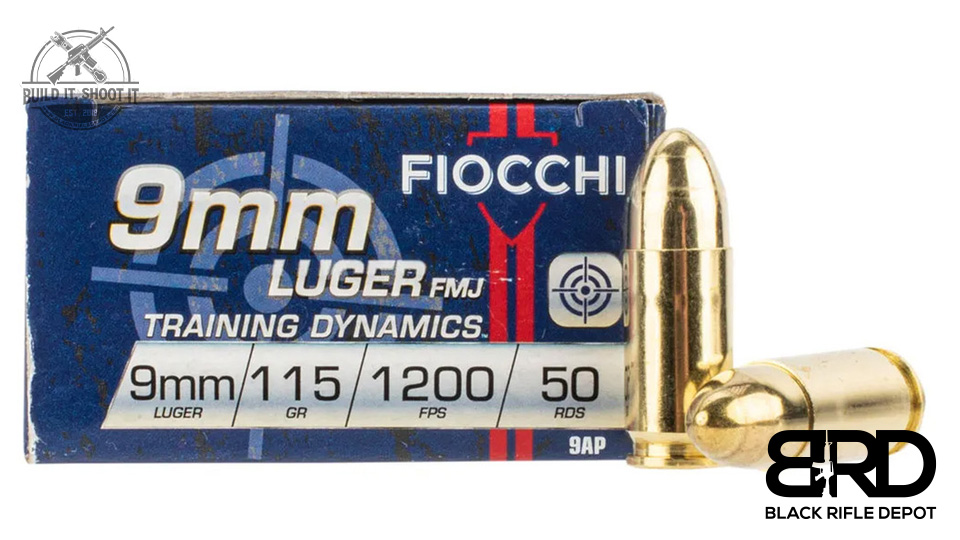
9mm Luger ammo is one of the most popular choices for handgun owners, range shooters, and builders who want dependable performance without overcomplicating their setup. But once you start shopping, the names can get confusing fast: 9mm Luger, 9×19, 9mm Parabellum, 9mm NATO, and standard “9mm” often appear side by side.
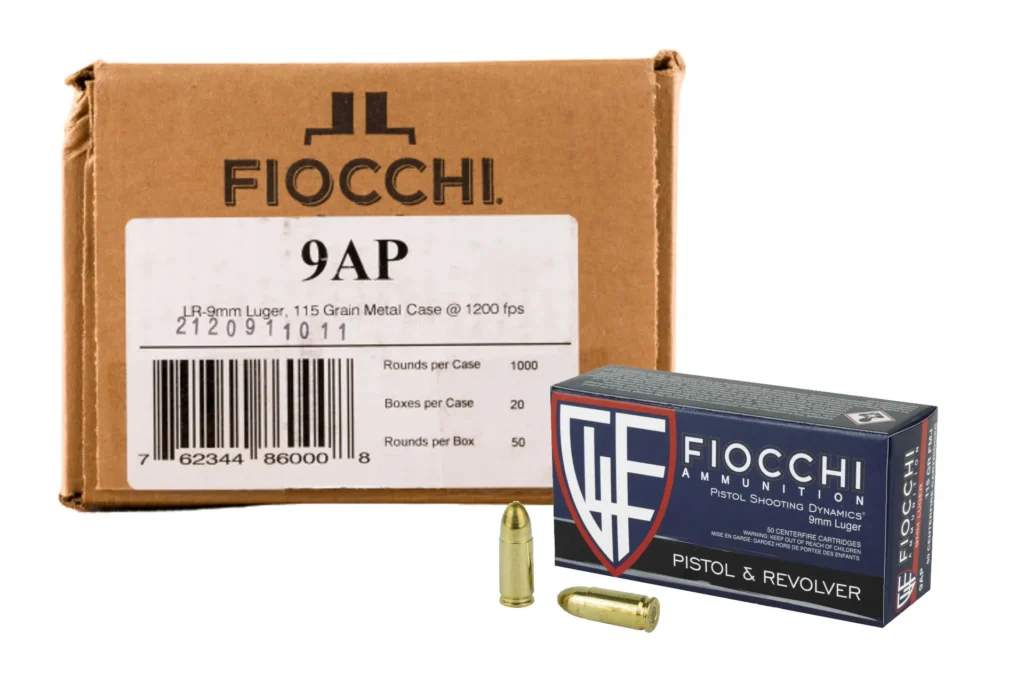
This guide clears up the confusion. We will explain what 9mm Luger means, how it compares to similar markings, what to look for in 9mm Luger ammo, and how to choose the right load for your firearm. When you are ready to compare options, explore our selection of 9mm Luger ammunition.
What is 9mm Luger?
9mm Luger refers to the 9x19mm handgun cartridge originally designed by Georg Luger in the early 1900s. You may also see it referred to as 9mm Parabellum, 9×19, or simply 9mm. In everyday shooting conversations, most people use “9mm” and “9mm Luger” interchangeably.
The “9mm” part refers to the approximate bullet diameter. The “19” in 9×19 refers to the case length in millimeters. The “Luger” name comes from the designer and the early pistol platform associated with the cartridge.
For most modern handgun owners, 9mm ammo offers a practical balance of recoil control, magazine capacity, affordability, and availability. That combination makes it a strong choice for range training, defensive handguns, pistol-caliber carbines, and general shooting use.
Black Rifle Depot carries ammunition and shooting products for customers who want clear options without having to dig through confusing listings. Whether you need practice ammo, bulk ammo, or compatible shooting gear, starting with the correct cartridge name helps you buy with confidence.
Is standard 9mm ammo the Same as 9mm Luger?
Yes, in most commercial ammunition listings, 9mm and 9mm Luger refer to the same cartridge. If your handgun barrel, owner’s manual, or product listing says 9mm Luger, 9×19, or 9mm Parabellum, those names typically point to the same standard cartridge family.
The confusion arises because “9mm” can also refer to a general bullet-diameter category. Several cartridges use a 9mm-diameter bullet, including .380 ACP, 9mm Makarov, and others. Those cartridges are not interchangeable with 9mm Luger.
That is why you should always match the exact caliber marking on your firearm, magazine, and ammunition box. Do not buy ammunition based only on the phrase “9mm” unless the listing clearly identifies it as 9mm Luger or 9×19.
A simple rule helps: if your pistol is marked 9mm Luger or 9×19, standard 9mm Luger ammo is the correct category. If your firearm is marked .380 ACP, 9×18 Makarov, or another caliber, it needs that specific cartridge instead.
9mm Luger vs Parabellum
The comparison between the 9mm Luger and Parabellum causes a lot of unnecessary confusion. In practical terms, 9mm Luger and 9mm Parabellum refer to the same 9x19mm cartridge.
“Parabellum” comes from the Latin phrase often associated with DWM, the German manufacturer connected to the cartridge’s early development. “Luger” refers to Georg Luger and the pistol design that helped popularize the cartridge. Different companies and countries adopted different naming habits, which is why both terms still appear today.
For the average shooter, the key takeaway is simple: 9mm Luger ammo and 9mm Parabellum ammo usually fit the same firearms chambered for 9x19mm. When shopping, you may see boxes marked:
| Common Marking | Practical Meaning |
|---|---|
| 9mm Luger | Standard commercial 9x19mm |
| 9×19 | Metric cartridge designation |
| 9mm Parabellum | Alternate name for 9mm Luger |
| 9mm NATO | Military-spec 9×19 variant, often loaded differently |
Always check your firearm manufacturer’s guidance, especially when moving from standard 9mm Luger to hotter loads such as +P or NATO-marked ammunition.

9mm Luger vs 9mm NATO
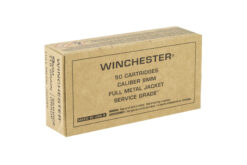
The 9mm Luger vs 9mm NATO comparison is more important than the 9mm Luger vs Parabellum comparison. While both use the 9x19mm cartridge dimensions, 9mm NATO often runs at a higher pressure level than standard commercial 9mm Luger. That can create a sharper recoil impulse and more wear in some firearms.
Many modern duty-size handguns can handle 9mm NATO without issue, but that does not mean every 9mm firearm should use it regularly. Compact pistols, older firearms, budget pistols, or guns with unknown histories deserve extra caution.
Before buying 9mm NATO, check your firearm manual or manufacturer recommendations. If the manual says the gun handles 9mm Luger but does not mention NATO or +P ammo, standard-pressure 9mm Luger remains the safer everyday choice.
For most range shooters, standard 115-grain or 124-grain full metal jacket 9mm Luger ammo gives you what you need: reliable cycling, manageable recoil, and affordable practice. NATO-style loads can work well in the right firearm, but you should treat them as a specific load type rather than a universal replacement.
Understanding the 9mm Luger Bullet
When shoppers say “9mm Luger bullet,” they often mean the complete cartridge. Technically, the bullet is only the projectile at the front of the round. The complete round includes the bullet, case, primer, and powder charge.
Common 9mm Luger bullet weights include 115 grain, 124 grain, and 147 grain. Each weight can feel slightly different.
115-grain ammo usually gives shooters a light, fast range load. It works well for general practice and tends to stay widely available. 124-grain ammo often provides a balanced feel and remains popular for both training and defensive-style loads. 147-grain ammo uses a heavier projectile and often produces a softer, slower recoil impulse, depending on the load and firearm.
Bullet type matters too. Full metal jacket, or FMJ, works best for range practice because it feeds reliably and usually costs less. Jacketed hollow point, or JHP, is commonly used for defensive purposes where lawful and appropriate. Some shooters also choose total metal jacket, frangible, or specialty training rounds based on range rules and use case.
Black Rifle Depot helps shooters compare these options clearly so they can choose ammo that matches their firearm, training plan, and budget.
How to Choose 9mm Ammo
Choosing the right 9mm ammo starts with your intended use. Range training, competition, defensive carry, and pistol-caliber carbine use can all benefit from different loads.
For range practice, start with reliable FMJ ammo in 115-grain or 124-grain. These loads keep costs manageable and help you build consistent fundamentals. If you train often, bulk 9mm Luger ammo can reduce your cost per round and keep you stocked for regular range trips.
For defensive use, many shooters choose quality JHP ammo from a reputable manufacturer. Defensive ammunition should feed reliably in your specific firearm, so test it before relying on it. A load that performs well in one pistol may feel or function differently in another.
For suppressed firearms or certain pistol-caliber carbines, some shooters prefer heavier 147-grain loads. These may deliver a different recoil feel and sound profile depending on the firearm, barrel length, and suppressor setup.
When browsing Black Rifle Depot, look for clear product details: caliber, bullet weight, bullet type, round count, case material, and manufacturer. Good product information helps you avoid guesswork and choose the best AR-15 parts, AR-15 accessories, and compatible shooting gear for your build or range setup.
Why 9mm Ammo Remains So Popular
9mm ammo stays popular because it solves practical problems for a wide range of shooters. It offers manageable recoil, solid capacity, broad firearm compatibility, and strong availability. Those advantages matter whether you own one handgun or maintain multiple firearms for training.
New shooters often appreciate 9mm because it feels easier to control than larger handgun calibers. Experienced shooters value it because it lets them train more often without punishing recoil or excessive ammo costs. In many modern pistols, 9mm also offers higher magazine capacity than larger-diameter handgun cartridges.
For builders and enthusiasts, 9mm also supports pistol-caliber carbine platforms and AR-style setups. A 9mm PCC can make range days more affordable and enjoyable while keeping controls familiar for shooters who already train with AR-style firearms.
That crossover appeal explains why 9mm products remain common across handguns, carbines, magazines, range gear, and cool AR-15 upgrades. It gives shooters flexibility without forcing them into a complicated ammunition plan.
Common Shopping Mistakes to Avoid
The biggest mistake is assuming every cartridge with “9mm” in the name fits a 9mm Luger firearm. It does not. Always match the exact caliber marking.
Another mistake is buying +P, +P+, or 9mm NATO ammo without checking firearm compatibility. Higher-pressure loads can increase recoil and wear. They may also fall outside the recommendations for some firearms.
Shooters also overlook bullet type. FMJ ammo works well for practice, but it may not suit every defensive or range requirement. JHP ammo may serve defensive roles, but it costs more and still needs reliability testing in your firearm.
Finally, avoid buying based only on the lowest price. Cheap ammo can still be good ammo, but you should confirm the manufacturer, case material, bullet type, and product details. Clear specifications matter.
Black Rifle Depot makes it easier to shop by category, compare available options, and pair ammunition with the right accessories. Whether you need magazines, range gear, or other AR-15 accessories, you can build a more dependable setup by choosing parts and ammo that work together.
FAQ: 9mm Ammo
Still have questions about 9mm Luger ammo? The answers below cover the most common points shooters ask when comparing 9mm, 9×19, 9mm Parabellum, and 9mm NATO, so you can choose the right ammunition with confidence.
Is 9mm Luger the same as 9mm?
Yes, most commercial ammo listings use 9mm and 9mm Luger interchangeably to refer to the same 9x19mm cartridge. However, “9mm” can also refer to a bullet caliber, so always confirm the box says 9mm Luger, 9×19, or 9mm Parabellum before buying.
What does 9mm Luger mean?
9mm Luger refers to the 9x19mm handgun cartridge associated with Georg Luger. The “9mm” describes the approximate bullet diameter, while “Luger” identifies the cartridge name used by many commercial ammunition manufacturers.
Is standard 9mm ammo and 9×19 the same?
Yes, a firearm marked 9×19 is generally chambered for 9mm. The names 9×19, 9mm Luger, and 9mm Parabellum usually refer to the same cartridge. Always follow your firearm manufacturer’s manual.
Where can I buy 9mm ammo?
You can browse current options through Black Rifle Depot’s 9mm ammo category. Check product details for bullet weight, bullet type, round count, and manufacturer before ordering.
Final Thoughts on 9mm Ammo
9mm ammo does not have to be confusing. In most cases, 9mm Luger, 9×19, and 9mm Parabellum refer to the same standard cartridge. 9mm NATO also belongs to the 9×19 family, but it may run hotter than standard commercial 9mm Luger ammo, so you should check firearm compatibility before using it.
For everyday range training, standard 9mm Luger FMJ ammo in 115-grain or 124-grain remains a smart starting point. For defensive use, consider quality JHP ammo and confirm reliable function in your firearm. For high-volume practice, bulk 9mm Luger ammo can help you train more consistently.
Black Rifle Depot gives shooters a straightforward place to compare ammunition, AR-15 accessories, cool AR-15 upgrades, and the best AR-15 parts for their needs. Explore the latest 9mm Ammo and shop with confidence before your next range trip.
For additional resources, check out our X Page.
