
AR-15 Complete Uppers
Is a .223 Wylde AR-15 Upper Better Than a 5.56 Upper?
Jul
Table of Contents
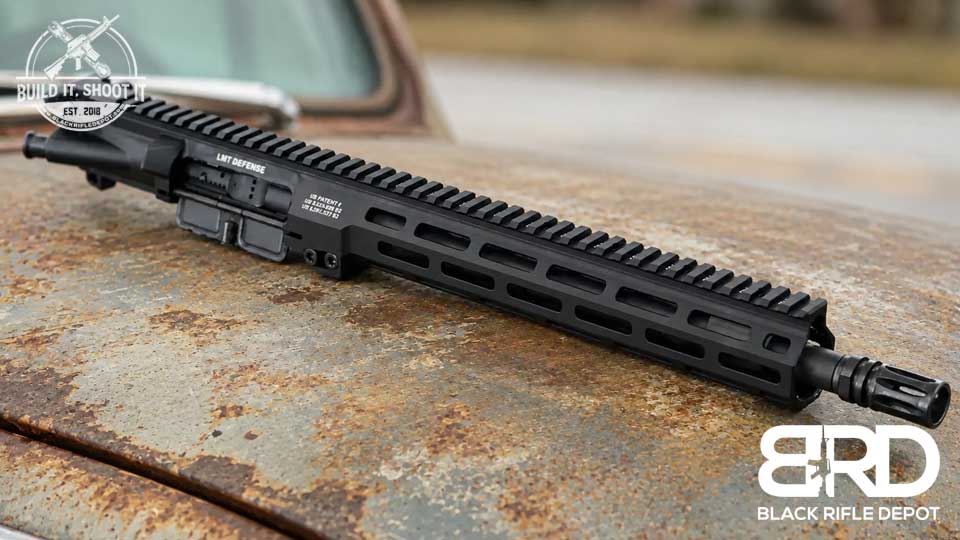
Choosing between a .223 Wylde upper and a 5.56 NATO upper is one of the most common questions buyers ask when shopping for AR-15 complete uppers. Both options are popular, dependable, and commonly used for range shooting, training, defensive setups, and general-purpose AR builds. The difference comes down to chamber design, accuracy expectations, ammunition flexibility, and how you plan to use the rifle.
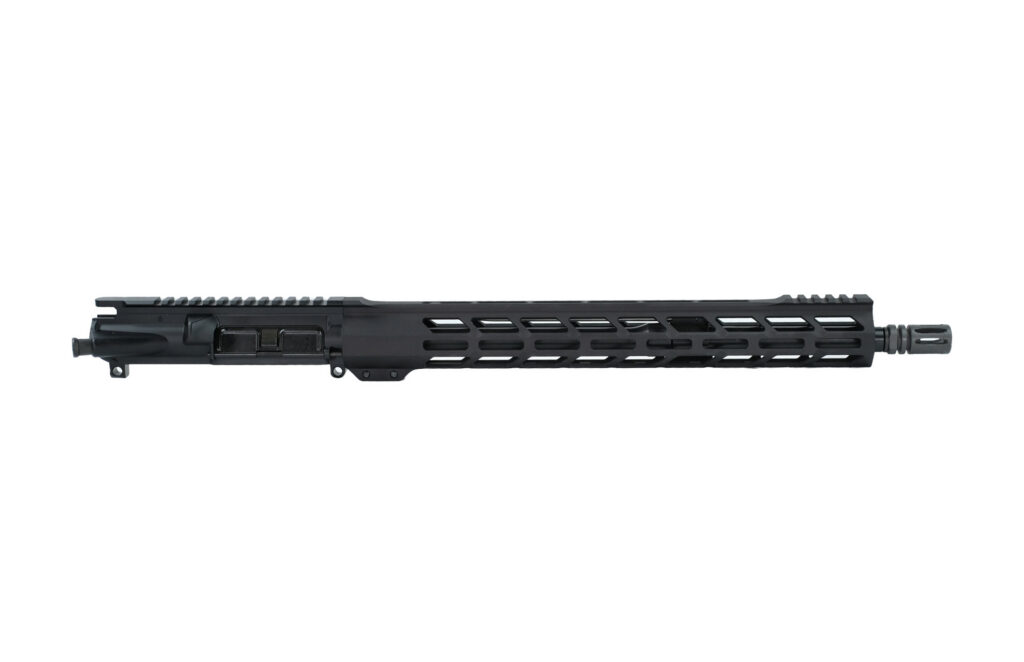
A 5.56 NATO upper is the traditional choice for many AR-15 owners. It is built around the 5.56 NATO chamber and is designed to handle the pressure of 5.56 ammunition while also safely shooting .223 Remington. A .223 Wylde upper was designed as a hybrid chamber that allows shooters to safely use both 5.56 NATO and .223 Remington while often offering a tighter chamber geometry intended to improve accuracy potential.
So, is a .223 Wylde upper better than a 5.56 upper? The best answer is that it depends on your priorities. If you want a hard-use, duty-style upper with proven reliability, a quality 5.56 upper is still an excellent choice. If your goal is to achieve better accuracy with both .223 Remington and 5.56 NATO ammunition, a .223 Wylde upper may be a better fit.
What Is a 5.56 Upper?
A 5.56 upper is an AR-15 upper receiver assembly chambered for 5.56 NATO. This is one of the most common chamberings for AR-15 rifles because it is versatile, widely supported, and compatible with a large selection of ammunition.
Many shoppers looking for a complete AR-15 upper in 223/5.56 are actually looking for a 5.56 NATO upper because it lets them shoot both 5.56 NATO and .223 Remington. That makes it a practical choice for owners who want one upper for training, range use, and general-purpose shooting.
A complete 5.56 upper may include the upper receiver, barrel, gas system, handguard, muzzle device, and sometimes the bolt carrier group and charging handle, depending on the specific model. Because not every manufacturer defines “complete” the same way, buyers should always check whether the BCG and charging handle are included before ordering.
What is a .223 Wylde Upper?
A .223 Wylde upper is chambered to bridge the gap between .223 Remington and 5.56 NATO. It was designed to safely handle 5.56 NATO pressures while offering a chamber profile that better leverages .223 Remington accuracy.
This is why the AR-15 223-556 Wylde complete upper has become popular among shooters who want flexibility without sacrificing precision. It lets you run common 5.56 NATO ammo while still getting strong performance from quality .223 Remington loads.
For many AR owners, .223 Wylde is attractive because it does not force a major compromise. You can still shoot common ammunition, but the chamber design may provide improved accuracy, especially when paired with a quality barrel, good ammunition, and a stable optic setup.
.223 Wylde vs. 5.56: The Main Difference
The main difference is the chamber. A 5.56 NATO chamber is generally built with reliability and pressure handling in mind. A .223 Wylde chamber is designed to safely use both 5.56 NATO and .223 Remington while offering tighter dimensions that may help with accuracy.
In simple terms:
A 5.56 upper is a strong general-purpose choice.
A .223 Wylde upper is a strong accuracy-focused choice.
That does not mean every .223 Wylde upper will automatically outshoot every 5.56 upper. Barrel quality, ammo quality, twist rate, gas system, trigger, optic, and shooter skill all matter. A high-quality 5.56 upper can outperform a lower-quality .223 Wylde upper. The chamber is important, but it is only one part of the complete setup.
Is .223 Wylde More Accurate?
A .223 Wylde upper can offer better accuracy, especially when using quality .223 Remington or match-grade ammunition. The chamber design is intended to improve projectile alignment before it enters the rifling, which can help tighten groups.
However, accuracy is not guaranteed by the chamber alone. A well-built barrel from a reputable company will usually matter more than the chamber name stamped on the barrel. If you are comparing a premium 5.56 upper against a budget .223 Wylde upper, the premium 5.56 option may still be the better shooter.
For buyers comparing AR-15 complete uppers 556/223, the best move is to look at the full package: barrel material, barrel profile, twist rate, gas system length, handguard style, assembly quality, and whether the upper has been properly tested before shipping.

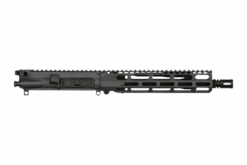
Geissele URGI CHF Barrel 5.56 Complete Upper Assembly Black/DDC Anodized-MK16 HG
Geissele Automatics
When a 5.56 Upper Makes More Sense
A 5.56 upper is a great choice if you want a dependable, general-purpose AR-15 setup. It is especially practical for shooters who mostly use bulk 5.56 or .223 ammunition and care more about reliability, durability, and simple ammo compatibility than chasing the smallest possible groups.
A 5.56 upper also makes sense for defensive-style builds, training rifles, patrol-style rifles, and hard-use range guns. If the upper is built by a reputable company and uses quality components, it can deliver excellent performance for most shooters.
For many AR owners, 5.56 is still the safest default choice because it is common, proven, and widely supported across the AR-15 market.
When a .223 Wylde Upper Makes More Sense
A .223 Wylde upper is a smart choice if you want one upper that can safely run both .223 Remington and 5.56 NATO while offering better accuracy potential. It is especially appealing for shooters who use magnified optics, shoot from a bench, stretch distance, or want cleaner groups from higher-quality ammo.
This chamber is also popular for SPR-style builds, varmint rifles, precision-focused range rifles, and general-purpose ARs where accuracy matters but ammo flexibility is still important.
If you are shopping for an AR-15 223-556 Wylde complete upper, pay close attention to the barrel. A quality .223 Wylde barrel paired with the right twist rate and ammunition can make a noticeable difference.
Barrel Twist Rate Matters Too
When comparing .223 Wylde and 5.56 uppers, twist rate should not be overlooked. Common AR-15 twist rates include 1:7, 1:8, and 1:9. A faster twist like 1:7 is commonly used for heavier bullets, while 1:8 is often viewed as a versatile middle ground for a wide range of common bullet weights.
For most shooters using mixed 55-grain, 62-grain, and heavier match-style ammo, a 1:8 or 1:7 twist can be a good fit. The best choice depends on the ammunition you plan to shoot most often.
What to Look for in AR-15 Complete Uppers 556/223
When shopping for AR-15 complete uppers in 5.56/223, do not choose based on chambering alone. Consider the overall build quality and intended use.
Important factors include barrel length, gas system length, handguard type, muzzle device, barrel profile, twist rate, finish, BCG inclusion, charging handle inclusion, and whether the upper comes assembled and tested.
A 16-inch upper with a mid-length gas system is a popular all-around choice because it balances reliability, shootability, and maneuverability. Shorter uppers may be useful for compact builds where legal, while longer uppers can offer more velocity and a longer sight radius when using backup sights.
The right upper should match the rifle’s purpose. A lightweight range build, a precision-focused setup, and a hard-use defensive rifle may all benefit from different configurations.
Final Verdict: Which One Is Better?
A .223 Wylde upper may be the better choice if accuracy potential and ammunition flexibility are your top priorities. It allows shooters to use both .223 Remington and 5.56 NATO while offering a chamber design intended to support improved precision.
A 5.56 upper may be the better fit if you want a proven, general-purpose setup built around reliability, durability, and hard-use performance. For most shooters, a quality 5.56 upper will handle range use, training, and everyday AR-15 applications with confidence.
The real answer is not that one chambering is always better than the other. The better choice is the one that matches your build, your ammunition, and how you plan to use the rifle. If you want a reliable all-around AR, a quality 5.56 upper is hard to beat. If you want added accuracy potential while keeping broad ammo compatibility, .223 Wylde is worth serious consideration.
For buyers comparing complete AR-15 uppers in .223/5.56, focus on quality first, chambering second, and configuration third. A well-built upper from a trusted source will matter more than chasing a spec that does not match how you actually shoot. When you are ready to upgrade or finish your build, shop AR-15 complete uppers at Black Rifle Depot for dependable options built for performance, fit, and reliability.
Faq’s about .223 Wylde and 5.56 NATO AR-15 Uppers
Before choosing between a .223 Wylde upper and a 5.56 upper, it helps to understand how chamber design, ammo compatibility, and intended use affect performance. The answers below cover the most common questions buyers ask when comparing AR-15 complete uppers 556/223.
Is a .223 Wylde upper better than a 5.56 upper?
A .223 Wylde upper can be better for accuracy-focused shooters because it is designed to safely fire both .223 Remington and 5.56 NATO while offering improved precision potential. A 5.56 upper may be better for hard-use reliability and general-purpose shooting.
Can a .223 Wylde upper shoot 5.56 NATO?
Yes. A .223 Wylde chamber is designed to safely handle both 5.56 NATO and .223 Remington ammunition, making it a flexible option for AR-15 owners.
Can a 5.56 upper shoot .223 Remington?
Yes. A 5.56 NATO upper can safely shoot .223 Remington. However, a rifle chambered only for .223 Remington should not be used with 5.56 NATO unless the manufacturer specifically states it is safe.
Is .223 Wylde more accurate than 5.56?
A .223 Wylde upper may offer better accuracy potential, especially with quality ammunition. However, barrel quality, ammo selection, twist rate, optic quality, and shooter skill all play a major role.
What is the best barrel length for AR-15 complete uppers 556/223?
A 16-inch barrel is one of the most popular choices for general-purpose AR-15 complete uppers 556/223. It offers a strong balance of velocity, handling, and compatibility for most shooters.
Should I buy a complete upper with BCG and charging handle included?
If you want the easiest setup, buying a complete upper with the BCG and charging handle included can simplify the process. If you already have preferred parts, a complete upper without those components may still make sense.
For additional support, check out our X Page.
