
AR-15 Parts
AR-15 Parts: OEM vs. Aftermarket – Are Upgrades Worth It?
Aug
Table of Contents
Building or upgrading an AR-15 can quickly become overwhelming, especially for someone working on their first rifle. Thousands of AR-15 parts are available, ranging from basic replacement components to premium upgrades made from specialized materials. Some promise improved reliability, lower weight, better ergonomics, smoother operation, or simply a more personalized appearance.
That raises an important question: when is an aftermarket upgrade actually worth the money?
The answer depends on what you expect from the rifle. Factory, or OEM, components are often perfectly capable of performing their intended function. Aftermarket components can provide meaningful improvements, but replacing factory parts just because alternatives exist doesn’t automatically make a rifle better.
The smartest approach is to understand what each component does, identify what you want to improve, and decide whether spending more money provides a real benefit.
This guide breaks down the differences between OEM and aftermarket AR-15 Parts, where upgrades usually make sense, where factory components may be worth keeping, and what new builders should consider before making changes.
What Are OEM AR-15 Parts?
OEM stands for original equipment manufacturer. In simple terms, OEM components are the parts a manufacturer supplies or specifies when assembling a rifle.
Manufacturers generally choose components based on a balance of cost, durability, reliability, availability, and compatibility. That does not necessarily mean every factory component is the highest-performing option available. It means the components are selected to work together and meet the manufacturer’s intended specifications.
For many owners, factory AR-15 Parts are more than sufficient.
A basic factory trigger may not have the lightest pull. A standard stock may not offer premium adjustment features. Factory controls may lack enlarged surfaces or aggressive texturing. However, those parts can still function reliably for thousands of rounds.
New builders sometimes assume that OEM means low quality and aftermarket means premium. That is not always accurate.
A quality factory component from a reputable manufacturer may suit a particular rifle better than an inexpensive aftermarket replacement.

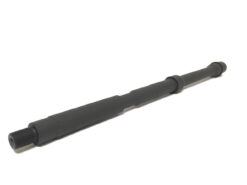
What Makes an Aftermarket Part a Real Upgrade?
A real upgrade should improve something you can identify.
It might improve ergonomics. It could reduce weight. It may provide greater durability, easier manipulation, more consistent operation, or features that better suit the rifle’s intended use.
If you cannot explain what the new component improves, it may not actually be an upgrade.
For example, anodized AR15 parts and colored AR15 parts can completely change a build’s appearance. Cosmetic customization is fine, but changing color alone shouldn’t be mistaken for performance improvement.
When considering aftermarket AR-15 Parts, ask yourself three basic questions:
- What problem am I trying to solve?
- How will this component solve that problem?
- Is the improvement worth the additional cost?
Those questions can prevent unnecessary purchases and help you focus your budget on components that provide noticeable benefits.
Why New Builders Should Not Upgrade Everything Immediately
One of the easiest mistakes to make is replacing multiple factory components before using the rifle enough to understand what needs improvement.
That can become expensive quickly.
It can also make diagnosing problems more difficult. If you replace five different components at once and the rifle starts behaving differently, it becomes much harder to identify which component caused the change.
A better strategy is to spend some time using the rifle first.
Pay attention to comfort, controls, trigger feel, balance, weight, and overall handling. Once you understand what you like and dislike, you can make more informed decisions about which AR-15 Parts are worth replacing.
Upgrading one component at a time also gives you a clearer idea of whether the change actually improved the rifle.
AR-15 Lower Parts: Where Upgrades Can Matter
The lower receiver contains several components that directly affect how the rifle feels and operates.
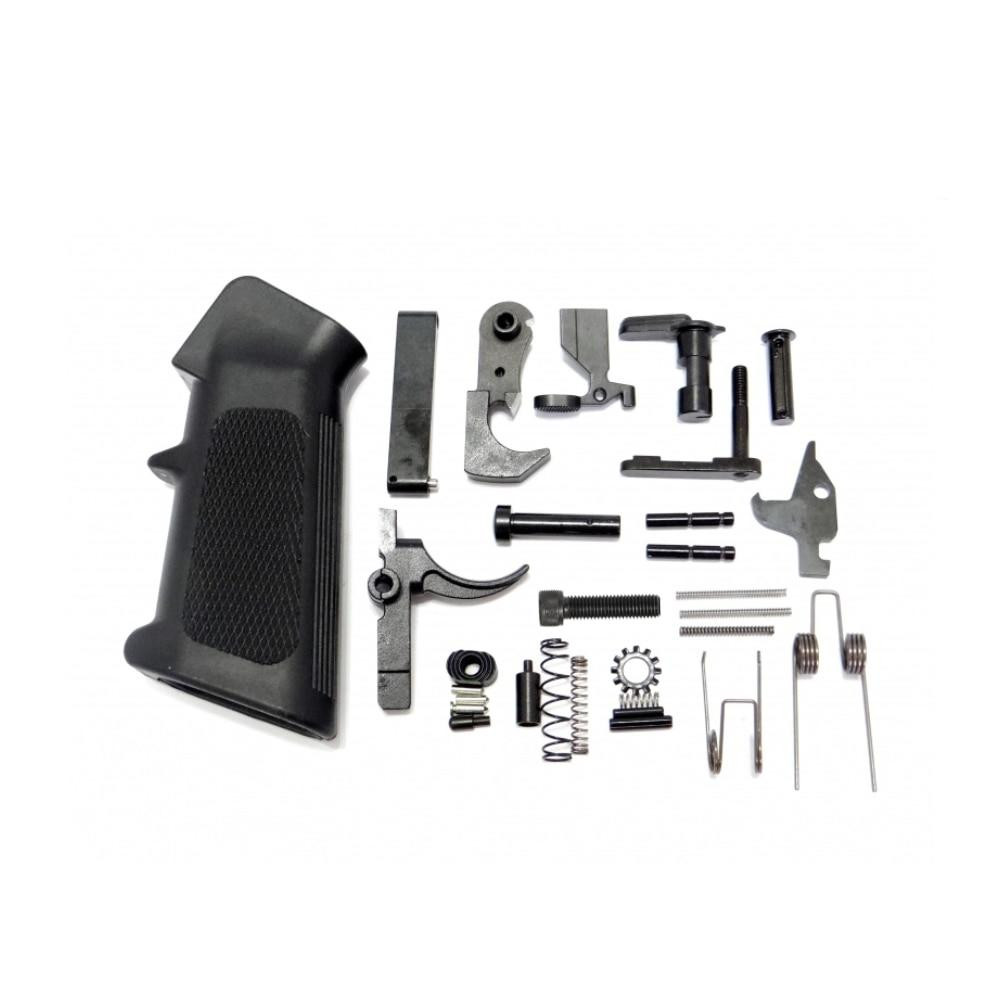
When shopping for AR15 lower parts, you may encounter everything from complete kits to individual springs, pins, controls, triggers, selectors, and other components.
For first-time builders, an AR15 lower parts kit is often the simplest way to obtain the small components required for assembly.
However, not every kit is identical.
The best AR15 lower parts kit for your build depends on your goals. Some kits include a basic trigger and grip, while others exclude those components so the builder can select them separately.
When comparing lower AR-15 Parts, pay attention to:
- Material quality
- Manufacturing consistency
- Included components
- Compatibility
- Brand reputation
- Whether the kit includes components you actually intend to use
Spending slightly more on a well-made kit may be worthwhile, especially when it includes small components that are critical to proper function.
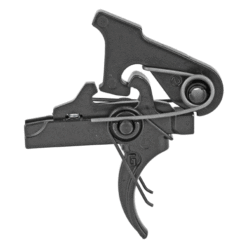
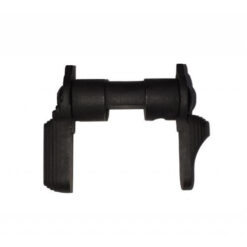

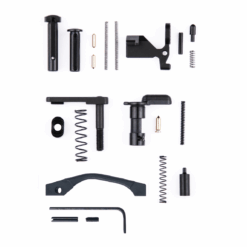
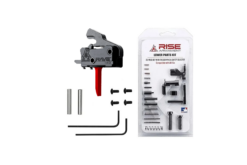
AR-15 Upper Parts and Where Quality Matters
Upper receiver components can have a major influence on performance, durability, and reliability.
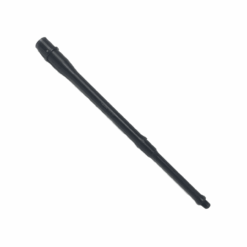
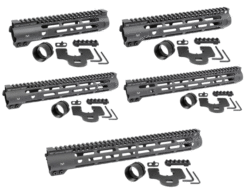
AR15 upper parts include a wide range of components, including receivers, barrels, handguards, gas system components, muzzle devices, charging handles, and internal hardware.
New builders should avoid assuming that the most expensive component is automatically the best.
Instead, evaluate components based on their intended use.
A rifle intended for casual range use may not need the same setup as one designed around low weight or greater precision. The best AR-15 parts match the build’s purpose.
Compatibility matters most with upper components. Check dimensions, gas system configuration, barrel specifications, handguard compatibility, and other factors before purchasing.
When Trigger Upgrades Make Sense
The trigger is one area where many shooters can notice a difference right away.
Factory triggers are often designed around reliability and general-purpose use. They may have heavier pull weights or more noticeable travel than some aftermarket alternatives.
Upgrading AR15 trigger parts can provide a cleaner, more predictable feel, depending on the component you choose.
However, choose a trigger upgrade carefully.
Consider:
- Pull characteristics
- Intended use
- Manufacturer reputation
- Compatibility
- Reliability
- Installation requirements
A lighter or more refined trigger is not automatically better for every application.
For a new builder, it is often worth using the factory trigger first. That gives you a baseline for comparison before investing in more specialized AR-15 Parts.
Cheap AR-15 Parts vs. Premium Components
Price is one of the most confusing parts of building a rifle.
Cheap AR15 parts aren’t always bad, and premium parts aren’t always necessary.
Price can reflect many factors, including materials, machining, coatings, manufacturing location, branding, quality control, and specialized features.
The key is understanding what you are paying for.
For example, a higher-priced component may use a more expensive material or manufacturing method. That can be worthwhile if it produces a meaningful benefit. On the other hand, paying extra for a feature you will never use may not make sense.
When comparing discount AR15 parts with premium alternatives, focus on specifications and reputation, not price alone.
Well-priced AR-15 Parts can still provide excellent value when they come from reputable manufacturers and meet your build requirements.
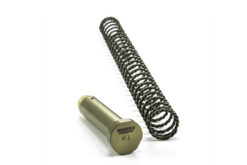
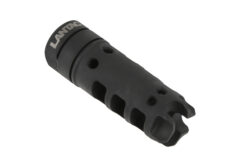
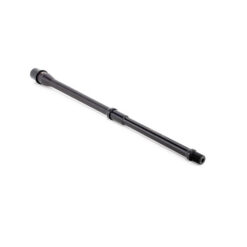
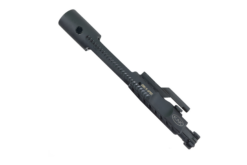
Are AR-15 Parts Clearance Deals Worth Considering?
AR15 parts clearance sections can be a good place to find value, but shoppers should still pay attention to the specific component.
A clearance price does not automatically indicate poor quality.
Products may be discounted because:
- A manufacturer introduced an updated version
- A particular color is being discontinued
- The retailer has excess inventory
- Packaging changed
- Demand shifted
- A model is being phased out
If the component is compatible with your rifle and meets your needs, clearance AR-15 Parts may offer excellent value.
The key is to avoid buying something solely because it’s cheap.
A part you do not need is still unnecessary, even when it is heavily discounted.
Cosmetic AR-15 Parts vs. Functional Upgrades
Customization is a major part of the AR platform’s appeal.
Builders can choose from different finishes, colors, materials, shapes, and styles.
Anodized and colored AR15 parts are popular options for builders who want a distinctive look. Custom AR15 parts can also help create a rifle that feels unique.
Cosmetic customization is fine.
However, new builders should separate appearance from performance when setting a budget.
If reliability and functionality are the priorities, spend money on quality functional AR-15 Parts first. You can always add cosmetic changes later.
This approach helps ensure the rifle performs well before you spend more on appearance.
When Lightweight Parts Are Worth the Extra Cost
Weight reduction is another common reason for choosing aftermarket components.
Titanium AR15 parts and other lightweight materials may reduce overall rifle weight, but they often come with a significant price premium.
The question is whether the savings actually matter.
If your rifle is already relatively light and you primarily use it from a bench, paying substantially more to remove a small amount of weight may provide little practical benefit.
On the other hand, weight reduction can become more valuable when the goal is to build the lightest practical setup possible.
Before buying lightweight AR-15 Parts, compare the actual weight difference.
Sometimes a component that costs considerably more only saves a fraction of an ounce. Whether that is worthwhile depends entirely on your goals and budget.


Can Aftermarket Parts Reduce Reliability?
Yes, they can.
This does not mean aftermarket parts are unreliable. Many are extremely well made.
The issue is that replacing components introduces new variables.
Parts from different manufacturers may use slightly different tolerances or design features. A component that works perfectly in one configuration may not perform exactly the same in another.
That is one reason careful component selection matters.
When installing aftermarket AR-15 Parts, confirm compatibility and follow the manufacturer’s instructions.
It is also a good idea to make one significant change at a time whenever possible. That makes troubleshooting much easier if something does not perform as expected.
Are Tighter Tolerances Always Better?
“Tighter tolerances” is often used as a selling point, but tighter is not automatically better.
A firearm has multiple components that must work together under heat, carbon buildup, lubrication changes, and repeated use.
A component manufactured too tightly for the surrounding parts may create fitment problems or reduce tolerance for debris and fouling.
Proper tolerances matter more than simply having the tightest possible fit.
When choosing premium AR-15 Parts, look for manufacturers that emphasize consistent manufacturing and compatibility instead of focusing only on how tight a component is.
Should You Buy AR-15 Parts Individually or as a Kit?
Both approaches have advantages.
A complete parts kit can be convenient for a new builder because it includes several components in one package.
Buying individual parts gives you more control over exactly which components go into the rifle.
An AR15 lower parts kit is especially useful when completing a lower receiver because it simplifies sourcing many of the small springs, pins, and hardware required for assembly.
More experienced builders may prefer buying individual components so they can choose specific controls or internal parts.
The same idea applies when shopping for AR-15 Parts and accessories in general: kits are convenient, while individual components offer more customization.
Why Spare Parts Are Worth Having
Not every purchase needs to be an upgrade.
Sometimes the smartest purchase is simply a replacement.
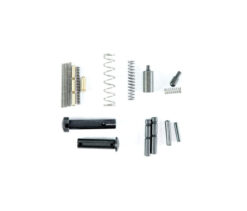
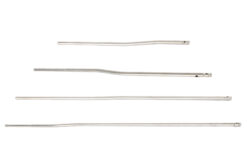
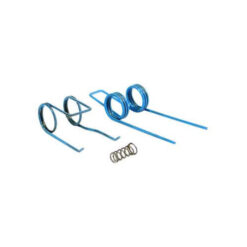
A spare parts kit for an AR-15 setup can be useful for owners who use their rifles regularly.
Small components can wear out, get damaged, or simply disappear during cleaning or maintenance. Having replacements available can save time later.
Useful spare AR-15 Parts may include small springs, pins, retaining components, and other commonly replaced hardware.
When upgrading a factory component, consider keeping the original part instead of throwing it away.
A factory component that still functions properly can serve as a backup or help with troubleshooting later.

Do Aftermarket Parts Improve Resale Value?
Not necessarily.
Many owners assume that spending hundreds of dollars on upgrades automatically increases the rifle’s resale value by the same amount.
That is rarely guaranteed.
The problem is that aftermarket components are highly personal.
A trigger, stock, handguard, or color scheme that appeals to one buyer may not appeal to another.
Some buyers actually prefer factory configurations.
Premium AR-15 Parts can make a rifle more attractive to certain buyers, but you should generally purchase upgrades because they benefit you rather than because you expect to recover the entire cost later.
Keeping original factory components can also be useful if you ever decide to sell the rifle.
What Specifications Should New Builders Compare?
When shopping for components, comparing specifications is more useful than simply comparing marketing claims.
Depending on the component, you may want to look at:
- Material
- Dimensions
- Weight
- Finish or coating
- Manufacturer
- Compatibility
- Included hardware
- Intended use
- Installation requirements
- Warranty
- Replacement availability
For AR-15 Parts for sale, product descriptions should provide enough information to determine whether a component fits your build.
When information is unclear, take the time to verify compatibility before purchasing.
That small amount of research can prevent assembly frustration.
Best AR-15 Parts: Focus on Your Build, Not Someone Else’s
No single list of the best AR15 parts applies to every rifle.
A component that makes perfect sense for one build may offer little benefit on another.
Instead of copying another builder’s setup, identify your own priorities.
Are you focused on:
- Reliability?
- Lower weight?
- Better ergonomics?
- Easier controls?
- A specific appearance?
- Simplified maintenance?
- Overall value?
Once you answer that question, selecting AR-15 Parts becomes much easier.
The goal should be to build a rifle that works well for you, not to install as many aftermarket components as possible.
Upgrade With a Purpose — Shop AR-15 Parts at Black Rifle Depot
Aftermarket components can absolutely improve a rifle, but the best upgrades are the ones chosen for a specific reason.
You do not need to replace every factory component to build a quality rifle. Start with reliable parts, learn how the rifle functions, and identify the areas you actually want to improve. From there, you can decide whether better ergonomics, reduced weight, customized controls, upgraded internals, or appearance-focused components are worth the investment.
For new builders, patience can save a significant amount of money. Instead of buying every available upgrade immediately, focus on quality, compatibility, and function.
Whether you are looking for an AR15 lower parts kit, AR15 lower parts, AR15 upper parts, replacement components, custom options, discount parts, or spare components, Black Rifle Depot offers a wide selection of AR-15 Parts for builders at every experience level.
Shop AR-15 Parts and AR-15 Parts for Sale at Black Rifle Depot and find the components you need to build, repair, customize, or upgrade your rifle with confidence.
Frequently Asked Questions About OEM and Aftermarket AR-15 Parts
OEM and aftermarket components can confuse first-time builders. These quick answers cover some of the most common questions people have before changing factory components.
How can you tell whether an aftermarket AR-15 part is a real performance upgrade or just a cosmetic change?
Identify what the component changes. If it improves ergonomics, weight, durability, consistency, or functionality, it may offer a performance benefit. Changes involving only color or appearance are primarily cosmetic.
Which factory AR-15 parts are usually worth keeping instead of upgrading?
Any quality factory component that works reliably and meets your needs is worth keeping. You have little reason to replace a functioning part unless the replacement offers a specific benefit.
Can aftermarket AR-15 parts reduce the reliability of an otherwise reliable factory rifle?
Yes. Compatibility problems, poor-quality components, or stacking several changes can introduce issues not present in the original configuration.
Does installing aftermarket AR-15 parts affect the manufacturer’s warranty?
Potentially. Warranty policies differ by manufacturer, so review the company’s terms before making modifications.
Are tighter tolerances on aftermarket AR-15 parts always better than OEM tolerances?
No. Proper fit and reliable function matter more than simply being tighter. Excessively tight tolerances can sometimes create compatibility problems.
What specifications should you compare when choosing between OEM and aftermarket AR-15 parts?
Compare material, weight, dimensions, finish, compatibility, manufacturing quality, included hardware, intended use, warranty, and manufacturer reputation.
Is it better to upgrade an AR-15 one part at a time or replace several factory components at once?
Changing one component at a time is generally easier for evaluating performance and troubleshooting compatibility issues.
Do aftermarket AR-15 parts increase the resale value of a rifle?
Not necessarily. Buyers may value upgrades differently, and money spent on modifications doesn’t always translate directly into a higher resale price.
When does paying extra for lightweight aftermarket AR-15 parts actually make sense?
Lightweight components make the most sense when reducing total rifle weight is a major goal, and the weight savings justify the additional cost.
For additional support and online deals, check out our X Page.
