
AR-15 Parts
AR-15 Grip Angle Explained: How 15°, 17°, and Vertical Grips Affect Your Shooting
Jun
Table of Contents
Choosing the right AR-15 grip setup is about more than looks. Grip angle can change how your wrist sits behind the trigger, how naturally your rifle points, and how comfortable the gun feels during long-range sessions. Whether you are building a general-purpose rifle, a compact AR pistol, a precision setup, or a fast-handling carbine, the angle of your grip can make a noticeable difference.
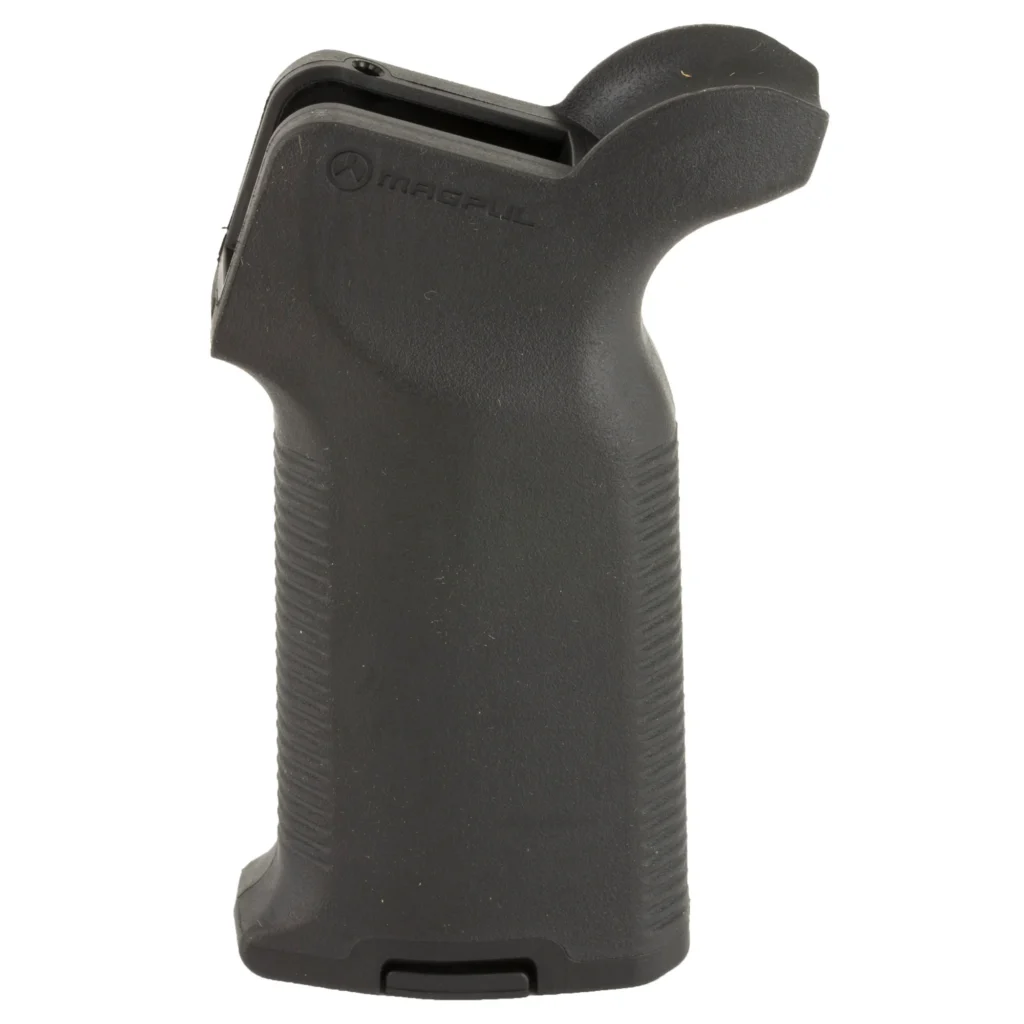
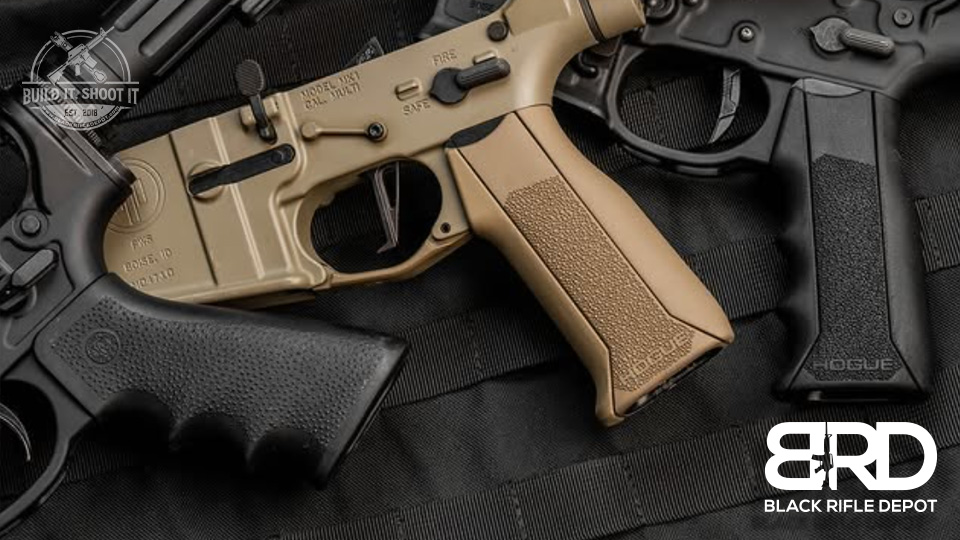
Traditional AR-15 pistol grip designs often use a more swept-back angle, similar to the original A2 grip. That style still works well for many shooters, especially when shooting from a bladed stance or using a longer rifle stock position. However, modern shooting has changed. Many shooters now use more squared-up stances, shorter stocks, plate carriers, red dots, magnifiers, and shorter-barreled builds. As a result, steeper grip angles https://blackrifledepot.com/ar-15-lower-parts/ar-15-hand-grips/such as 15°, 17°, and vertical grips, have become more popular.
This guide breaks down how grip angle affects comfort, control, recoil management, trigger reach, and shooting style, so you can choose the best AR-15 pistol grip, AR-15 handgrip, or AR-15 vertical grip for your setup.
What Is AR-15 Grip Angle?
Grip angle refers to how far the pistol grip leans rearward from a vertical position. A traditional A2-style grip has a more rearward rake, while modern grips are usually straighter and more vertical.
A more angled grip places the wrist in a position that can feel natural with the elbow dropped and the rifle extended farther out. A steeper grip keeps the wrist more upright, which often feels better when the stock is collapsed, the shooter is squared up to the target, or the rifle is used in tighter spaces.
This matters because your firing hand controls more than just the trigger. It affects your ability to maintain a consistent grip, keep the rifle stable, manage recoil, and place your finger correctly on the trigger.
Common AR-15 Grip Angles
Most modern AR-15 grips fall into a few general categories. Exact angles vary by manufacturer, but the table below gives a useful comparison.
| Grip Style | Common Angle | Best For | Main Benefit | Possible Drawback |
|---|---|---|---|---|
| Traditional A2-style grip | Around 25° or more | Classic rifles, longer stocks, bench shooting | Familiar feel and relaxed wrist with extended stock | Can feel awkward with short stocks or squared stance |
| 17-degree grip | Around 17° | General-purpose rifles, carbines, mixed shooting | Balanced comfort and modern ergonomics | May not feel vertical enough for very compact builds |
| 15-degree grip | Around 15° | AR pistols, SBR-style builds, close-range carbines | More upright wrist and better control in compact positions | May feel too steep for traditional rifle stances |
| Vertical grip | Very steep/upright | Short rifles, tactical setups, modern squared stance | Reduces wrist strain with collapsed stock | Not always ideal for prone or long-stock shooting |
| AR-15 front grip / foregrip | Varies by design | Support-hand control | Better indexing, pull-back control, and handling | Must match rail type and intended use |
15° AR-15 Grips
A 15-degree AR grip is one of the more popular choices for modern rifles and AR pistols. It puts the firing hand in a more upright position, which can reduce wrist strain when the stock is shorter or when the shooter stands more square to the target.
This grip angle works well for compact builds because the shooter’s arm is usually tucked closer to the body. With a traditional swept grip, the wrist can feel bent or strained. A 15° grip helps keep the wrist straighter, making it easier to maintain consistent pressure and trigger control.
A 15-degree ar 15 pistol grip is a strong option for:
- AR pistols
- Short-barreled rifles
- Home-defense-style carbines
- Squared-up shooting stances
- Shooters who run shorter stock positions
- Fast target transitions
The main tradeoff is that a very steep grip may feel less natural if you shoot with the stock fully extended or spend most of your time shooting prone or from a bench.
17° AR-15 Grips
A 17-degree grip is a great middle ground. It is steeper than a traditional A2 grip but not quite as vertical as some modern tactical grips. For many shooters, this is the sweet spot.
A 17° grip works well on general-purpose rifles because it offers modern ergonomics without feeling too aggressive. It can improve wrist comfort during standing, kneeling, and supported shooting while still feeling natural from a bench or prone position.
This makes it a good choice for shooters who want one rifle to do several jobs. If you are not sure whether you want a 15° or vertical grip, a 17° grip is often the safer starting point.
A 17-degree grip is ideal for:
- General-purpose AR-15 builds
- Range rifles
- Defensive carbines
- Mixed-position shooting
- Shooters transitioning from an A2-style grip
- Builds with adjustable stocks
Vertical AR-15 Grips
A vertical AR-15 grip keeps the hand in a very upright position. This can be especially useful on short rifles, AR pistols, or rifles with collapsed stocks. When the gun is close to the body, a vertical grip can help keep the wrist straight and reduce fatigue.
There are two common ways people talk about vertical grips. One is the firing-hand pistol grip, which replaces the standard rear grip. The other is the ar 15 front grip, also called a foregrip, which mounts to the handguard.
A vertical rear grip helps with firing-hand comfort and trigger reach. A vertical front grip helps the support hand control the rifle. Both can improve handling, but they serve different purposes.
An AR-15 MLOK or AR-15 forward grip can help the shooter pull the rifle back into the shoulder, index the support hand consistently, and control movement during transitions. Some shooters prefer a full AR-15 vertical grip, while others prefer a shorter grip, handstop, or angled foregrip.



Does Grip Angle Affect Recoil Control?
Grip angle does not reduce recoil by itself the way a muzzle brake, buffer system, or gas adjustment can. However, it can help the shooter control recoil more consistently.
If the grip angle allows your wrist, hand, and trigger finger to sit naturally, you can maintain better pressure on the rifle. That can make the gun feel flatter and easier to manage. A poor grip angle can force your wrist into an awkward position, leading to inconsistent pressure and slower follow-up shots.
For fast shooting, a steeper grip often helps by supporting a more aggressive, squared stance. For precision shooting, the best grip is the one that allows a relaxed firing hand and a clean trigger press.
Grip Angle and Trigger Reach
Trigger reach is one of the most overlooked parts of choosing AR-15 Grips. The angle, thickness, and shape of the grip all affect where your trigger finger lands.
If the grip is too swept back or too large, your finger may sit too far from the trigger. If the grip is too steep or too narrow, your finger may sit too deep on the trigger. Either problem can make it harder to press the trigger straight to the rear.
Shooters with smaller hands may prefer a slimmer grip with a more vertical angle. Shooters with larger hands may prefer a grip with more palm swell or a longer beavertail. This is where options like ergo grips for ar 15 can make a difference, because they are often designed for comfort, hand fit, and improved control.
Rear Grip vs. Front Grip
When shopping for AR-15 accessories, it is important to understand the difference between a rear grip and a front grip.
The rear grip is the AR-15 grip handle, or pistol grip, that your firing hand uses. This is where grip angle matters most for wrist comfort, trigger reach, and control.
The front grip mounts to the handguard and is used by your support hand. This can include an ar 15 front grip, ar 15 forward grip, AR-15 forward grip MLOK, angled foregrip, hand stop, or vertical foregrip. These accessories help with support-hand placement, leverage, and rifle control.
A good front grip can make the rifle easier to drive between targets. A good rear grip can make the rifle easier to shoot accurately and comfortably. The best setup uses both in a way that fits your stance, hand size, rail length, and shooting purpose.
What About Skeleton AR-15 Grips?
A skeleton ar 15 grip is often chosen for weight savings and appearance. These grips can look great on lightweight builds, competition rifles, or custom ARs. However, comfort depends heavily on the design.
Some skeleton grips feel excellent and provide enough surface area for good control. Others may feel too thin or sharp during long shooting sessions. If you are building a rifle that will see regular range use, make sure the grip still provides enough texture, support, and hand comfort.
For a display build or lightweight rifle, a skeleton grip can be a good choice. For hard use or extended training, comfort and control should come before appearance.
How to Choose the Right AR-15 Grip Angle
The best grip angle depends on how you shoot and how your rifle is set up.
If you shoot with a modern squared stance, run a shorter stock, or use a compact rifle, a 15° or vertical grip will usually feel better. If you shoot from several positions and want a single grip that handles everything well, a 17° grip is a strong choice. If you prefer a classic rifle feel or shoot mostly from the bench with the stock extended, a traditional grip angle may still work fine.
Also consider your hand size, trigger reach, texture preference, and whether you wear gloves. A grip that feels great to one shooter may not fit another shooter the same way.
Adjustable AR-15 Grips: Fine-Tune Your Grip Angle
Adjustable AR-15 grips are a good option for shooters who are unsure whether they prefer a 15°, 17°, or more vertical grip angle. Instead of being locked into one position, an adjustable grip lets you fine-tune the angle to match your wrist, stock length, stance, and shooting style.
This is especially useful if you use different shooting positions or run multiple AR setups. A steeper angle may feel better on an AR pistol or compact carbine, while a slightly more relaxed angle may work better for bench, prone, or precision shooting.
For new builders, an adjustable AR-15 pistol grip makes it easier to test what feels best before committing to a single fixed grip style. It adds comfort, flexibility, and better ergonomics to your build.
FAQ: AR-15 Grip Angles
What is the best AR-15 grip angle for modern shooting stances?
For modern squared-up shooting stances, a 15° or 17° grip is usually a strong choice. These steeper angles help keep the wrist more upright when the stock is collapsed, or the rifle is held closer to the body.
How does a vertical AR-15 grip angle improve wrist comfort and control?
A vertical grip angle reduces the amount of rearward wrist bend. This can make the rifle more comfortable to hold, especially during extended shooting or when using a compact setup.
What’s the difference between a 15-degree and 17-degree AR grip?
A 15° grip is slightly steeper and more vertical, making it popular for AR pistols and short carbines. A 17° grip is a little more relaxed and works well for general-purpose rifles.
Are vertical AR-15 grips better for short-barreled rifles and AR pistols?
In many cases, yes. Shorter builds are often shot with the stock or brace closer to the body, and a vertical grip can keep the wrist in a more natural position.
Does grip angle affect recoil control on an AR-15?
Grip angle does not mechanically reduce recoil, but it can improve the shooter’s ability to manage it. A comfortable grip helps maintain consistent pressure and better follow-up shot control.
Why are more shooters switching to steeper AR-15 grip angles in 2026?
More shooters are using compact rifles, AR pistols, shorter stock positions, optics, and squared-up shooting stances. Steeper grips fit these modern setups better than older swept-back grip designs.
Which AR-15 grip angle is best for precision shooting vs. tactical shooting?
For precision shooting, choose a grip that supports a relaxed hand and clean trigger press. For tactical or fast-paced shooting, a 15° or vertical grip often works better with aggressive stances and quick transitions.
Can changing your AR-15 grip angle improve trigger reach and ergonomics?
Yes. Grip angle, thickness, and shape all affect where your finger lands on the trigger. The right grip can make the rifle feel more natural and improve trigger control.
Do military and law enforcement shooters prefer vertical AR grips?
Many military and law enforcement users favor steeper or more vertical grips on modern carbines, especially when wearing body armor, using shorter stocks, or adopting squared shooting stances. Preference still depends on mission, training, and individual fit.
How do you choose the right AR-15 grip angle for your shooting style and build setup?
Start with your rifle type and shooting stance. Choose a 15° or vertical grip for compact, close-range, or modern stance shooting. Choose a 17° grip for a balanced all-around setup. Consider a traditional grip angle if you shoot mostly from a bench or in a longer-stock position.
Final Thoughts
The right AR-15 grip angle can make your rifle feel more natural, comfortable, and controllable. A 15° grip is excellent for compact builds and modern shooting stances. A 17° grip offers a versatile middle ground for general-purpose rifles. Vertical grips can help with wrist comfort, especially on AR pistols, short-barreled setups, and rifles with shorter stock positions.
The best option comes down to how you shoot, how your rifle is configured, and what feels right in your hand. Whether you need an ar 15 pistol grip, ar 15 hand grip, ar 15 front grip, AR-15 forward grip MLOK, angled foregrip, vertical grip, or ergonomic upgrade, choosing the right grip can make your rifle easier to control and more enjoyable to shoot.
Shop AR-15 grips, angled foregrips, vertical foregrips, and other rifle accessories at Black Rifle Depot to find the right setup for your next build.
For additional resources, check out our X Page.
