
AR-15 Lower Build Kits, AR-15 Parts
9 Common AR-15 Lower Build Kit Mistakes: How to Avoid Them
Jul
Table of Contents
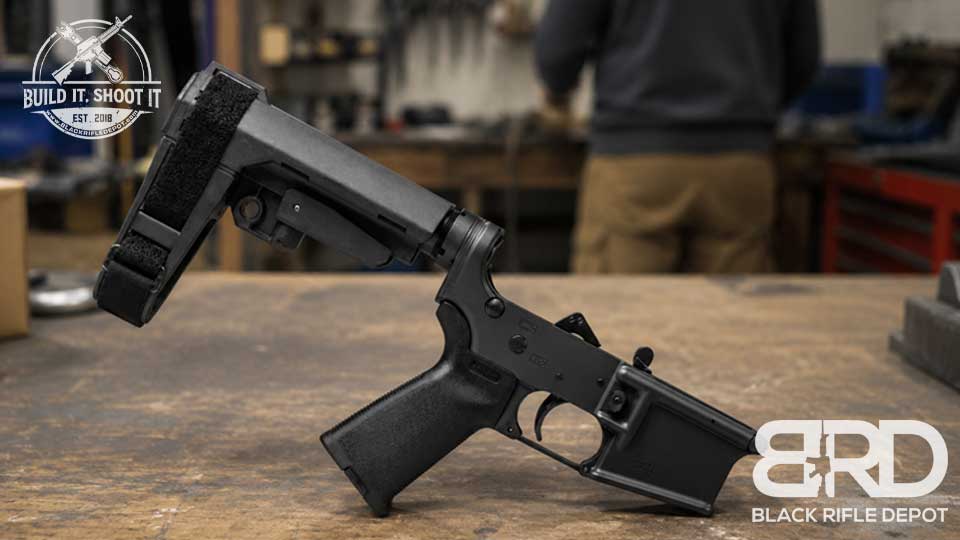
Building an AR-15 lower receiver gives you control over the rifle’s trigger, controls, grip, stock, buffer system, and overall handling. However, choosing an AR-15 Lower Build Kit involves more than just finding a package at the right price or with the most components.
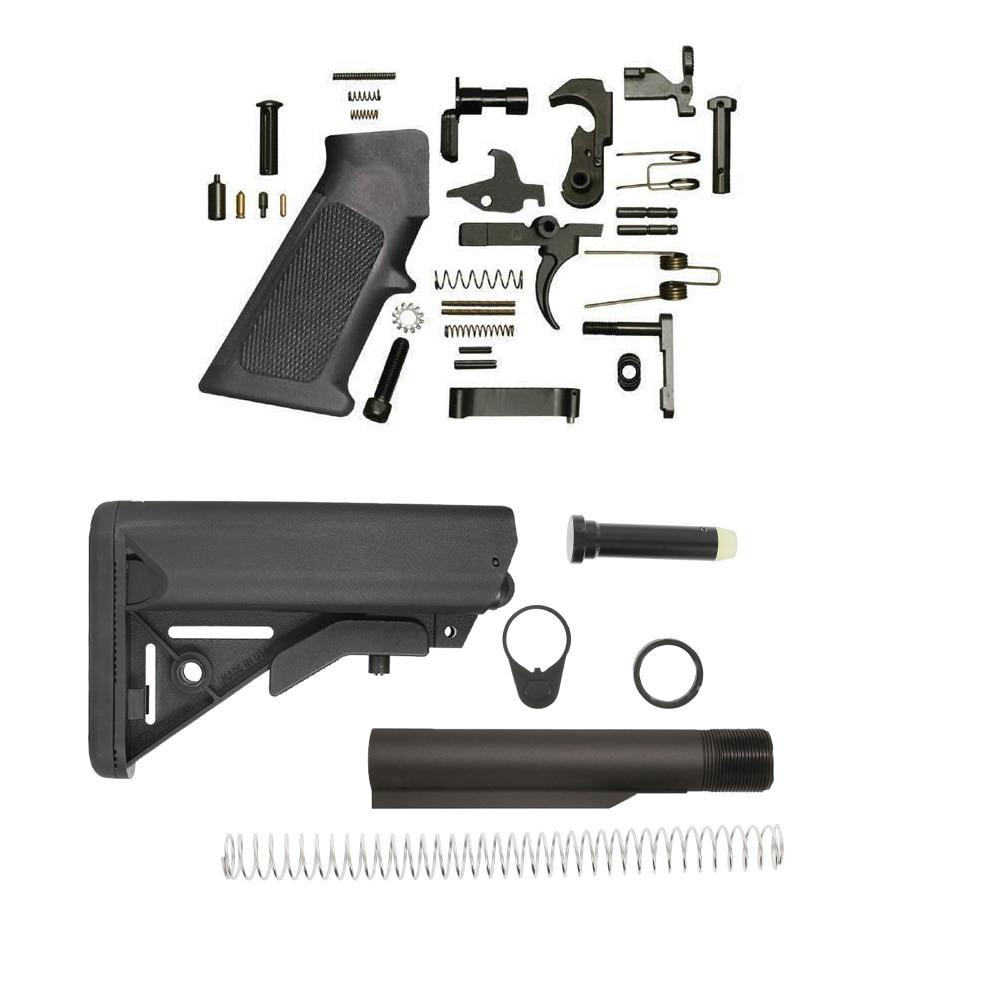
Lower build kits are not standardized. One kit may include only the lower parts, while another may add a grip, trigger, buffer tube, buffer, spring, stock, or brace. Differences in component quality and compatibility can also affect reliability, safety, and the final cost of the project.
Before purchasing or assembling anything, confirm that the parts match your receiver, intended configuration, and applicable laws. The following mistakes are among the most common problems buyers encounter.
1. Assuming Every Lower Build Kit Includes the Same Parts
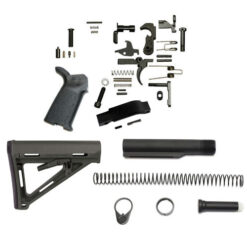
The term “lower build kit” does not refer to a single standardized package. Some kits include a traditional lower parts kit, grip, and buffer assembly. Others may include a stock, upgraded trigger, ambidextrous controls, or only selected components.
Always review the complete contents rather than relying on the product title. Pay particular attention to whether the package includes:
- Fire-control components
- Safety selector
- Bolt catch and magazine catch
- Takedown and pivot-pin components
- Grip and grip hardware
- Receiver extension
- Buffer and action spring
- End plate and castle nut
- Stock or brace
Compare the kit contents with the parts you already own to avoid ordering duplicates or overlooking a necessary component.
2. Buying an AR-15 Lower Build Kit Before Choosing the Configuration
A common mistake is purchasing an AR-15 Lower Build Kit before deciding what the completed rifle is supposed to do. A lightweight recreational rifle, precision-oriented build, compact configuration, and general-purpose carbine may benefit from different triggers, grips, stocks, and buffer components.
Choosing the final configuration first helps determine whether a basic AR-15 Lower Build Kit is sufficient or whether separately selected upgraded components would provide better value.
3. Overlooking Lower-Receiver Compatibility
Most components in an AR-15 Lower Build Kit are designed to fit conventional AR-15 receiver dimensions, but compatibility should never be assumed. Billet receivers, integrated trigger guards, proprietary controls, and caliber-specific lowers may have different requirements.
Review the receiver manufacturer’s specifications before selecting an AR-15 Lower Build Kit, especially when working with an ambidextrous, billet, or pistol-caliber receiver.
4. Choosing an AR-15 Lower Build Kit Based Only on Price
An inexpensive AR-15 Lower Build Kit may be suitable for a basic project, but price alone does not show whether the small parts are consistently manufactured, properly finished, or appropriate for the intended use.
Compare the materials, finishes, included components, manufacturer reputation, and intended application before selecting an AR-15 Lower Build Kit.


5. Mixing Components Without Confirming Compatibility
Customizing a lower often involves combining a kit with a separate trigger, grip, selector, stock, or buffer system. That can yield better results, but each change introduces another compatibility consideration.
An aftermarket trigger may have specific safety-selector requirements. A grip must provide the correct clearance for the safety detent spring. A receiver extension must match the intended stock type, and the buffer components must be suitable for the operating system.
Before combining products from several manufacturers, check the specifications and installation documentation for every major component.
6. Selecting the Wrong Receiver Extension or Stock Type
Carbine and rifle receiver-extension systems use different tubes, buffers, and springs. Stocks are also designed for specific receiver-extension patterns.
Even within adjustable carbine systems, commercial-spec and mil-spec-diameter components are not necessarily interchangeable. A stock designed for one tube diameter may fit poorly or not fit at all on another.
Treat the receiver extension, action spring, buffer, and stock as one coordinated system rather than four unrelated purchases.
7. Ignoring the Buffer System
The buffer system is sometimes treated as an afterthought, but it influences cycling, recoil feel, component movement, and overall reliability.
The correct buffer setup depends on factors that include barrel length, gas-system configuration, ammunition, bolt-carrier mass, and whether the firearm uses a conventional direct-impingement system or a different operating design.
Heavier is not automatically better, and lighter is not automatically faster. Use a configuration recommended for the rifle’s operating system and adjust only when there is a clear reason to do so.
8. Using Improvised Tools or Forcing Components
Lower receivers contain several small components that can be lost, damaged, or installed incorrectly. Forcing a component that does not align can damage the part, receiver, or finish.
Use the proper support fixtures and correctly sized tools. Keep the work area organized, protect the receiver’s finish, and stop when a part requires excessive force.
A qualified gunsmith should inspect or complete the work when components do not fit as expected. Forcing a questionable installation can turn an inexpensive parts issue into a damaged receiver.
9. Skipping the Final Safety and Function Inspection
A completed lower should not be considered ready merely because every part appears to be installed. The safety selector, trigger, disconnector, magazine catch, bolt catch, takedown pins, and stock or brace should all operate correctly.
The firearm must remain unloaded during inspection. Follow the component manufacturers’ procedures and have a qualified gunsmith examine the assembly whenever there is uncertainty about trigger engagement, selector operation, component retention, or general safety.
Do not attempt to fire a rifle when its controls do not function exactly as intended.
How to Choose the Right AR-15 Lower Build Kit
Start by identifying what you already own and what the finished rifle requires. Then compare each kit based on:
- Exact included components
- Receiver compatibility
- Trigger type
- Grip and stock preferences
- Receiver-extension configuration
- Buffer and spring specifications
- Manufacturer support
- Total cost after planned upgrades
A complete bundle can offer excellent value when all included components are used. A smaller kit may be the better purchase when you already plan to install an upgraded trigger, ambidextrous controls, or a specialized buffer system.
Lower Build Kit or Individual Components: Which Is Better?
An AR-15 Lower Build Kit is often the most convenient option for a new project because it bundles several compatible components into a single purchase. It can also reduce the chance of forgetting small springs, detents, pins, or receiver-extension hardware.
However, a complete kit is not automatically the best value. If you already plan to replace the included trigger, grip, safety selector, or stock, you may end up paying for parts that never get used. In that situation, purchasing a basic lower parts kit and selecting the remaining components individually may produce a better final setup.
Compare the price of the complete package with the combined cost of the parts you actually want. The better option is the one that minimizes unused components while still providing everything needed for the planned configuration.
What to Check Before Ordering a Lower Build Kit
Before placing an order, create a simple parts checklist based on the lower receiver and final firearm configuration. Confirm the receiver type, trigger preference, grip style, receiver-extension system, buffer components, and stock or brace requirements.
Review the product photos and written content separately. Photos may show assembled examples or optional accessories that are not included in the package. The written parts list should be treated as the primary reference.
It is also helpful to confirm whether small but necessary items are included, such as the grip screw, trigger guard hardware, castle nut, end plate, buffer retainer, and associated springs. These inexpensive components can still delay a project when they are missing.
When Is an Upgraded Lower Build Kit Worth It?
An upgraded kit may be worthwhile when its premium components directly support the rifle’s intended use. A cleaner trigger may benefit a precision-oriented setup, while ambidextrous controls may improve access for left-handed shooters or users who operate the rifle from either shoulder.
Enhanced grips, oversized controls, and upgraded takedown pins can also improve comfort or convenience. However, more expensive does not always mean more appropriate. A straightforward mil-spec-style kit may be the better choice for a basic recreational rifle, spare lower, or budget-conscious project.
Evaluate each upgraded component individually. A premium bundle offers good value only when the included parts are compatible, useful, and unlikely to be replaced immediately.
Build a Better Foundation with the Right Components
Avoiding lower-build mistakes begins before the first component is installed. Define the rifle’s purpose, compare the exact package contents, verify compatibility, and choose components that work together as a complete system.
Shop AR-15 Lower Build Kits at Black Rifle Depot to compare convenient packages for new builds and lower-receiver upgrades. Review the included parts and product specifications to find a kit that matches your receiver, configuration, and performance goals.
Frequently Asked Questions About AR-15 Lower Build Kits
The following answers address several common questions buyers have when comparing lower-build kits and individual components.
Does an AR-15 Lower Build Kit include the lower receiver?
Usually not. The serialized lower receiver is commonly sold separately, but package contents vary. Read the listing carefully to confirm exactly what is included.
What is included in a complete AR-15 Lower Build Kit?
Contents vary by manufacturer. A complete kit may include the lower parts kit, trigger, pistol grip, receiver extension, buffer, action spring, castle nut, end plate, and stock. Always review the complete parts list before ordering.
Is a lower build kit the same as a lower parts kit?
Not always. A lower parts kit generally contains the small internal parts and controls. A lower build kit may add a grip, buffer system, stock, brace, or trigger upgrade.
Should I buy a kit with or without a trigger?
A kit with a standard trigger may provide better value for a basic build. A kit without a trigger can make more sense when you already plan to install a specific aftermarket model.
Can I combine parts from different manufacturers?
Often, but compatibility must be confirmed. Pay close attention to proprietary receivers, triggers, safety selectors, grips, receiver extensions, and buffer components.
Will any AR-15 Lower Build Kit fit any AR-15 lower receiver?
Most standard kits are intended for mil-spec-style AR-15 receivers, but universal fit should not be assumed. Billet, ambidextrous, pistol-caliber, and proprietary receivers may require specialized components.
What is the difference between a mil-spec and an upgraded lower build kit?
A mil-spec-style kit generally uses standard controls and fire-control components. An upgraded kit may include an enhanced trigger, ambidextrous selector, improved grip, extended controls, or upgraded takedown pins.
Do I need a gunsmith to assemble an AR-15 lower?
Some owners complete lower assemblies themselves, but proper tools, technical knowledge, and careful safety checks are essential. A qualified gunsmith is the better option when parts do not fit correctly or the builder is uncertain about installation
For additional resources, check out our X Page.
