
AR-15 Triggers
Mil-Spec AR-15 Trigger Guide: Grit, Pull Weight & Upgrades
Nov
Table of Contents
What Is a Mil-Spec AR-15 Trigger?
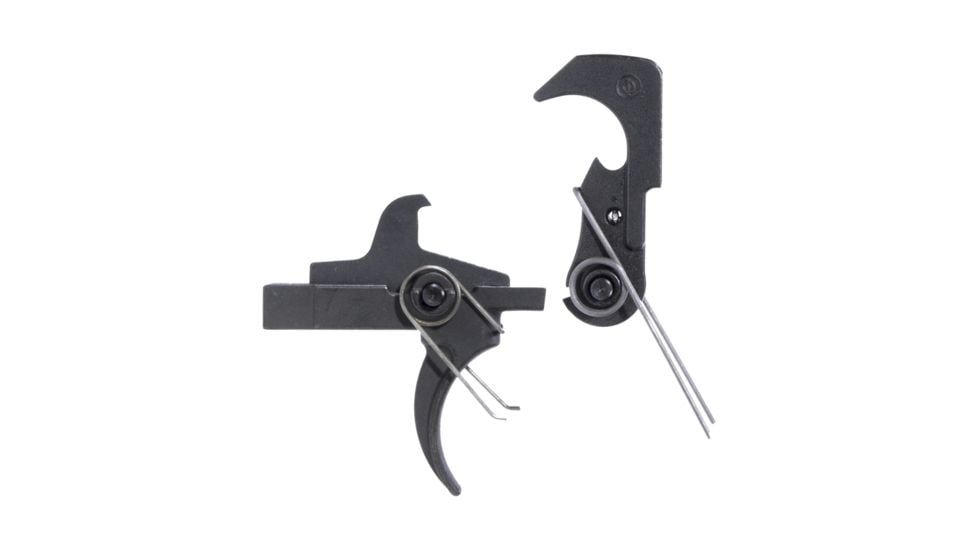
A mil-spec AR-15 trigger is a conventional single-stage fire control mechanism designed around standardized component dimensions and established mechanical operating principles. It uses separate trigger, hammer, and disconnector components that work together to control firing and reset in a semi-automatic rifle. Its familiar construction, serviceability, and availability make it a practical starting point for both factory rifles and custom builds. Although aftermarket designs offer different pull characteristics, the conventional fire control group remains relevant because it provides a straightforward mechanical system without the complexity or expense of specialized alternatives.
What Does Mil-Spec Actually Mean?
The term mil-spec refers to military specifications that define requirements for dimensions, materials, manufacturing, and functional performance. In the commercial AR-15 market, however, manufacturers often use the term to describe components that follow military-pattern dimensions rather than parts that have undergone complete military qualification testing. This distinction matters because two products labeled mil-spec can differ in their materials, heat treatment, surface finish, and manufacturing consistency. The terminology establishes a design reference, but it does not guarantee identical quality or performance across every manufacturer.
I consider the actual manufacturing specifications more valuable than the mil-spec label alone. A properly manufactured conventional trigger can offer consistent operation and a predictable break, while another product with the same description can exhibit more noticeable creep or roughness. Standardized dimensions also support compatibility across many conventional AR-15 receivers, although interchangeability still depends on the individual components and receiver specifications. When comparing products, I would rather see documented materials, finishes, and compatibility information than broad claims about military-grade performance.
Typical Mil-Spec Trigger Specifications
A conventional mil-spec AR-15 trigger uses a single-stage design with a curved trigger shoe, hardened steel components, and separate operating springs. Phosphate or Parkerized finishes are common, providing corrosion protection while maintaining the traditional appearance of standard fire control parts. Most modern AR-15 lower receivers use approximately 0.154-inch trigger and hammer pins, commonly identified as small pins. Certain older Colt commercial receivers use larger pins measuring about 0.169 to 0.170 inches, so confirm receiver compatibility before selecting replacement components.
The standard AR trigger pull is commonly around 5.5 to 8.5 pounds, though that figure isn’t a universal specification for every commercial product. The actual pull depends on the manufacturer’s design, springs, engagement geometry, and production tolerances. From my perspective, these characteristics explain why conventional fire control groups remain useful despite refined aftermarket alternatives. They establish a familiar operating baseline, making it easier to evaluate whether a different trigger design offers an improvement that matters for the rifle’s intended purpose.
Parts of the AR-15 Trigger Group
The AR-15 trigger group consists of several interconnected components responsible for hammer retention, release, and reset. The trigger, hammer, and disconnector form the central mechanism, while the associated springs provide the forces required for operation. Two retaining pins secure the trigger and hammer within the lower receiver and allow them to pivot. Understanding these components matters when evaluating a replacement because not every product listing includes a complete fire control assembly. Some manufacturers sell individual replacement parts, while others supply complete groups with the necessary springs and pins.
| Component | Primary function |
|---|---|
| Trigger | Controls hammer release through its engagement surfaces. |
| Hammer | Strikes the firing pin when released, using energy supplied by the hammer spring. |
| Disconnector | Temporarily holds the hammer during cycling until the trigger resets. |
| Trigger spring | Provides trigger return tension and contributes to pull resistance. |
| Hammer spring | Supplies the force required to drive the hammer forward. |
| Disconnector spring | Maintains the disconnector’s operating tension. |
| Trigger pin | Secures the trigger within the lower receiver and provides its pivot point. |
| Hammer pin | Secures the hammer within the lower receiver and provides its pivot point. |
The relationship between these parts determines how the AR-15 trigger mechanism operates. When the hammer is cocked, the trigger’s engagement surface holds it until the shooter presses the trigger far enough to release it. During normal semi-automatic cycling, the disconnector temporarily retains the hammer until the trigger returns forward and the primary engagement surfaces reset. Each component contributes to the mechanical relationship that makes this sequence possible, which is why correct manufacturing dimensions and spring characteristics are essential.
When reviewing an AR-15 trigger assembly, I check whether the manufacturer supplies a complete matched group or individual components intended for use with existing parts. This distinction matters most when comparing conventional replacements with factory-assembled cassette designs. The safety selector also interacts with the trigger mechanism, even though it is commonly sold separately. Anyone unfamiliar with the components can refer to Black Rifle Depot’s AR-15 Parts Diagram and Parts List for a broader explanation of the rifle’s mechanical layout.
Why Does a Mil-Spec Trigger Feel Gritty?
A mil-spec trigger feels gritty when friction and surface irregularities create uneven resistance as the engagement surfaces move against one another. This sensation often appears alongside trigger creep, although the two characteristics are not identical. Grit describes a rough or inconsistent feeling during movement, while creep refers to perceptible movement before the hammer releases. Both characteristics affect how predictable the trigger feels, especially when compared with a refined aftermarket design. Understanding their causes helps distinguish normal characteristics of a conventional trigger from mechanical issues that require professional attention.
Surface Finish and Machining Marks
The condition of the hammer and trigger engagement surfaces directly affects pull smoothness. During manufacturing, machining processes can leave microscopic surface irregularities that create friction when the components move against one another. The extent of these irregularities depends on the equipment, finishing methods, and quality-control standards the manufacturer uses. Conventional phosphate finishes provide corrosion protection, but they aren’t engineered to deliver the same low-friction characteristics as certain enhanced coatings. As a result, two standard trigger groups with similar designs can produce noticeably different sensations during operation.
This is one of the first characteristics I would examine when evaluating the difference between a conventional and enhanced mil-spec-style trigger. A product with more carefully finished engagement surfaces can provide smoother movement without fundamentally changing the mechanism. Manufacturers using nickel-Teflon or other specialized surface treatments use those finishes to address friction and wear. However, a coating alone does not establish the trigger’s pull weight, break consistency, or overall quality. The underlying geometry and manufacturing standards remain equally important.
Sear Engagement and Manufacturing Tolerances
Sear engagement refers to the mechanical contact that retains the hammer until the trigger releases it. The geometry and surface condition of these contact areas influence how much movement the shooter perceives before the break. Conventional fire control groups must maintain secure engagement while operating within their specified manufacturing tolerances. Differences in component dimensions and finishing can affect the final feel, even when every individual part falls within its intended specifications. This helps explain why one standard trigger can feel relatively clean while another has more noticeable creep.
I do not consider every instance of creep evidence of a defective mechanism. A properly functioning trigger can exhibit perceptible movement while maintaining consistent hammer retention and reset. However, you should never dismiss an unpredictable break or inconsistent mechanical operation as an ordinary mil-spec characteristic. Excessive roughness with binding, an unreliable reset, or other functional problems warrant inspection by a qualified gunsmith. Reliability and safe operation are more important than achieving a particular subjective trigger feel.
Heavy Hammer Springs and Reliable Ignition
The hammer spring plays an important role in the resistance felt during a conventional trigger pull. Its primary purpose is to provide enough energy for the hammer to strike the firing pin and support reliable primer ignition. Standard-pattern springs are selected to provide adequate operating force across the ammunition and conditions specified for the firearm. This includes consideration of harder primers found in certain military-pattern ammunition. Spring resistance also affects the forces on the hammer and trigger engagement surfaces, influencing how the trigger feels as pressure increases.
When comparing standard and enhanced designs, I consider reliable ignition more important than simply reducing spring resistance. Manufacturers offering lighter trigger pulls sometimes use different spring specifications, internal geometry, or component designs to achieve their intended characteristics. Evaluate those changes as part of the complete system rather than judging the advertised pull weight alone. An improperly modified spring arrangement can contribute to light primer strikes or unreliable operation. For this reason, spring substitutions and other changes to the fire control mechanism should follow manufacturer requirements or be evaluated by a qualified gunsmith.
Will a Mil-Spec Trigger Smooth Out Over Time?
A conventional trigger can become smoother through normal use as contacting surfaces experience limited wear. Minor surface irregularities can gradually change, reducing some of the roughness initially felt in a new fire control group. The amount of improvement depends on the original surface condition, materials, coatings, and component geometry. Some triggers show a noticeable change in feel, while others remain largely unchanged throughout their service life. No reliable round count guarantees a particular improvement.
I would not recommend relying on break-in to correct a trigger that feels excessively rough or operates inconsistently. Normal wear does not convert a conventional mechanism into a precision two-stage system, nor does it guarantee a substantial reduction in pull weight. More importantly, mechanical problems affecting hammer retention, reset, or safe operation require proper inspection, not continued use. If the trigger functions correctly but feels unsatisfactory, comparing a factory-finished enhanced group with the existing assembly is a more predictable approach than trying to alter the engagement surfaces.
Mil-Spec Trigger Pull Weight Explained
Mil-spec trigger pull weight describes the force required to move the trigger to the point where the hammer releases. A representative range for conventional AR-15 trigger groups is approximately 5.5 to 8.5 pounds, although individual products can differ. Military specifications for particular weapon models establish defined requirements, while commercial manufacturers set ratings for their own products. The force the shooter actually feels also depends on engagement geometry, spring resistance, and mechanism consistency. This is why a six-pound trigger with smooth movement can feel more predictable than another trigger with the same measured weight but substantial grit or creep.
Pull weight is measured with a dedicated trigger-pull gauge, which records the force required to release the hammer. Perform measurements on an unloaded, verified-clear firearm according to the gauge and firearm manufacturers’ procedures. Repeated readings help establish consistency, since gauge placement and how you apply pressure influence the results. When evaluating a trigger’s specifications, I prefer a documented measurement range and a consistent break over an unusually low advertised number. A lighter trigger doesn’t automatically mean better accuracy, and the right pull weight depends on the firearm’s intended use and the manufacturer’s safety requirements.
For shooters asking how many pounds of pressure it takes to pull a trigger, the answer depends on the specific mechanism rather than the AR-15 platform itself. Some factory and enhanced triggers remain near the traditional military-pattern range, while specialized aftermarket designs offer substantially different pull weights. The important distinction is whether the trigger provides safe, consistent operation and the level of control the shooter needs. Understanding these differences is more useful than treating the lowest available pull weight as the performance standard.



Mil-Spec vs. Upgraded Triggers
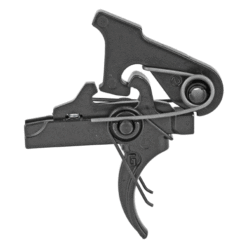
The primary difference between standard and upgraded fire control groups is how their designs manage pull resistance, friction, movement, and the point of hammer release. Enhanced mil-spec-style products retain familiar mechanical principles while improving finishing or manufacturing consistency. Other aftermarket designs use different engagement geometries, two-stage operation, or self-contained cassette construction to provide distinct trigger characteristics. These differences affect more than comfort, so compatibility, servicing requirements, and intended use matter when comparing options.
When reviewing options, I separate genuine mechanical improvements from differences that mainly reflect personal preference. A factory-finished conventional trigger can address roughness without changing the familiar single-stage operation. A purpose-built aftermarket assembly offers a broader range of configurations, but its advantages depend on whether those characteristics suit the rifle. The following comparison outlines representative specifications across common commercial designs.
| Type | Typical pull | Feel | Installation format | Best for | Price tier |
|---|---|---|---|---|---|
| Standard mil-spec | 5.5–8.5 lb | Conventional single-stage with variable creep and grit | Separate components | General-purpose and budget builds | Budget |
| Enhanced or coated mil-spec-style | Varies; many 4.5–6.5 lb | Smoother engagement with familiar operation | Separate components | Modest refinement of a standard setup | Budget to midrange |
| Single-stage drop-in cassette | Many 2.5–5.5 lb | Defined break and model-specific reset | Self-contained cassette | Recreational and competition use | Midrange to premium |
| Two-stage trigger | Many 3.5–5.5 lb total | Initial stage followed by a distinct second-stage wall | Separate group or cassette | Precision-oriented and multipurpose rifles | Midrange to premium |
| Flat-face vs. curved shoe | Depends on trigger | Different finger contact and leverage | Depends on trigger | Ergonomic preference | Varies |
These ranges represent examples of commercially available designs, not guaranteed specifications. Individual models can fall outside the listed ranges. Flat-face and curved configurations describe trigger-shoe geometry, not separate operating mechanisms.
Mil-Spec vs. Drop-In Trigger
A conventional mil-spec trigger uses separate components secured directly in the lower receiver, while a drop-in cassette contains its main operating parts in a preassembled housing. The cassette format lets manufacturers control the internal relationships between components as a complete unit. This can produce a more consistent, factory-defined pull and simplify handling individual parts during replacement. However, cassette triggers differ in their pin requirements, retention methods, and service procedures, so compatibility cannot be assumed from the drop-in description alone.
In my view, neither construction method deserves an automatic advantage. Conventional fire control groups offer accessible individual components and an established servicing approach, while cassette designs provide a convenient format for specialized trigger characteristics. An enclosed cassette can also present different cleaning and inspection considerations depending on its construction. For shooters satisfied with traditional single-stage operation, an enhanced conventional group can be a sensible alternative to replacing the entire mechanism with a cassette.
Single-Stage vs. Two-Stage Triggers
A single-stage AR-15 trigger releases the hammer through one continuous pull rather than dividing its resistance into two intentionally distinct stages. A quality single-stage design can provide a predictable break with limited creep, while a conventional mil-spec version can have more perceptible movement. A two-stage design introduces an initial stage followed by a defined resistance point, commonly called the wall, before the final break. The published total pull weight of a two-stage trigger includes resistance from both stages, which matters when comparing its specifications with a single-stage product.
I consider this distinction especially relevant for precision-oriented recreational shooting because the defined second-stage wall provides a recognizable point before release. However, many shooters prefer the simpler sensation of a continuous single-stage pull, and neither design guarantees improved accuracy on its own. Mechanical quality, familiarity, and appropriate handling matter more than the number of stages. A well-manufactured trigger in either configuration can be suitable when its operating characteristics match the firearm’s purpose.
Flat-Face vs. Curved Mil-Spec-Style Triggers
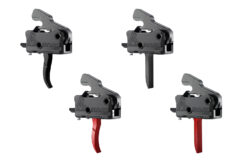
Trigger-shoe geometry also affects perceived pull characteristics without necessarily changing the internal mechanism. A traditional curved shoe guides the finger toward its center, while a flat-face design provides a straighter contact surface that allows different finger positioning. Moving the contact point farther from the trigger pivot changes leverage, which can make the same mechanical pull feel different to the shooter. I prefer to judge these configurations as ergonomic alternatives rather than assume one provides superior performance. A flat-face, mil-spec-style trigger can feel different, but the manufacturer’s specifications determine its actual pull weight and mechanical characteristics.


When Should You Upgrade a Mil-Spec Trigger?
A mil-spec trigger upgrade is worthwhile when the original mechanism functions correctly but lacks the pull consistency, break characteristics, or ergonomics you want for the rifle’s intended use. Not every conventional trigger needs replacing, and a more expensive assembly does not automatically provide a meaningful improvement. I approach the decision by identifying what the existing trigger does well, what feels unsatisfactory, and whether the proposed replacement addresses those specific characteristics. This prevents spending money on features that offer little practical benefit while overlooking the importance of dependable operation.
When Keeping a Standard Mil-Spec Trigger Makes Sense
For a budget build or general-purpose rifle, a properly functioning conventional trigger remains a practical choice. Its familiar construction, availability of replacement components, and straightforward servicing requirements offer advantages that are easy to overlook when comparing aftermarket features. If the trigger produces a consistent break, resets correctly, and meets the firearm manufacturer’s requirements, replacing it is a matter of preference, not necessity. I place particular importance on these qualities when evaluating firearms intended for defensive or duty-related applications, where manufacturer-approved reliability and appropriate trigger resistance take priority over an exceptionally light pull.
Keeping the original trigger also lets a shooter establish a baseline before deciding which characteristics need improvement. A heavy but predictable pull can remain manageable with proper familiarity and training, while an irregular break deserves closer attention. Replacing a conventional group simply because it lacks premium features overlooks the value of mechanical simplicity and consistency. If a rifle already operates safely and meets its owner’s needs, there is no need to change the fire control group.
When an Enhanced Trigger or Professional Service Is Worth Considering
An enhanced mil-spec-style group makes sense when the main complaint is roughness rather than the basic single-stage design. Factory-finished engagement surfaces, controlled manufacturing processes, and specialized coatings can improve consistency while retaining familiar operating characteristics. A professionally selected replacement can also address dissatisfaction with a conventional trigger without introducing a completely different mechanism. I see this as a reasonable middle ground for shooters who want a more refined break but do not need specialized competition or precision-oriented features.
Some owners consider polishing or reduced-power spring kits as alternatives to a complete replacement. These approaches require careful consideration because changes to engagement surfaces or spring resistance affect fire control group operation. Improper modifications can compromise hammer retention, reset, or reliable primer ignition. I recommend having a qualified gunsmith evaluate any proposed changes rather than altering hardened engagement surfaces or spring characteristics without the appropriate expertise.
When a Complete Trigger Replacement Is the Better Choice
A complete AR-15 trigger replacement is worth considering when the shooter wants features unavailable in the existing assembly. These can include a clearly defined two-stage wall, a specific manufacturer-rated pull weight, alternative shoe geometry, or more consistent factory-controlled engagement characteristics. Precision-focused recreational rifles and competition firearms have different requirements than basic general-purpose builds, so it’s worth comparing available aftermarket designs. The strongest reason to choose a replacement is that it meets a clearly identified need, not just offering more features.
Before selecting a new assembly, I would verify the receiver’s trigger-pin dimensions, the manufacturer’s compatibility information, and any special hardware requirements. Most modern AR-15 lowers use approximately 0.154-inch small pins, while certain older Colt commercial receivers require larger versions. Confirm compatibility with AR-10 or other .308-pattern receivers separately, as those platforms are not universally standardized. After replacing any fire control component, the firearm must undergo the manufacturer’s required safety and function checks before use.
Safety Notice: Always unload the firearm, remove ammunition from the work area, and independently verify that the chamber is clear before any inspection or maintenance. Follow the manufacturer’s procedures and have a qualified gunsmith complete installation or verification whenever the required work exceeds your experience.
Shop Mil-Spec and Upgrade Triggers at Black Rifle Depot
Black Rifle Depot carries conventional replacement components and enhanced alternatives for builders evaluating their fire control options. The AR-15 Mil-Spec Trigger provides an individual Parkerized, single-stage replacement trigger for a compatible conventional assembly. For buyers considering an enhanced complete group, the Dirty Bird Industries Single Stage Nickel Teflon Trigger Group features factory-finished engagement surfaces, a nickel-Teflon coating, and curved or flat trigger-shoe options.
Black Rifle Depot also offers additional configurations in its AR-15 Triggers category. Whether maintaining a standard setup or considering a different operating design, compare documented specifications, included components, and manufacturer-confirmed compatibility before selecting a replacement.
Legal Disclaimer: Firearm and aftermarket component laws vary by jurisdiction. California and other restrictive states have additional requirements affecting certain firearms and products. Buyers are responsible for complying with applicable federal, state, and local laws. This article is for general educational purposes, is not legal advice, and does not replace manufacturer instructions or professional gunsmithing services.
Frequently Asked Questions
Mil-spec trigger groups remain common on AR-15 rifles, but questions about pull weight, roughness, compatibility, and aftermarket alternatives often arise when owners begin comparing options. The following answers address these concerns and explain the differences that matter when evaluating a conventional fire control system.
What Is a Mil-Spec Trigger on an AR-15?
A mil-spec trigger is a conventional single-stage fire control design based on established military-pattern dimensions and functional requirements. It uses separate trigger, hammer, and disconnector components with their associated springs and pins. Commercial products advertised as mil-spec do not all carry the same manufacturing certifications or quality standards.
Why Is My AR-15 Trigger So Gritty?
Gritty trigger movement results from friction, surface irregularities, machining marks, or differences in the finish and geometry of the engagement surfaces. Conventional fire control groups can exhibit noticeable roughness or creep while remaining mechanically functional. However, binding, unreliable reset, or inconsistent hammer retention should be treated as mechanical concerns requiring professional inspection, not normal characteristics.
What Is the Pull Weight of a Mil-Spec AR-15 Trigger?
A representative pull-weight range for conventional mil-spec-style groups is approximately 5.5 to 8.5 pounds. Actual measurements depend on the manufacturer, spring resistance, component geometry, and the assembly’s condition. Individual commercial products can fall outside this range, making the manufacturer’s published specifications the appropriate reference for a particular model.
Will a Mil-Spec Trigger Smooth Out Over Time?
A standard trigger can become smoother with normal use as minor surface irregularities wear down. The amount of improvement varies, and there is no guaranteed round count at which a trigger will develop a particular feel. Break-in does not change the underlying operating design or correct unsafe mechanical conditions, so inspect unreliable operation rather than attributing it to a new trigger.
Is a Drop-In Trigger Better Than Mil-Spec?
A drop-in cassette can provide factory-defined pull characteristics and a self-contained mechanism, while a conventional group offers accessible individual components and familiar servicing requirements. Neither format guarantees superior reliability, accuracy, or safety. The better choice depends on the manufacturer’s design, the receiver’s compatibility requirements, and the rifle’s intended purpose.
Single-Stage or Two-Stage: Which Should I Pick?
A single-stage trigger provides one continuous pull before hammer release, while a two-stage design introduces initial movement followed by a defined second-stage wall. Shooters who prefer a consistent, uninterrupted pull may prefer single-stage operation, while those who value a recognizable second-stage resistance point may prefer a two-stage design. Both configurations are available in quality aftermarket products, and neither is automatically the correct choice for every rifle.
Do All AR-15 Triggers Fit Every Lower?
No. Most modern AR-15 lowers use approximately 0.154-inch trigger and hammer pins, but certain older Colt commercial receivers have larger pin openings. Proprietary receiver designs and specialized firearm configurations can also introduce compatibility restrictions. Before replacing an existing assembly, check a trigger advertised for AR-15 use against the specific receiver and manufacturer instructions.
Can I Install an AR-15 Trigger Myself?
Some experienced firearm owners perform trigger replacements using manufacturer-approved instructions and appropriate tools. However, verify proper fitment, hammer retention, safety-selector operation, and reset before using the firearm. Anyone unfamiliar with these requirements should have a qualified gunsmith complete and inspect the work. The firearm must always be unloaded, with the chamber independently verified clear, before any maintenance begins.
For additional support and online deals, check out our X page.
