
Uncategorized
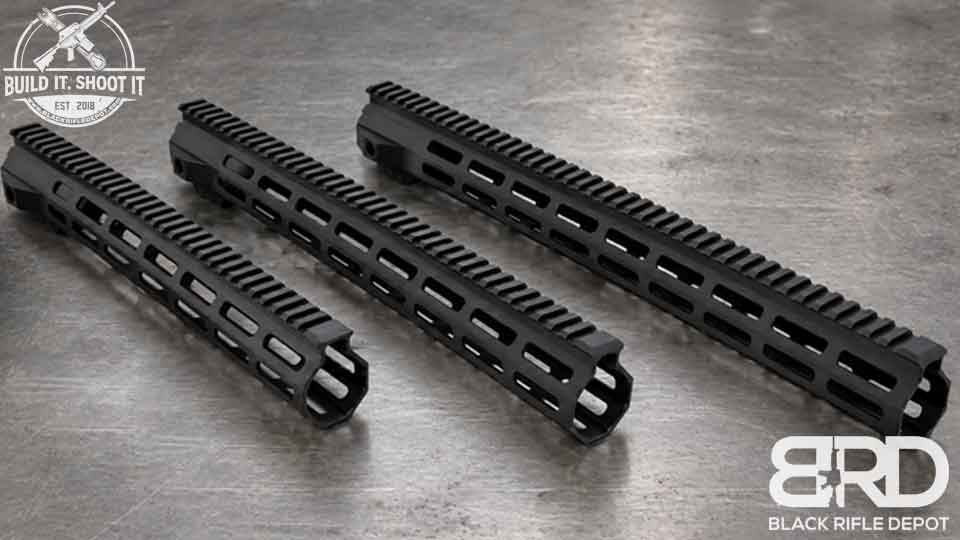
Best AR-15 Handguards for Range, Duty & Precision Builds
Sep
Table of Contents
Choosing the best AR-15 handguard starts with understanding how you’ll actually use the rifle. A lightweight range rifle does not need the same rail setup as a duty carbine carrying a light, sling, aiming device, and other accessories. A precision-oriented AR-15 has different priorities again, with rigidity, support placement, and overall stability becoming much more important.
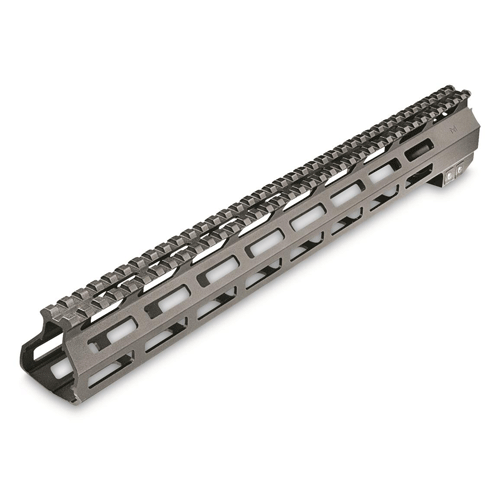
Modern handguards do far more than give the shooter a place to hold the rifle. They affect weight, balance, heat management, accessory placement, comfort, and the overall feel of the build. The right handguard can make an AR-15 feel lighter and easier to control, while the wrong one can add unnecessary weight or limit where you can mount accessories.
No single handguard works perfectly for every rifle. The best approach is to match the rail to the AR-15’s intended role and choose features that support that use.
What Makes a Good AR-15 Handguard?
A quality AR handguard should be secure, comfortable, and appropriate for the rifle’s intended purpose. Most modern AR-15 builds use a free-float design, which attaches to the upper receiver through a barrel nut rather than resting directly against the barrel. This helps isolate the barrel from pressure applied to the rail and can improve consistency, especially on rifles used for precision shooting.
Weight is one of the first things to consider. A lightweight rail can make the rifle faster and more comfortable to handle, especially during long-range sessions or training. However, reducing too much material can also reduce rigidity. A heavier rail may provide additional strength and stability, but it can also make the rifle front-heavy.
Length also matters. A longer handguard gives the shooter more room for support-hand placement and accessories, while a shorter rail keeps the rifle more compact and saves weight. The right length depends on barrel length, accessory needs, and how the shooter prefers to grip the rifle.
Heat management is another important factor. Handguards with open M-LOK slots and ventilation allow more air to circulate around the barrel and gas system. This becomes especially valuable during high-volume shooting, when the rifle’s front end can heat up quickly.
M-LOK vs Quad Rail Handguards
One of the biggest decisions when choosing AR-15 handguards is the mounting system. M-LOK has become one of the most common options because it provides excellent accessory flexibility without covering the entire rail in unnecessary material. An M-LOK handguard uses slots along the sides and bottom, letting you install accessories only where you need them.
This design helps keep the handguard slim and relatively lightweight. Shooters can add weapon lights, sling mounts, hand stops, foregrips, bipods, or short Picatinny sections while leaving the rest of the rail smooth and comfortable.
Quad rails take a different approach by providing Picatinny rail surfaces on all four sides. This gives the shooter plenty of mounting space and makes it easy to reposition accessories. The tradeoff is additional weight and a wider profile.
For many range and general-purpose rifles, M-LOK offers the better balance of weight and versatility. A quad rail may still be a strong choice for a hard-use duty rifle where maximum durability and accessory mounting flexibility are higher priorities.
Best Handguard for a Range AR-15
A range-focused AR-15 usually benefits from a lightweight and comfortable rail. Most recreational shooters do not need a heavy-duty handguard loaded with accessories, so there is little reason to add extra weight unless the rifle has a specific purpose.
A slim M-LOK handguard is often an excellent choice for this type of build. It provides plenty of room for a sling mount, hand stop, light, or bipod without making the rifle overly bulky. The narrower profile is also easier to grip, especially during long shooting sessions.
Ventilation should also be considered. Repeated shooting generates heat around the barrel, gas block, and gas tube. A handguard with plenty of open space allows heat to escape more effectively and can make the rifle more comfortable to handle.
For a typical range rifle, there is usually no need to chase maximum rigidity. A well-made aluminum free-float rail with a secure barrel nut will provide more than enough strength for recreational use. The goal should be to keep the rifle balanced and comfortable without sacrificing the durability needed for regular shooting.
Best Handguard for a Duty Carbine
A duty carbine places greater demands on the handguard. Strength, rigidity, and secure accessory mounting matter more because the rifle may carry several pieces of equipment and face harder use.
A duty setup may include a weapon light, sling attachment, iron sight, aiming device, hand stop, or other accessories. The handguard needs enough space to position each item properly without forcing the shooter to compromise grip or control placement.
A continuous Picatinny top rail is often useful on a duty build because it gives the shooter more flexibility when positioning sights and other top-mounted equipment. M-LOK slots along the sides and bottom can then hold lights, sling mounts, and support accessories.
Shooters comparing a Geissele handguard or an Aero Precision handguard are often looking at differences in weight, barrel-nut design, rail profile, and rigidity. Brand reputation can help, but the rail’s features should matter more than the name on the side.
A duty handguard should also remain secure after hard use. The mounting system should resist rotation and movement, and the rail should remain properly aligned with the upper receiver. A loose handguard can create problems with accessory alignment and overall reliability.



How Much Rigidity Does a Duty Handguard Need?
Rigidity matters more as you mount more equipment to the rail. A basic weapon light does not require the same level of stability as a rail-mounted aiming device or front sight.
Every handguard can flex slightly under enough pressure. The goal is to choose a design that minimizes unwanted movement while still keeping weight reasonable. A thicker or heavier rail may offer more stiffness, but extra weight is not always necessary.
For most duty carbines, a quality aluminum free-float rail with a strong barrel-nut system provides a good balance. It should be stiff enough to support accessories while keeping the rifle manageable during extended use.
Best Handguard for a Precision AR-15
Precision builds emphasize rigidity and stability more than most other AR-15 configurations. A free-float rail is especially important because it helps prevent pressure on the handguard from being transferred directly to the barrel.
This matters when shooting from a bipod, tripod, barricade, or other support. Pressure applied to the front of the rail creates leverage, and a more rigid handguard better resists flexing under that load.
A longer handguard can also be helpful on a precision rifle. Mounting a bipod farther forward creates a wider support base and can improve stability. It also gives the shooter more flexibility when positioning barricade stops or other support equipment.
Weight matters less on a dedicated precision rifle than on a lightweight range carbine, but you should still consider it. An unnecessarily heavy rail can make the rifle harder to handle away from the bench or in a prone position.
M-LOK vs ARCA for Precision Builds
A standard M-LOK rail works extremely well for many precision AR-15s. It provides enough flexibility to mount a bipod, sling, barricade stop, or short ARCA section wherever needed.
An ARCA-compatible rail offers additional benefits for shooters who regularly use tripods. ARCA systems allow the rifle to slide forward or backward in a compatible tripod clamp without removing and repositioning separate rail sections. This makes it easier to adjust the rifle’s balance point in different shooting positions.
Shooters who mainly use a bipod may not need a full-length ARCA rail. In that case, a standard M-LOK handguard may provide greater versatility and lower weight. You can always add a short ARCA section later if tripod use becomes more important.
Does Handguard Length Matter?
Handguard length strongly affects both handling and accessory placement. A longer rail gives the shooter more space for support-hand placement and lets equipment such as bipods, lights, or sling mounts sit farther forward.
For a precision rifle, this additional space can improve stability. For a duty carbine, it gives the shooter more freedom to separate accessories and avoid crowding the support hand.
Longer is not always better, though. Additional length usually adds some weight and can make the rifle feel more front-heavy. A very long rail may also be unnecessary on a build with minimal accessories.
The best length usually provides enough useful space without adding material that serves no real purpose.
Aluminum vs Carbon Fiber Handguards
Most AR-15 handguards are made from aluminum because it provides a strong combination of durability, rigidity, affordability, and weight. Aluminum rails are available in almost every size and configuration imaginable, making them suitable for range rifles, duty carbines, and precision builds.
A carbon fiber handguard offers a different set of advantages. Carbon fiber provides excellent strength at a very low weight and doesn’t transfer heat the same way aluminum does. This can make it appealing for lightweight builds and rifles that see extended shooting sessions.
The biggest disadvantage is cost. Carbon fiber rails are often more expensive, and fewer designs and mounting configurations are available than with aluminum.
For most shooters, aluminum remains the most practical option. Carbon fiber makes more sense when reducing front-end weight is a major priority, and the extra cost is acceptable.
Heat Management for High-Volume Range Shooting
Heat can become a major factor during long shooting sessions. As the barrel heats up, that heat transfers into the surrounding components, including the handguard.
A heavily ventilated M-LOK handguard can help by allowing air to circulate around the barrel. Open slots also reduce the amount of material available to absorb and retain heat.
This does not mean a heavily ventilated rail will stay cool indefinitely. Any metal handguard can become hot after enough shooting. However, good airflow can slow the buildup and help the rail cool more quickly between strings of fire.
For shooters who regularly fire multiple magazines in short periods, consider heat management alongside weight and rigidity.
Accessory Space for Duty Rifles
Accessory placement is one of the easiest things to underestimate when choosing a handguard. A rifle may start with only a weapon light, but additional equipment can quickly take up available space.
Position a light where the shooter can activate it comfortably. A sling attachment needs to work with the preferred carry position. A hand stop or foregrip also needs to sit where it supports a natural grip.
Once you install those items, a shorter rail can get crowded quickly. This is why duty rifles often benefit from a slightly longer handguard with multiple M-LOK positions and a continuous top rail.
Planning accessory placement before buying the handguard can prevent problems later and make the finished rifle much more comfortable to use.
Which Handguard Features Are Worth Paying More For?
Not every premium feature is necessary, but some improvements are worth the additional cost on rifles expected to see serious use.
A strong barrel-nut and locking system is one of the most important features. The handguard needs to stay tight and properly aligned with the upper receiver. Better machining can also improve how accessories fit into M-LOK slots and along Picatinny surfaces.
Weight reduction can be valuable when it is achieved without making the rail excessively flexible. Precision shooters may also find additional rigidity or integrated ARCA compatibility worth paying for.
The important thing is to spend money on functional improvements rather than features that do not contribute to the rifle’s intended use.
Can One Handguard Work for Multiple Roles?
Many shooters want one AR-15 that can handle several different roles. In that case, a balanced handguard is usually better than one designed around a single extreme.
A medium-weight free-float M-LOK rail with good rigidity can work well for range shooting, training, general-purpose use, and occasional precision shooting. It may not be as light as a dedicated competition rail or as rigid as a heavy precision handguard, but it can perform well across several applications.
For a multipurpose rifle, versatility is often more useful than specialization.
Final Thoughts: Choosing the Right AR-15 Handguard
The best AR-15 handguard depends on how you’ll actually use the rifle. A range rifle generally benefits from a lightweight, comfortable rail with good ventilation. A duty carbine requires more strength, accessory space, and a secure mounting system. A precision AR-15 prioritizes rigidity, support placement, and a stable free-float design.
Consider length, weight, mounting system, heat management, and accessory space together. A handguard should complement the rest of the rifle rather than simply being chosen because it looks good or carries a recognizable brand name.
Black Rifle Depot carries a wide selection of AR-15 handguards and rails, including M-LOK rails, free-float designs, quad rails, and options suited for range, duty, and precision builds. Whether you are replacing an existing rail or building a new upper, shop the selection at Black Rifle Depot and choose the handguard that best fits the way you plan to use your rifle
Frequently Asked Questions
What handguard features matter most for a range-focused AR-15 build?
Weight, comfort, ventilation, and enough accessory space for the shooter’s needs are the biggest priorities. A lightweight, free-float M-LOK rail works well for many range rifles because it keeps the build manageable while still allowing you to add accessories.
How rigid should an AR-15 handguard be for a duty carbine?
A duty handguard should be rigid enough to remain stable under hard use and support mounted equipment without excessive movement. A secure barrel-nut and locking system are as important as the rail’s thickness.
Why does handguard rigidity matter on a precision AR-15?
Precision rifles are often supported by bipods, tripods, or barricades. A rigid handguard minimizes flex under pressure and creates a more stable platform for mounted accessories.
Is a longer handguard better for a precision rifle that uses a bipod or tripod?
A longer handguard can help because it lets you mount a bipod or support point farther forward. This creates a wider support base and gives the shooter more flexibility when positioning the rifle.
How much accessory mounting space should a duty carbine handguard provide?
It should provide enough space for essential equipment without interfering with the shooter’s support hand. Consider lights, sling mounts, sights, aiming devices, and hand stops before choosing rail length.
What type of handguard works best for high-volume range shooting?
A ventilated aluminum free-float M-LOK handguard is a strong choice because it provides good airflow, manageable weight, and plenty of mounting flexibility.
Should a precision AR-15 use an ARCA-compatible handguard or a standard M-LOK rail?
Both can work well. ARCA is especially useful for shooters who frequently use tripods, while M-LOK offers greater general-purpose flexibility and allows separate ARCA sections to be added if needed
What makes an AR-15 handguard suitable for an accessory-heavy duty build?
A strong mounting system, good rigidity, a continuous top rail, multiple M-LOK positions, and enough overall length for proper accessory placement are all important.
Which handguard features are worth paying more for on a duty or precision rifle?
Better barrel-nut systems, stronger locking designs, quality machining, improved rigidity, reduced weight, and useful features such as ARCA compatibility can justify a higher price.
Can the same AR-15 handguard work well for both range shooting and precision use?
Yes. A quality free-float M-LOK handguard with moderate weight and good rigidity can perform well in both roles. For a multipurpose rifle, a balanced rail is usually more useful than an extremely lightweight or overly heavy option.
For additional support and online deals, check out our X Page.
