
AR-15 Parts
AR-15 Parts Glossary: A Guide to AR-15 Parts and Components
Sep
Table of Contents
Understanding AR-15 parts is much easier once you know what each component is called and what role it plays. Whether you are comparing replacement components, shopping for AR-15 parts kits, or simply trying to understand a product specification sheet, this glossary provides quick, plain-English definitions of common AR terminology.
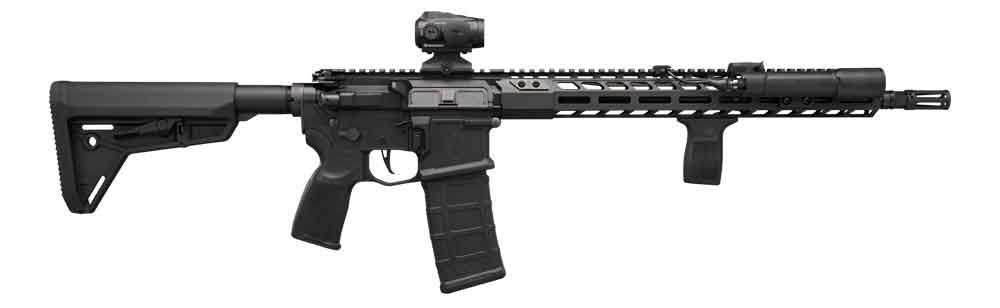
Use the alphabetical index below to find a specific term, or browse by Upper, Lower, Furniture, and Sights to understand where each component fits into the rifle.
AR-15 Parts A–Z Index
B: Barrel · Barrel Nut · BCG · Buffer · Buffer Spring
C: Charging Handle
F: Flash Hider · Forward Assist · Front Sight
G: Gas Block · Gas Tube · Grip
H: Handguard
I: Iron Sights
L: Lower Parts Kit · Lower Receiver
M: Magazine Catch · Muzzle Device
P: Pistol Grip
R: Rear Sight · Receiver Extension
S: Safety Selector · Stock
T: Trigger
U: Upper Receiver
AR-15 Upper Parts
The upper assembly includes many AR-15 components that chamber, fire, extract, and direct the projectile. Shooters building or repairing an upper can shop AR-15 upper parts individually or as part of a complete assembly.
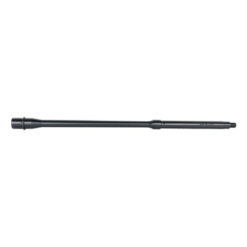
Barrel
The barrel guides the projectile and contains the chamber where the cartridge sits before firing. AR-15 barrels are available in different lengths, profiles, calibers, gas-system lengths, and twist rates.
Barrel Nut
The barrel nut secures the barrel to the upper receiver. Many free-float handguards use a proprietary barrel nut designed specifically for that rail system.
BCG — Bolt Carrier Group
BCG stands for bolt carrier group. It includes the bolt, carrier, gas key, firing pin, cam pin, and related components that cycle the action, chamber rounds, lock the bolt, and extract spent cases.
Charging Handle
The charging handle allows the shooter to manually retract the bolt carrier group. It is used when loading, clearing, or inspecting the rifle and is available in standard and ambidextrous configurations.
Forward Assist
The forward assist is found on many AR-15 upper receivers and lets the shooter manually push the bolt carrier forward if it does not fully seat.
Gas Block
The gas block sits over the barrel’s gas port and redirects gas into the gas tube to cycle the action. Fixed and adjustable gas blocks are commonly available.
Gas Tube
The gas tube carries gas from the gas block back toward the bolt carrier group. Gas tubes are commonly offered in pistol, carbine, mid-length, and rifle lengths.
Handguard
The handguard surrounds the barrel and provides a protected gripping area. Modern AR handguards often feature M-LOK or Picatinny mounting surfaces for accessories. Shop AR-15 handguards for different lengths and configurations.
Muzzle Device
A muzzle device attaches to the barrel’s threaded end. Common types include flash hiders, muzzle brakes, compensators, and linear compensators.
Upper Receiver
The upper receiver houses the bolt carrier group and charging handle while connecting the barrel assembly to the lower receiver. Upper receivers are available stripped or assembled.

AR-15 Lower Parts
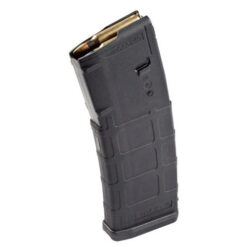
The lower receiver contains the fire-control components and many of the controls used to operate the rifle. Black Rifle Depot carries individual AR-15 lower parts and complete kits.
Buffer
The buffer moves inside the receiver extension as the action cycles. Buffers are available in different weights that can affect cycling behavior.
Buffer Spring
The buffer spring, also called the action spring, compresses as the bolt carrier travels rearward and then pushes the carrier forward to chamber the next round.
Lower Parts Kit — LPK
LPK means lower parts kit. An AR-15 lower parts kit typically contains many of the small components needed to complete a stripped lower receiver, including pins, springs, controls, and sometimes a trigger and grip.
Lower Receiver
The lower receiver connects to the upper and houses components such as the trigger, safety selector, magazine catch, and bolt catch.
Magazine Catch
The magazine catch holds the magazine inside the lower receiver until the magazine-release control is pressed.
Safety Selector
The safety selector controls whether the rifle is placed on safe or in its available firing position. Ambidextrous selectors provide controls on both sides.
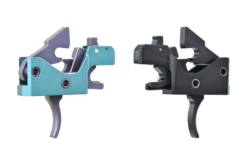
Trigger
The trigger is part of the fire-control group. AR triggers are available in different designs, pull weights, and single-stage or two-stage configurations.



AR-15 Furniture
Furniture affects how the rifle fits, feels, and handles.
Pistol Grip
The pistol grip attaches to the lower receiver and provides the shooter’s primary firing-hand grip. Different shapes, textures, and grip angles let you tailor the rifle to your preferences.
Receiver Extension
Often called the buffer tube, the receiver extension houses the buffer and buffer spring. It can also provide the mounting point for an adjustable stock or compatible brace.
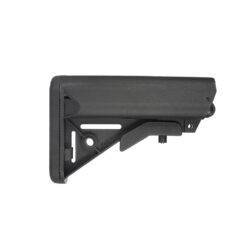
Stock
The stock provides rear support and helps establish a consistent shooting position. AR stocks are available in fixed and adjustable configurations.
AR-15 Sights and Optics
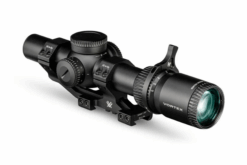
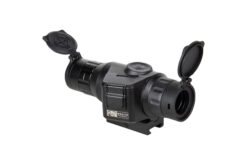
An aiming system can range from traditional mechanical sights to modern electronic and magnified optics. Black Rifle Depot offers AR-15 sights and optics for a variety of rifle setups.
Front Sight
The front sight provides the forward reference point when using traditional iron sights. It may be fixed, folding, or integrated into another component.
Iron Sights
Iron sights use front and rear mechanical aiming references and require no batteries. They can serve as a primary sighting system or as backups to an optic.
Rear Sight
The rear sight provides the rear aiming reference and is generally mounted toward the back of the upper receiver. Most designs allow windage adjustment, and some also provide elevation adjustment.

Common AR-15 Parts Terms
You may also see terms such as Mil-Spec, spare parts kit, build kit, or parts kit while shopping.
Mil-Spec generally refers to a component or dimension based on a military specification. However, the term does not automatically mean every part is identical in materials, manufacturing process, or quality.
An AR-15 spare parts kit typically contains frequently replaced small components such as springs, pins, detents, or other hardware. AR-15 parts kits can include a broader collection of components intended to complete a particular section of a build.
Black Rifle Depot carries AR-15 parts for sale, including upper components, lower parts, furniture, sights, optics, replacement hardware, and other AR-15 parts and accessories for repairs, upgrades, and new builds.
How AR-15 Parts Work Together
Although each component has its own job, AR-15 parts are designed to work as a complete system. The upper and lower receivers form the rifle’s main structure, while the barrel, bolt carrier group, gas system, trigger components, and buffer system all contribute to its operation.
When the rifle fires, gas is redirected through the gas block and gas tube toward the bolt carrier group. The bolt carrier moves rearward, allowing the spent case to be extracted and ejected. As the carrier travels back, it compresses the buffer spring inside the receiver extension.
The buffer spring then pushes the bolt carrier group forward again, allowing the rifle to chamber the next round. This cycling process depends on several AR-15 components working together correctly, which is why compatibility matters when replacing or upgrading parts.
Other parts affect handling rather than cycling. The handguard provides a gripping surface and accessory mounting space, while the stock, pistol grip, sights, and optics can change how the rifle fits the shooter and how easily it can be aimed.
Understanding how these systems relate can make it easier to diagnose basic issues and choose AR build parts that fit the intended setup.
Replacement Parts and AR-15 Spare Parts
Small parts can be easy to overlook until one is lost, damaged, or worn. AR owners commonly keep springs, detents, pins, gas rings, extractors, firing pins, and other small components as replacement parts.
An AR-15 spare parts kit can help keep frequently used components organized in one place. These kits vary by manufacturer, so some may focus on lower receiver components while others include parts for the bolt carrier group or upper assembly.
For a new build, AR-15 parts kits can also simplify the process by grouping commonly needed pieces together. A lower parts kit, for example, can include the controls, springs, pins, and other hardware needed for a stripped lower receiver. Some kits may also include the trigger, grip, or additional components.
Before purchasing replacement parts, check the specifications of your existing components. While many AR-15 gun parts share common dimensions, differences in caliber, gas system, receiver type, or manufacturer-specific designs can affect compatibility.
Black Rifle Depot carries individual replacement components, AR-15 lower parts, upper parts, parts kits, and other AR-15 parts and accessories for maintenance, repairs, and new builds.
Final Thoughts on AR-15 Parts
Understanding the names and functions of common AR-15 parts makes it easier to compare components, read product specifications, and plan future upgrades or repairs. From the upper receiver and bolt carrier group to the lower parts, furniture, sights, and small replacement components, each part plays a specific role in how the rifle functions and feels.
If you are ready to start a new build, replace worn components, or keep a few spare parts on hand, Black Rifle Depot carries a wide selection of AR-15 parts, AR-15 parts kits, upper parts, lower parts, furniture, and accessories for a variety of setups and budgets.
Shop AR-15 Parts at Black Rifle Depot to find the components you need for your next project.
Frequently Asked Questions About AR-15 Parts
Learning a few common AR terms makes product descriptions and specification sheets much easier to understand. Here are quick answers to some of the most common questions about AR-15 parts.
What are the main parts of an AR-15 called?
The AR-15 is generally divided into an upper assembly and lower assembly. Major components include the upper receiver, barrel, BCG, charging handle, handguard, lower receiver, trigger group, buffer system, grip, and stock.
How do the upper and lower receivers differ on an AR-15?
The upper contains the barrel and operating components, while the lower contains the trigger mechanism, magazine well, controls, and buffer-system attachment.
What does BCG mean when talking about AR-15 parts?
BCG stands for bolt carrier group, the assembly responsible for locking, cycling, extracting, and helping chamber cartridges.
What does Mil-Spec mean for AR-15 components?
Mil-Spec means a part follows certain military specifications or dimensions. The term alone does not guarantee that all similarly labeled products use identical materials or manufacturing methods.
What job does the charging handle perform on an AR-15?
The charging handle manually retracts the bolt carrier group to load, clear, or inspect the firearm.
Why does an AR-15 use a buffer and buffer spring?
The buffer and spring manage the bolt carrier’s rearward movement and return it forward as the firearm cycles.
What is the purpose of the gas block on an AR-15?
The gas block captures gas from the barrel and directs it through the gas tube to help operate the action.
What does an AR-15 handguard actually do?
The handguard provides a protected gripping surface around the barrel and can provide mounting points for compatible sights and accessories.
What does LPK stand for in AR-15 terminology?
LPK stands for lower parts kit, a collection of small components used to complete a stripped lower receiver.
What does a muzzle device do on an AR-15?
Its function depends on the design. Muzzle devices may reduce visible flash, manage muzzle movement, redirect blast, or combine these functions.
For additional support and online deals, check out our X Page.
