
AR-15 Complete Uppers
EPC 9 Upper Guide – Pros, Cons and State Restrictions
Jun
Table of Contents
The EPC 9 Upper has become one of the most popular options for builders seeking a pistol-caliber carbine or an AR-style 9mm setup. Aero Precision’s EPC line, short for Enhanced Pistol Caliber, gives shooters a familiar AR-style platform chambered around pistol calibers like 9mm and .40 S&W. For anyone already comfortable with AR-15 controls, optics, handguards, triggers, and accessories, the EPC platform makes a lot of sense.
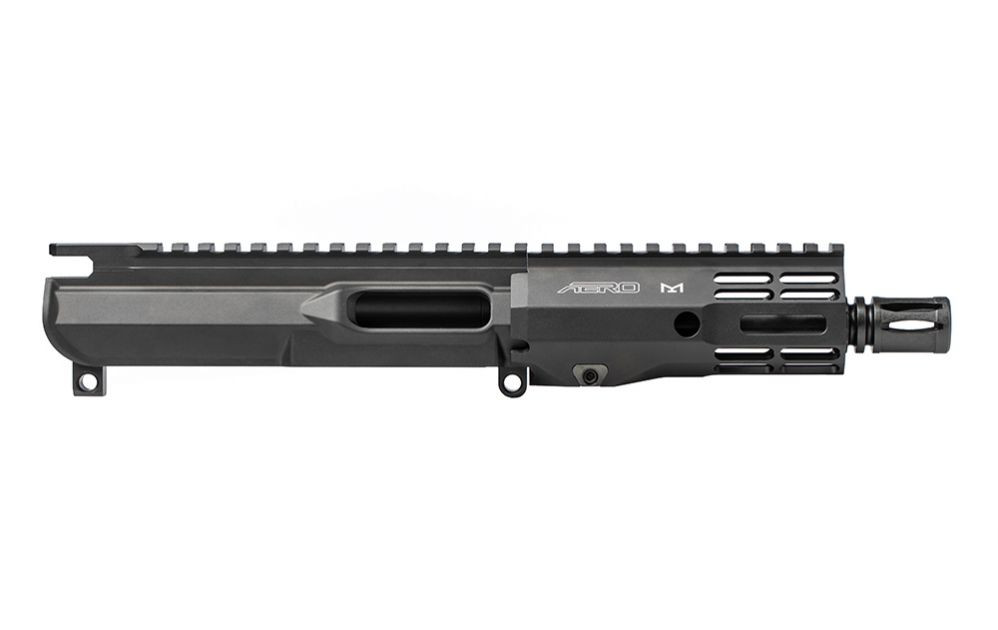
I like the EPC 9 Upper because it feels familiar without being just another 5.56 upper. It gives you a compact, affordable-to-shoot platform that works well for range use, training, and PCC-style builds. At the same time, it is not a standard AR-15 upper, and that is where buyers need to slow down. EPC 9 upper compatibility, magazine selection, bolt hold-open function, barrel length, and state restrictions all matter before you start ordering parts.
What Is an EPC 9 Upper?
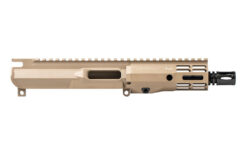
An EPC 9 Upper is an AR-style 9mm upper receiver designed for Aero Precision’s EPC-9 pistol caliber platform. Unlike a standard 5.56 AR-15, the EPC-9 uses a direct blowback operating system. That means it does not use a traditional gas block or gas tube. The system relies on bolt mass, buffer weight, spring tension, and ammunition pressure to cycle properly.
One of the most notable features of the Aero EPC 9 upper receiver is its last-round bolt-hold-open mechanism. On the right build, this allows the bolt to lock back after the final round is fired, which is a feature many AR-9 builds do not handle as cleanly. Aero’s EPC upper also uses a standard AR-15 takedown and pivot pin lug pattern, accepts many AR-15-compatible barrel nuts and handguards, and is machined from 7075-T6 aluminum.
That combination makes it attractive for people who want a quality 9mm build without starting from a completely unfamiliar platform.
EPC 9 Upper Products to Know
Depending on availability, buyers may find several EPC 9 upper options, including assembled, stripped, blemished, and complete upper configurations. Common EPC-style products include:
| Product Type | Best For |
|---|---|
| EPC 9 Assembled Upper Receiver | Builders who want the upper receiver with key parts already installed |
| EPC 9 Upper Stripped | Custom builds where the buyer wants to choose every part |
| EPC 9 Complete Upper | Shooters who want a faster path to a finished upper assembly |
| EPC 9 Upper Blem | Budget-minded buyers who do not mind cosmetic imperfections |
| Aero EPC 9 Upper Receiver in Black | A classic match for most AR-style builds |
| Aero EPC 9 Upper Receiver in FDE | Builds using FDE furniture, lowers, or accessories |
| EPC 9mm Upper with Handguard and Barrel | Buyers looking for a more complete 9mm upper setup |
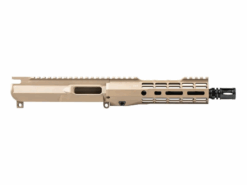
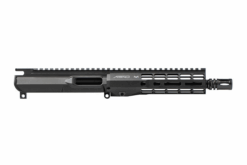
At Black Rifle Depot, shoppers may see EPC 9 upper receiver options such as the AERO Precision EPC 9 Assembled Upper in Black and the AERO Precision EPC 9 Assembled Upper in FDE. Availability can change quickly, especially with EPC-9 parts, so it is always smart to check the product page, stock status, and waitlist options.
Pros of the EPC 9 Upper
The first major advantage is familiarity. If you already know the AR platform, the EPC-9 does not feel foreign. The controls, optics mounting, grip options, handguard setup, and general handling are close enough to an AR-15 that most shooters can adapt quickly.
Another benefit is ammunition cost. 9mm is usually easier and cheaper to shoot than many rifle calibers, which makes an EPC 9mm upper appealing for range practice. You can train on an AR-style platform while using a pistol caliber, which is often more affordable.
The last round bolt hold-open feature is another strong point. Many AR-9 builds are hit-or-miss in this area, but the EPC upper was designed with LRBHO in mind when paired with the right parts and magazines. That is a big deal if you want a PCC that feels closer to a traditional AR during reloads.
Customization is also a major advantage. EPC uppers accept many AR-15-compatible handguards and barrel nut setups, giving you more freedom in choosing rail length, M-LOK accessories, lights, hand stops, and optics.
Cons of the EPC 9 Upper
The biggest downside is compatibility. An EPC 9 upper is not something I would treat like a universal plug-and-play part for every AR-9 build. Aero recommends using Aero Precision parts when possible to reduce compatibility issues. That does not mean other parts never work, but it does mean you need to pay attention to the bolt, buffer, lower receiver, magazines, and LRBHO system.
Another drawback is that blowback 9mm ARs can feel sharper than some people expect. Even though 9mm is a pistol cartridge, direct blowback systems rely on mass and spring tension rather than a gas system. With the wrong buffer setup, an EPC-9 can feel rough, cycle inconsistently, or wear parts faster.
Availability can also be frustrating. EPC 9 upper blem, stripped, and complete upper options are often popular, and certain colors or barrel lengths may sell out. If you see the exact configuration you want, it is worth checking stock status and signing up for notifications when needed.
EPC 9 Upper Compatibility
Compatibility is one of the most important parts of buying an EPC 9 Upper. The EPC-9 is designed around 9mm and .40 S&W components, not larger pistol calibers like 10mm or .45 ACP. The lower receiver is also designed around Glock-pattern magazines, commonly the G17 and G19 patterns.
For the upper itself, the EPC-9 accepts many AR-15-compatible barrel nuts and handguards. That makes handguard selection easier, but it does not mean every AR-15 part automatically works. You still need a 9mm barrel, a 9mm bolt carrier group, a proper buffer weight, a correct muzzle device bore size, and a lower receiver that works with your magazine setup.
The last round bolt hold-open feature also depends on the correct combination of parts and magazines. If you mix and match too many brands, the rifle may still function, but LRBHO may not work as expected.


State Restrictions and Legal Considerations
State restrictions are a major topic with EPC 9 uppers because laws can vary widely depending on where the buyer lives. Some states focus on features, barrel length, magazine capacity, threaded barrels, overall firearm configuration, or whether the final build is considered a pistol, rifle, short-barreled rifle, or another regulated setup.
The upper receiver by itself may not be treated the same way as a complete firearm, but the final assembled build is what matters. A short EPC 9 complete upper, for example, may create legal issues if paired with the wrong lower or stock configuration. Magazine capacity restrictions may also affect buyers in states with 10-round limits or other magazine rules.
Before buying an EPC 9 upper receiver, especially a short-barreled upper, buyers should check current federal, state, and local laws. This is especially important in states with strict firearm regulations such as California, New York, New Jersey, Connecticut, Massachusetts, Maryland, Illinois, Washington, and others. Laws change, and retailers may restrict shipping based on the product, destination, or current compliance requirements.
This section is not legal advice. It is a reminder to verify your state’s current laws before building or ordering parts.
FAQ: EPC 9 Upper Questions
EPC 9 uppers bring up a lot of questions because they look similar to AR-15 parts but function differently. These answers cover the most common things buyers should understand before starting a build.
What does EPC stand for?
EPC stands for Enhanced Pistol Caliber. Aero Precision uses the EPC name for its pistol-caliber AR-style platform.
Is an EPC 9 Upper the same as an AR-15 upper?
No. It may share some AR-style dimensions and accept many AR-15-compatible handguards and barrel nuts, but it is designed for pistol-caliber use. It does not use a gas block or gas tube like a standard 5.56 AR-15 upper.
What calibers work with the EPC-9?
The EPC-9 platform is designed for 9mm and .40 S&W components. It is not intended for 10mm or .45 ACP builds.
Does the EPC 9 Upper use Glock magazines?
The EPC-9 lower receiver is designed around standard frame Glock-pattern magazines, such as G17 and G19 pattern magazines. The last-round bolt hold-open function also depends on the correct magazine-and-parts combination.
What is the difference between an EPC 9 upper blem and a standard EPC 9 upper?
An EPC 9 upper blem usually has cosmetic imperfections that do not affect function. These can be a good value if you care more about performance than appearance.
Should I buy an EPC 9 complete upper or stripped upper?
An EPC 9 complete upper is better if you want a faster, easier build path. An EPC 9 upper stripped is better if you want to choose the barrel, handguard, muzzle device, and other parts yourself.
Are EPC 9 uppers legal in every state?
Not always. The upper itself may be legal in many places, but the final firearm configuration can create legal issues depending on barrel length, magazine capacity, features, and state laws. Always check current laws before buying or building.
Final Thoughts
The EPC 9 Upper is a strong option for anyone who wants an AR-style 9mm platform with good machining, familiar handling, and practical compatibility with many AR-style accessories. The key is to understand that pistol-caliber ARs are their own category. Buffer setup, magazines, lower receiver choice, barrel length, and state restrictions all matter.
If you are ready to start your EPC-9 build or compare available options, shop EPC-9 upper receivers, EPC-9 complete upper options, and related AR-9 parts at Black Rifle Depot. Availability can change quickly, so check current stock, product details, and compliance notes before ordering.
For additional resources, check out our X Page.
