
AR-15 Lower Parts Kits
AR-15 Lower Parts Kit: Colored vs Standard Options
Jun
Table of Contents
An AR-15 lower parts kit may not be the flashiest part of a rifle build, but it plays a major role in how the lower receiver comes together. These small components control the safety, magazine release, bolt catch, takedown pins, pivot pins, trigger guard, springs, detents, and other parts that help the rifle function properly.
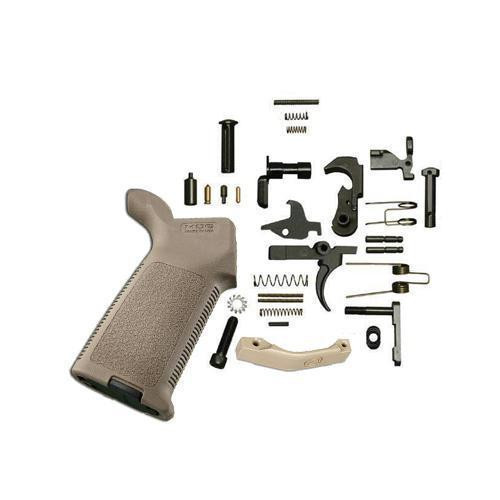
For many builders, a standard black lower parts kit is the default choice. It is simple, proven, easy to match, and usually the most affordable option. But colored AR-15 lower parts kits have become more popular with shooters who want their rifle to look more custom without replacing major components or paying for a full custom finish.
That is where the comparison starts. A colored kit can make a build stand out, but the decision should not be based on looks alone. Buyers also want to know whether color affects performance, whether anodized parts are durable, how they compare to phosphate-finished parts, and whether a colored kit is worth the upgrade over a standard option.
The short answer is that color does not automatically improve performance. A quality colored lower parts kit should function the same as a quality standard kit. The real value comes from appearance, contrast, personalization, and how well the kit fits the direction of your build.
If you are comparing standard black kits against a Lower Receiver Parts Kit Color upgrade, here is what to know before buying.
The Role of the Lower Parts Kit in an AR-15 Build
The lower parts kit is one of the core parts groups needed to complete an AR-15 lower receiver. Depending on the kit, it may include the fire control group, safety selector, bolt catch, magazine catch, magazine release button, takedown pin, pivot pin, trigger guard, springs, detents, grip screw, and related hardware.
Some kits are complete and include nearly everything needed for the lower receiver. Others are sold without a trigger, pistol grip, or trigger guard. These kits are useful for builders who already plan to install an upgraded trigger, custom grip, or enhanced trigger guard.
A colored AR-15 lower parts kit works the same way as a standard kit, but some of the visible parts are finished in a different color. These are usually accent parts, such as the safety selector, takedown pins, magazine release button, trigger guard, or bolt catch. The goal is to add contrast and give the rifle a more custom appearance.
The parts still need to do the same job. A colored safety selector must still move cleanly between safe and fire. A magazine release still needs to retain the magazine and properly release it. A bolt catch still needs to function reliably. Color is secondary to fit, machining, material quality, and proper installation.
Why Builders Choose Colored Lower Parts Kits
The AR-15 platform is popular because it is modular. Builders can choose the receiver set, handguard, barrel, stock, grip, optic, trigger, muzzle device, and accessories that match their purpose and style. A colored lower parts kit is another way to personalize that build.
A standard black kit blends into the rifle. That can be a good thing, especially on a duty-style, defensive, or traditional build. Colored parts do the opposite. They create contrast and draw attention to the controls and small details.
For example, a black rifle with red lower parts has a bold, range- or competition-ready look. Burnt bronze, OD green, or FDE accents can pair well with earth-toned furniture. Blue, gold, silver, or purple parts can give a custom rifle a more unique appearance.
A colored kit can also help tie a build together. If the rifle already has a colored charging handle, trigger shoe, buffer tube, magazine base plate, optic mount, or muzzle device, a matching AR Lower Parts Kit Color can make the build look more intentional.
This is one of the biggest reasons colored lower parts kits sell well. They offer a noticeable visual change without requiring a colored receiver set, Cerakote job, or expensive custom work.
Performance Comes Down to Quality, Not Color
A colored lower parts kit does not make an AR-15 shoot faster, cycle smoother, or become more accurate by itself. Color does not change the rifle’s basic mechanical function.
Performance depends on the quality of the components. The parts need to be properly machined, made from suitable materials, finished correctly, and compatible with the lower receiver. A well-made colored kit can perform just as well as a standard black kit. A poorly made kit can cause problems no matter the color.
The most important parts to evaluate are the ones that affect feel and function. The safety selector should engage positively. The magazine release should move smoothly and retain magazines properly. The bolt catch should fit correctly and lock the bolt back when needed. Takedown and pivot pins should be secure without being overly tight or loose.
Springs and detents also matter. These small parts are easy to overlook, but they help control the movement and retention of several important components. A lower parts kit is only as good as the complete group of parts included.
For most shooters, a colored kit is not a performance upgrade in the same way that a premium trigger, better barrel, or improved optic might be. It is better viewed as a customization upgrade that can still offer dependable functionality when the parts are high-quality.



Standard Black Kits Still Have a Strong Place
Standard lower parts kits remain popular for good reasons. They are practical, affordable, easy to source, and compatible with nearly any build style. Black parts match black receivers, FDE furniture, OD green furniture, gray receivers, stainless barrels, and almost every common AR-15 setup.
A standard kit is also a smart choice for a rifle that is built for utility over appearance. If the goal is a home-defense rifle, a training rifle, a patrol-style build, or a basic range gun, black parts keep things simple. They do not draw attention, and they usually blend into the lower receiver.
Cost can also matter. Standard kits are often more affordable than colored kits, especially if you are building on a budget. If the rifle is meant to be simple and dependable, there may be no need to pay extra for colored controls.
Standard parts may also appeal to a wider group of buyers if you ever sell or trade the rifle. Black is neutral. Colored parts are more personal. One shooter may like red accents, while another may immediately want to replace them.
That does not make colored parts a bad choice. It simply means standard black kits are still the safest option when broad appeal, budget, and simplicity are the priorities.
How Colored Parts Change the Look of a Build
Colored lower parts kits work best when they are part of a clear build plan. A few accent parts can make a rifle look custom, but too many mismatched colors can make the build feel thrown together.
The cleanest builds usually use one main accent color. For example, a rifle might use black receivers with a red safety selector, red takedown pins, and a red magazine release button. Another build might use FDE furniture with bronze or OD green lower parts. The key is consistency.
Colored parts can also be used more subtly. Some builders only want a colored trigger guard or magazine release button. Others prefer a fully visible parts kit with matching controls. Both approaches can work, depending on the rifle.
The best results usually come from matching the colored lower parts to other small components. A colored charging handle, trigger shoe, forward assist, dust cover, or muzzle device can help the lower parts feel like part of a cohesive design rather than random add-ons.
This is where a Lower Receiver Parts Kit Color upgrade has the most value. It gives the rifle a custom look without replacing the larger and more expensive parts of the build.
Anodized vs Phosphate: What the Finish Means
Durability is one of the biggest questions buyers have when looking at colored lower parts kits. Most standard lower parts kits use black or dark finishes such as phosphate, nitride, black oxide, or similar coatings. These finishes are common because they are practical and proven.
Phosphate is often found on steel firearm parts. It gives the part a matte black or dark gray appearance and provides corrosion resistance when properly maintained. It is not flashy, but it is widely used because it works.
Colored lower parts are often anodized when they are made from aluminum. Anodizing is an electrochemical process that creates a hardened surface layer on the part. It can improve wear resistance and corrosion protection while allowing the part to take on different colors.
Anodized aluminum can be durable, but it is important to understand where it works best. Many colored parts are small controls or accent pieces. They may hold up well under normal use, but the finish can show wear on sharp edges or contact points over time.
Steel parts and aluminum parts are not always finished the same way. A colored lower parts kit may include different materials with different coatings. That means durability depends on the specific parts, the finish quality, and how the rifle is used.
A standard black phosphate or nitride part can also wear, but the wear may be less noticeable because the finish is already dark. Bright anodized colors may show scratches, rub marks, or edge wear more clearly.
For most range rifles and custom builds, a quality colored kit should be durable enough. For hard-use rifles that will be handled roughly, carried often, or used in harsh conditions, a standard black kit may hide wear better and maintain a more practical appearance.
Where Colored Lower Parts Offer Practical Value
Most of the appeal of colored lower parts is visual, but there are a few practical advantages. Colored controls can be easier to see against a black receiver. This can make parts like the safety selector, magazine release, and takedown pins stand out more clearly.
That visibility may be helpful on a range rifle, competition rifle, or training build where the shooter wants quick visual reference. It can also be helpful if you own several similar AR-15s and want to identify one build from another.
Color can also help organize a themed build. For example, a rifle set up for competition may use red accents, while a hunting or outdoor rifle may use green, bronze, or FDE accents. The color does not change the mechanical function, but it can help give each rifle its own identity.
Still, the practical benefits are secondary. The main reason to choose a colored kit is that you want the rifle to look a certain way.
Matching the Kit to the Purpose of the Rifle
The best choice depends on what kind of rifle you are building. A standard lower parts kit makes sense for a simple, budget-friendly, defensive, or duty-style rifle. It keeps the build clean and traditional while minimizing extra cost.
A colored lower parts kit makes more sense for a custom rifle, a display build, a competition-style setup, a range rifle, or a themed AR-15. If the rifle’s appearance matters, the colored kit can be a worthwhile upgrade.
A buyer building their first AR-15 may want to start with a standard kit unless they already have a specific color theme in mind. A builder who has already completed several basic rifles may enjoy using colored parts to create something different.
There is no single best option for every rifle. The better choice is the one that matches your intended use, budget, and preferred look.
Fitment Considerations Before You Buy
Most AR-15 lower parts kits are designed for standard MIL-SPEC AR-15 lower receivers. That means they should fit many common forged and billet lowers. However, not every lower receiver is identical.
Some billet lowers use unique shapes or integrated features. Some lowers already have an integrated trigger guard, which means the trigger guard from the kit may not be needed. Other builds may use upgraded triggers or aftermarket grips, so a kit without those components may be the better buy.
It is also important to make sure the kit is for an AR-15 and not an AR-10, LR-308, PCC, or another platform. Some parts may look similar, but compatibility is not always the same.
Before ordering, check what the kit includes. Some kits are complete. Others omit the trigger group, pistol grip, trigger guard, or fire-control components. This is not a problem as long as you know what you are buying.
For the best results, match the lower parts kit to your receiver, your trigger choice, and your overall rifle plan.
Keeping Colored Parts Looking Good
Colored AR lower parts kits do not require complicated maintenance. In most cases, you can clean and lubricate the rifle the same way you would with standard parts.
The main difference is cosmetic care. If you want the colored finish to stay bright and clean, avoid aggressive scraping, abrasive brushes, and harsh chemicals on visible colored surfaces. Normal firearm cleaning products and light lubrication are usually enough.
High-contact areas may eventually show finish wear. Magazine release buttons, safety selectors, bolt catches, and takedown pins are handled frequently, so some wear is normal. This does not usually mean the part has failed. It is simply part of using the rifle.
A rifle does not need perfect-looking parts to function well. But if the colored finish is part of why you bought the kit, gentle cleaning habits can help preserve the appearance longer.
Color Choice and Resale Value
Colored lower parts can make a rifle more appealing, but only to the right buyer. Customization is personal. A color combination that looks great to one person may not fit someone else’s taste.
Standard black parts usually have the broadest resale appeal because they are neutral. Colored parts can narrow the audience, especially if the color is bright or very specific. Red, blue, gold, or purple accents may stand out, but not everyone wants that look.
That said, a clean and well-matched custom build can feel more complete than a basic rifle. If the colors are tasteful and the parts are high-quality, a colored lower-parts kit may help the rifle stand out.
It is best not to view a colored kit as a guaranteed upgrade for resale. Buy it because it fits your build, not because you expect it to increase the rifle’s value.
FAQ: Colored AR-15 Lower Parts Kits
Colored AR-15 lower parts kits are a simple way to customize a rifle, but buyers often have questions about performance, durability, fitment, and value. These answers cover the most common things to know before choosing a colored kit over a standard black option.
What is a colored AR-15 lower parts kit, and how is it different from a standard kit?
A colored AR-15 lower parts kit includes visible lower receiver parts finished in colors other than standard black. The difference is mostly cosmetic, giving the rifle more contrast and a custom look.
Do colored lower parts kits affect the performance of an AR-15?
No. Color does not improve or reduce performance by itself. Fit, machining, materials, and proper installation matter more than the finish color.
Are colored AR lower parts kits just for aesthetics, or do they offer functional benefits?
They are mostly for aesthetics. However, colored controls can be easier to see and can help give a custom build a more finished appearance.
What colors are available for AR-15 lower parts kits?
Common colors include red, blue, gold, silver, black, FDE, OD green, burnt bronze, gray, and purple. Availability depends on the kit and current inventory.
Is a colored lower parts kit worth the upgrade for a custom AR-15 build?
Yes, if appearance matters to you. A colored kit is an easy way to personalize your AR-15 without replacing larger parts or refinishing the rifle.
Are colored AR-15 lower parts kits as durable as standard black kits?
Quality colored kits can be very durable. Bright anodized finishes may show wear more easily than black parts, especially on high-contact areas.
Will a colored lower parts kit fit any AR-15 lower receiver?
Most are made for standard AR-15 lower receivers, but compatibility can vary. Always confirm the kit is for the AR-15 platform and check what parts are included.
Do colored AR lower parts kits require special maintenance or care?
No special maintenance is usually required. Clean and lubricate them as you would standard parts, but avoid harsh chemicals or abrasive tools on colored finishes.
Can I mix colored parts with standard black components in my AR-15 build?
Yes. Mixing colored accents with black components is common and often creates a cleaner look than using too much color.
Do colored AR-15 lower parts kits increase the resale value of a rifle?
Not always. Colored parts may appeal to some buyers, but color is personal. Overall build quality matters more than the color of the lower parts.
Final Thoughts
A colored AR-15 lower parts kit is a simple way to give your rifle a more custom look while still keeping the build practical and functional. Color will not improve performance on its own, but a quality kit can add contrast, style, and personality without replacing major components.
For a basic build, standard black parts are still a dependable choice. For a custom-range rifle, a themed AR-15, or an upgraded lower receiver, colored parts can be the detail that ties everything together.
Ready to finish your build? Shop colored AR-15 lower parts kits at Black Rifle Depot and find the right color to match your rifle, accessories, and personal style.
For additional resources, check out our X Page.
