
Glock Parts
Glock Parts Kit: How to Build a Glock From a Parts Kit and Avoid Beginner Mistakes
Jun
Table of Contents
Building a Glock pistol from a parts kit can be a rewarding project, but it is not something beginners should rush into. A Glock Parts Kit may include many of the small components needed to complete a slide, frame, or lower parts assembly, but getting the right parts is only one part of the process. Compatibility, safety, legal compliance, and careful installation all matter.
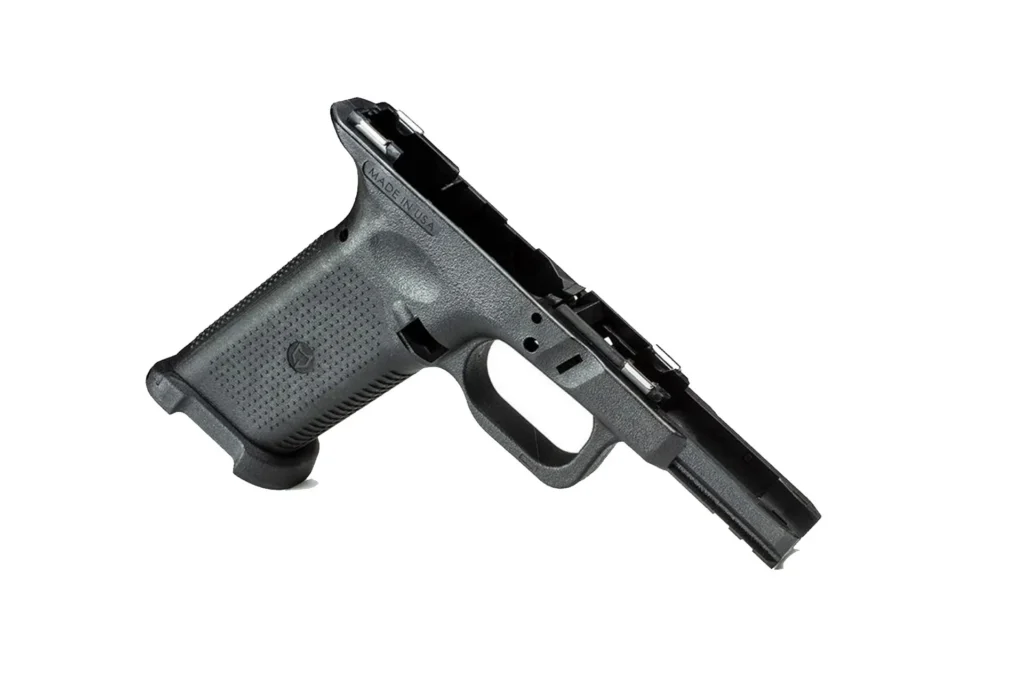
Before starting any build, make sure you understand your local, state, and federal laws. In many cases, the frame is the regulated firearm, and laws around unfinished frames, serialized frames, background checks, and self-assembled firearms can vary by location. When in doubt, speak with a qualified FFL or firearms attorney before buying parts or beginning a build.
This guide is not a step-by-step gunsmithing manual. Instead, it focuses on the most common beginner mistakes to avoid when using a Glock Parts Kit.
Mistake 1: Buying Parts Before Choosing the Right Platform
One of the biggest mistakes beginners make is ordering a parts kit before confirming the exact Glock generation, model, and frame size they plan to build. Glock 17, Glock 19, Glock 26, Glock 43, and other models do not all use the same parts. Compatibility with Gen 3, Gen 4, and Gen 5 also matters.
Before buying, decide whether you are building a compact, full-size, or subcompact pistol. Then confirm that your frame, slide, barrel, recoil assembly, trigger components, pins, locking block, and magazines are all designed to work together.
For a visual reference, use the Glock Parts Diagram | Black Rifle Depot Glock Parts Guide to better understand where each component fits and how the major parts relate to each other.
Mistake 2: Mixing Incompatible Frame and Slide Parts
A Glock-style pistol build depends on proper fit between the frame, slide, barrel, recoil spring assembly, and internal parts. If one part is made for a different generation or model, the pistol may not cycle, reset, feed, or lock up correctly.
This is especially common when beginners mix aftermarket slides with random lower parts kits or buy a barrel without confirming slide compatibility. Before installing anything, compare the product descriptions carefully and make sure every part is intended for the same model family.
Mistake 3: Using Cheap Tools or Forcing Parts
Many beginner problems come from using the wrong tools or forcing small parts into place. Glock-style pistols are simple compared to many firearms, but small springs, pins, and trigger components still require care.
Basic tools may include a Glock armorer’s punch, bench block, small hammer, needle-nose pliers, gun-safe lubricant, and safety glasses. A clean, well-lit work area also helps prevent lost springs or damaged pins.
If a part does not fit, stop and inspect it. Forcing parts can damage the frame, bend a spring, mar the slide, or create a safety issue.
Mistake 4: Skipping Function Checks
After assembly, the pistol should be inspected and function-checked before any live-fire use. Beginners sometimes assume that if the parts fit together, the build is ready to shoot. That is a mistake.
A proper inspection should confirm safe trigger operation, slide movement, reset, magazine fit, and basic mechanical function. If anything feels gritty, stuck, loose, or inconsistent, do not fire it until the issue is resolved by a qualified professional.
Mistake 5: Expecting Every Aftermarket Kit to Run Like OEM
Aftermarket Glock Parts Kits can work very well, but quality varies. OEM parts are often the safest choice for reliability, especially for a defensive pistol. Aftermarket parts are popular for custom builds, competition setups, upgraded triggers, and appearance, but every change can affect fit and function.
For beginners, it is usually better to start with proven, reliable components instead of chasing the cheapest kit or the most aggressive upgrades.
Mistake 6: Ignoring Break-In, Lubrication, and Ammo Choice
If your build does not cycle properly, the issue may not be just one part. Common causes include poor lubrication, weak grip technique, an overly stiff recoil spring, rough slide-to-frame fit, magazine issues, or underpowered ammunition.
Start with quality factory ammunition, inspect the magazines, and make sure the pistol is properly lubricated. If cycling problems continue, stop using the firearm and have it inspected.

FAQ: Glock Parts Kits
Before buying or assembling a Glock Parts Kit, it helps to understand the most common questions beginners ask. The answers below cover parts compatibility, legal considerations, tools, reliability, troubleshooting, and what to expect before starting your build
What parts do you need to build a Glock from a parts kit?
A typical Glock-style build may require a frame, slide, barrel, recoil spring assembly, slide parts kit, lower parts kit, locking block, pins, sights, and magazines. The exact parts depend on the Glock model and generation.
Is it legal to build a Glock from a parts kit in 2026?
It depends on where you live and what type of frame or kit you are using. Federal law regulates frames and receivers, and some states have additional rules for unfinished frames, serialized parts, background checks, and self-assembled firearms. Always confirm the law before starting.
What is the hardest part of assembling a Glock for beginners?
For many beginners, the hardest part is correctly matching the frame, slide, and small internal parts. Small springs and trigger components can also be frustrating to work with without the right tools and experience.
Can you build a Glock without any gunsmithing experience?
Some people do, but beginners should take it seriously. Use quality parts, study the platform, follow safe practices, and have the completed firearm inspected if you are unsure.
What tools are required to build a Glock from a parts kit?
Common tools include a punch, bench block, small hammer, needle-nose pliers, lubricant, safety glasses, and a clean work surface. Some builds may require additional tools depending on the parts used.
What are the most common mistakes people make when building a Glock?
The most common mistakes include buying incompatible parts, forcing pins, mixing generations, skipping function checks, choosing low-quality parts, and assuming every aftermarket kit will fit like OEM.
How do you choose the right Glock frame and slide for your build?
Start by choosing the model and generation you want to build. Then match the frame, slide, barrel, recoil assembly, magazines, and parts kit to that same platform.
Why is my Glock parts kit not cycling properly after assembly?
Cycling issues can come from poor lubrication, tight slide fit, recoil spring weight, magazine problems, ammo choice, incorrect parts, or installation errors. Stop using the firearm until the issue is identified.
Where can you buy Glock parts kits?
You can buy Glock Parts Kits and compatible Glock-style components from Black Rifle Depot. Choose parts based on your exact Glock model, generation, frame size, and build goals so everything fits properly before you begin.
Are aftermarket Glock parts kits as reliable as OEM Glock parts?
Some aftermarket kits are very reliable, but OEM parts are often preferred for maximum dependability. Aftermarket parts are best chosen from reputable brands with proven fit and performance.
How much does it cost to build a Glock from a parts kit in 2026?
Cost varies based on the frame, slide, barrel, sights, trigger, and parts quality. Budget builds may cost less, while upgraded slides, barrels, optic cuts, and premium internals can quickly raise the total.
Final Thoughts
Building a Glock-style pistol from a Glock Parts Kit can be a great way to learn the platform, customize your setup, and better understand how the parts work together. The key is to slow down, buy compatible components, avoid shortcuts, and follow all applicable laws before beginning any build.
A successful project starts with choosing the right frame, slide, and parts kit for your specific model and generation. It also means using the proper tools, carefully checking fitment, and ensuring the finished firearm is safe and reliable before use. Beginners should focus on quality parts and careful planning instead of rushing into the cheapest or most complicated setup.
When you are ready to start your build, shop Glock Parts Kits, compatible components, and helpful Glock parts resources at Black Rifle Depot.
For additional support, check out our X Page.
