
AR-15 Tools, AR-15 Upper Vise Block
Why You Need an AR-15 Upper Vise Block for Better Builds
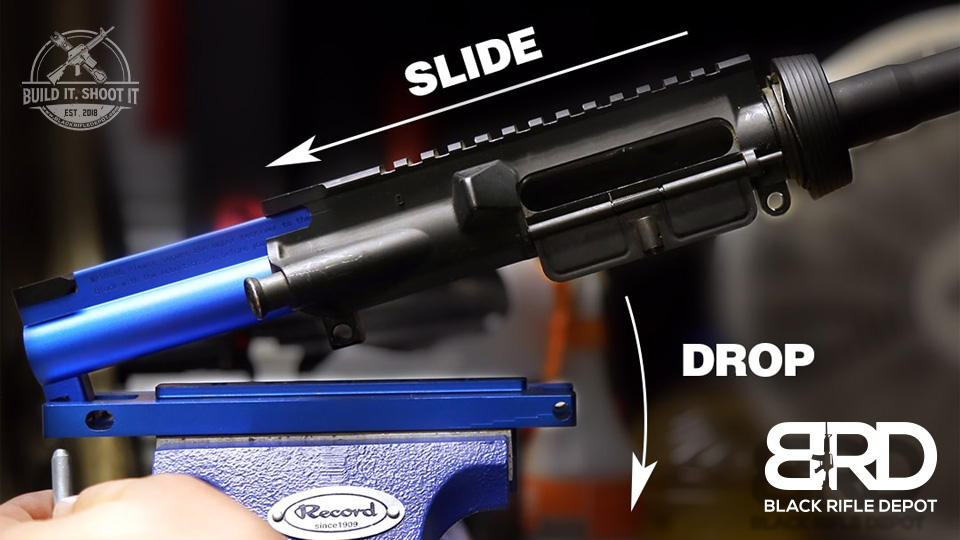
May
Table of Contents
Building or upgrading an AR-15 upper gets much easier when your receiver stays secure, protected, and properly supported. Whether you are installing a barrel, changing a handguard, swapping a muzzle device, or maintaining key AR-15 upper parts, the right tool can make the job cleaner and more controlled.
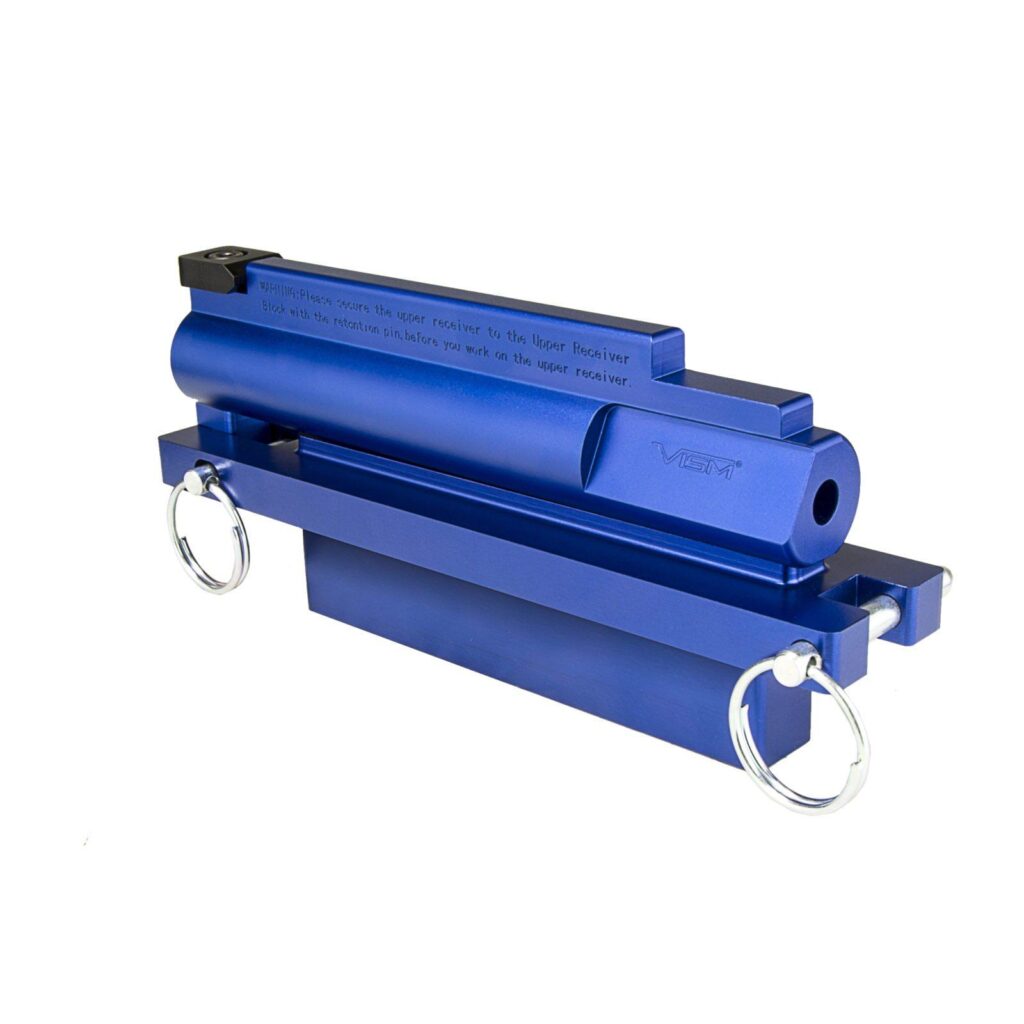
That is where an AR-15 Upper Vise Block comes in. Instead of fighting a loose upper receiver on the bench, a vise block helps hold the upper in place while you work. In this guide, we will explain why an AR-15 upper receiver vise block belongs in your build kit, when to use one, what features matter, and where to find the right tools and AR-15 Upper Parts at Black Rifle Depot.
What Is an AR-15 Upper Vise Block?
An AR-15 Upper Vise Block is a gunsmithing tool designed to support your upper receiver while it sits in a bench vise. It gives your upper a more stable work surface and helps reduce the risk of twisting, crushing, scratching, or marring the receiver during maintenance or assembly.
A standard upper receiver was not designed to be clamped directly into a vise. If you place the receiver in a vise without proper support, you can damage the finish, distort the receiver, or put stress on areas that should not carry that load. A vise block solves that problem by creating a safer contact point between the vise and the upper.
Different vice blocks support the upper in different ways. Some clamp around the receiver. Others engage the takedown lugs, Picatinny rail, barrel extension, or star chamber. The right choice depends on the job, your receiver style, and the AR-15 upper parts you plan to install.
For example, the Wheeler Delta Series AR-15 Upper Vise Block Clamp supports Mil-Spec A2 and flattop-style receivers and uses a solvent-resistant polymer design for maintenance, cleaning, and barrel work. Black Rifle Depot notes that it helps hold the upper securely without twisting, crushing, or marring the finish.
Why You Need an AR-15 Upper Receiver Vise Block
You need an ar 15 upper receiver vise block because upper receiver work often requires control, alignment, and stability. When the upper moves around during a parts install, the job becomes harder than it needs to be. A vise block keeps the receiver steady, so you can focus on the part you are installing rather than fighting the rifle.
This matters most when you work on parts that connect directly to the upper receiver. Barrel nuts, handguards, muzzle devices, forward assists, dust covers, gas system parts, and charging-handle-related maintenance all benefit from a secure work setup. Even simple cleaning can feel easier when the upper stays in a fixed position.
A vice block also helps protect your investment. AR-15 Upper Parts may seem rugged, but improper clamping can still cause cosmetic or functional damage. Scratches, crushed edges, and alignment issues can turn a simple project into an expensive mistake. A good vise block gives you a safer way to hold the upper while you work.
For builders who plan to assemble more than one upper, the tool becomes even more valuable. Instead of improvising every time, you can create a repeatable setup. That saves time, reduces frustration, and helps make each build feel more professional.
When Should You Use an AR-15 Upper Vise Block?
You should use an AR-15 Upper Vise Block whenever you need to secure the upper receiver for maintenance, cleaning, or installation. It becomes especially helpful when the job requires both hands or when the part needs steady alignment.
Common uses include barrel installation, barrel nut removal, handguard installation, muzzle device swaps, gas tube alignment, and general upper receiver maintenance. You can also use a vise block when cleaning because it holds the upper at a more convenient angle and keeps the workbench organized.
The Wheeler Delta Series AR-15 Upper Vise Block Clamp works well for many general upper-receiver tasks because Wheeler designed it for Mil-Spec A2 carry-handle and flattop-style receivers. It also includes a receiver insert with a gas tube alignment system, which helps during barrel and barrel nut work.
Not every job requires the same support style, though. If you need support for the barrel extension or star chamber, a tool like the Real Avid Lug Lock Upper Vise Block offers an alternative. Black Rifle Depot’s product page explains that it secures the AR-15 upper by the star chamber to help prevent deformation and support safe torquing.

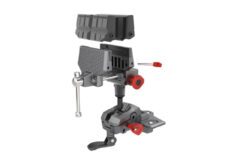
How a Vise Block Protects AR-15 Upper Parts
A quality vise block protects AR-15 Upper Parts by preventing stress from concentrating on weak or unsupported areas. When you clamp an upper directly in a vise, the pressure concentrates on the receiver walls. That can create problems, especially during higher-resistance work.
A vise block spreads support across the correct areas. Polymer blocks help protect the receiver’s finish. Lug-style blocks support stronger internal contact points. Picatinny rail blocks can secure certain uppers by using the top rail. Each design gives builders a better option than bare vise jaws.
This support matters because many upper parts work together as a system. The barrel, gas tube, gas block, handguard, muzzle device, bolt carrier group, and charging handle all rely on proper alignment and fit. If the receiver shifts while you work, you can make installation harder or create avoidable fitment issues.
A vise block also helps reduce accidental slips. When a receiver moves while you apply pressure, tools can slide and damage the part, the finish, or your workbench. A stable setup gives you more confidence and better control.
For builders working with quality AR-15 Upper Parts, the vise block should not feel optional. It works like insurance for the project. You may not notice it when everything goes smoothly, but you will appreciate it when a stubborn part refuses to move.
Choosing the Right AR-15 Upper Vise Block
The best AR-15 Upper Vise Block depends on your receiver style, the work you plan to do, and the level of support you want. Before you buy, check your upper receiver type and think about the projects you handle most often.
A traditional clamshell-style block works well for many standard receivers. It gives broad support and makes general upper work more manageable. The AR-15 Upper Vise Block at Black Rifle Depot features a heavy-duty, solvent-resistant polymer and supports AR-15/M16 maintenance, assembly, and service work.
A barrel-extension-style tool can work well for builders who want to support the upper through stronger internal geometry. The Magpul AR 15 BEV Vise Block gives builders a compact, multifunctional option for AR15/M4 assembly operations and can also invert to support lower receiver maintenance through the mag well.
A rail-style tool gives another option for builders with different upper platforms. The Odin Works Vise Block – Gen 2 Red – OT-VB-RED secures AR-15 uppers by the takedown lugs and can also clamp many integrated rail setups by sliding onto the Picatinny rail.
Here is a simple comparison:
| Vise Block Style | Best For | Key Benefit |
|---|---|---|
| Clamshell upper block | General AR-15 upper work | Broad receiver support |
| Lug or barrel-extension block | Barrel and torque-related work | Supports stronger internal areas |
| Pic rail vise block | Flat-top and rail-equipped uppers | Flexible upper receiver support |
| Multi-use block | Builders with multiple projects | More versatility from one tool |
Pair Your Vise Block with the Right AR-15 Upper Parts
A vise block works best when used as part of a complete build setup. If you plan to upgrade your upper, make sure you also choose the right AR-15 Upper Parts for your rifle’s purpose.
The upper receiver group includes many important components. Barrels affect accuracy, handling, weight, and caliber choice. Handguards affect grip, accessory mounting, and heat management. Gas blocks and gas tubes control cycling. Muzzle devices influence recoil feel, flash reduction, and overall rifle balance. Bolt carrier groups and charging handles affect reliability and operation.
Black Rifle Depot’s AR-15 Upper Parts category makes it easy to shop major upper components, including AR-15 barrels, bolt carrier groups, charging handles, gas blocks and tubes, handguards, upper receivers, muzzle devices, and upper build kits.
When you combine the right parts with the right tools, the build process becomes much smoother. A vise block helps hold the upper steady, but quality parts help the final rifle perform the way you want. That combination matters whether you are building a lightweight rifle, a range-focused upper, a home-defense setup, or a precision-style configuration.
If you are new to upper receiver work, start with the basics. Choose parts that match your barrel length, gas system, handguard style, and intended use. Then use a proper vise block to support the receiver during the project.
Common Mistakes to Avoid When Working on an AR-15 Upper
The biggest mistake builders make is trying to do upper receiver work without proper support. Holding the upper by hand or clamping it directly in a vise can create avoidable problems. A vise block gives you a safer and more stable setup from the start.
Another common mistake involves using the wrong support tool for the job. A lower receiver vise block does not replace an upper receiver vise block. Lower blocks work well for lower receiver maintenance, but they do not properly support the upper during barrel, handguard, or muzzle device work. Black Rifle Depot’s Trinity Force lower vise block page even notes that this style of lower block is not intended for high-torque work like barrel nut installation.
Builders also need to check compatibility. Some vise blocks work best with Mil-Spec receivers, while others fit flattop, A2-style, AR-10 platforms, or specific rail designs. Before you order, confirm that the block matches your upper receiver style.
You should also avoid rushing the setup. A vise block only helps if you seat the upper properly and secure the vise correctly. Take a moment to confirm the receiver sits straight, the block engages correctly, and your workspace gives you enough room to work without forcing awkward angles.
Is an AR-15 Upper Vise Block Worth It?
Yes, an AR-15 Upper Vise Block is worth it for anyone who plans to maintain, assemble, or upgrade AR-15 Upper Parts. It does not take many projects for the tool to prove its value.
If you only clean your rifle occasionally, a vise block still makes the process easier and more organized. If you install barrels, change handguards, replace muzzle devices, or build uppers from parts, it becomes one of the most important tools on the bench.
The value comes from three main benefits: protection, stability, and repeatability. It protects the receiver from improper clamping. It stabilizes the upper while you work. It gives you a repeatable setup every time you start a new project.
A quality vise block also helps you work with more confidence. Instead of wondering whether your receiver will shift, slip, or get damaged, you can focus on the task. That makes the build experience better and helps you take better care of your rifle.
For most AR-15 owners, the tool costs far less than replacing a damaged upper receiver or paying to fix a mistake. That alone makes it a smart addition to the workbench.
FAQ: AR-15 Upper Vise Blocks
Choosing the right tool can feel confusing when several vice block styles look similar. These common questions will help you understand what an AR-15 Upper Vise Block does, when to use one, and how it fits into your AR-15 upper parts setup.
What does an AR-15 Upper Vise Block do?
An AR-15 Upper Vise Block holds and supports the upper receiver while it sits in a bench vise. It helps keep the receiver stable during maintenance, cleaning, barrel work, handguard installation, and other AR-15 upper parts projects.
Do I really need an ar 15 upper receiver vise block?
Yes, you should use an ar 15 upper receiver vise block if you plan to work on your upper receiver. It helps protect the receiver from damage caused by vice work and gives you better control during parts installation or maintenance.
Can I clamp an AR-15 upper directly in a vise?
You should not clamp an AR-15 upper receiver directly in a vise. Direct clamping can scratch, crush, or distort the receiver. A vise block creates a safer support surface and helps prevent damage.
Which AR-15 Upper Vise Block should I choose?
Choose a vise block that matches your receiver and the work you plan to do. A clamshell-style block works well for general maintenance, while lug-style and Picatinny rail blocks may offer advantages for specific upper receiver setups.
Can I use a lower vise block for upper receiver work?
A lower vise block does not replace an upper vise block. Lower blocks support the lower receiver through the magazine well. Upper receiver work needs a tool designed to support the upper safely.
What AR-15 Upper Parts should I upgrade first?
Many builders start with a barrel, handguard, charging handle, bolt carrier group, gas block, gas tube, or muzzle device. The right upgrade depends on your rifle’s purpose and the performance improvement you want.
Conclusion: Get Your Vise Blocks at Black Rifle Depot
An AR-15 Upper Vise Block gives builders a safer, cleaner, and more controlled way to work on an upper receiver. It helps protect the receiver, keeps the upper steady, and makes common build or maintenance tasks easier to manage. Whether you are assembling a new upper, upgrading an existing rifle, or handling routine maintenance, the right tools can make the process smoother from start to finish.
When you need AR-15 Upper Parts, Black Rifle Depot is a trusted source for components and tools for your next build. From upper receiver parts to build essentials, Black Rifle Depot makes it easy for shooters and builders to shop quality AR-15 parts in one place. Explore the selection at Black Rifle Depot and get the parts you need to build with confidence.
For additional resources, check out our Rumble Channel.
