
AR-15 Barrels
AR-15 Barrel Gas Systems: Carbine vs. Mid-Length vs. Rifle-Length
Sep
Table of Contents
Choosing between carbine, mid-length, and rifle-length gas systems starts with understanding the AR-15 barrel itself. Barrel length and gas system length work together, but they are not interchangeable measurements. Two barrels can share the same overall length while using different gas port locations.
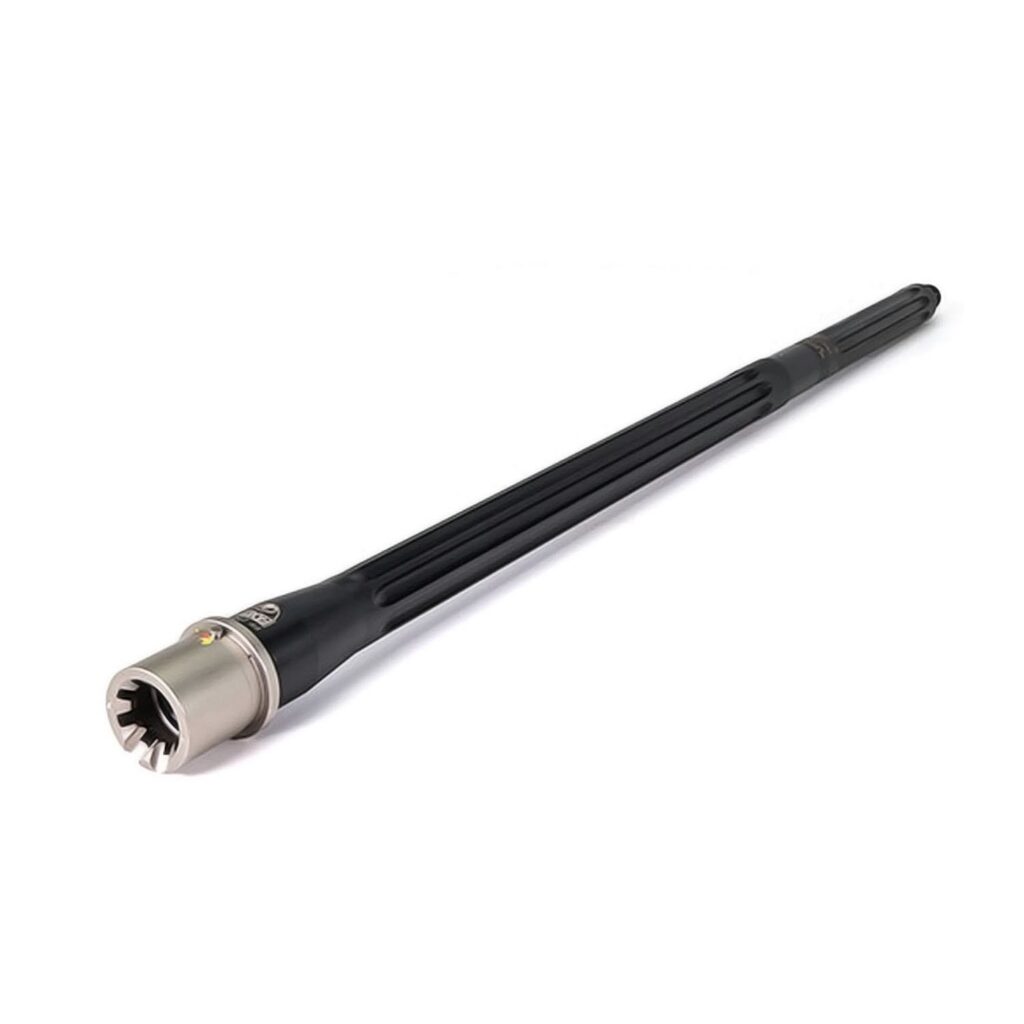
That difference affects how the rifle cycles, how much gas reaches the action, and how the recoil impulse feels. It can also influence long-term wear and overall reliability.
For anyone comparing the best AR-15 barrels, gas system length deserves as much attention as barrel length, profile, twist rate, and chambering. A quality barrel should match the intended gas system and overall build.
This guide explains how carbine, mid-length, and rifle-length systems relate to common AR-15 barrel lengths. It also covers dwell time, gas port location, barrel profiles, and several common barrel configurations.
How an AR-15 Gas System Relates to the Barrel
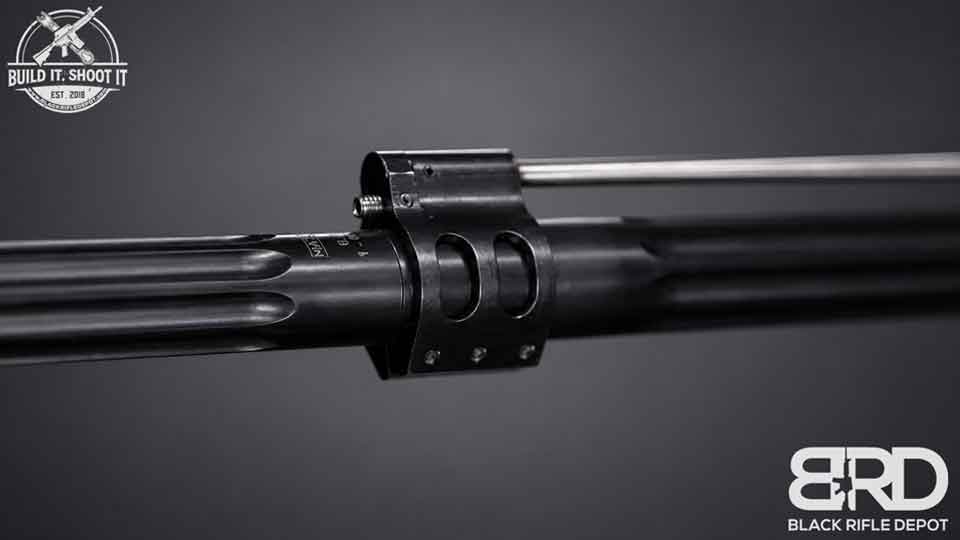
The AR-15 gas system uses gas from a fired cartridge to help cycle the action. A small gas port in the barrel directs gas into the gas block. From there, gas travels through the gas tube toward the bolt carrier group.
The gas port’s location determines the gas system length. Carbine systems place the port closer to the chamber. Mid-length systems move it farther forward, while rifle-length systems position it farther down the barrel.
The barrel must already include the correct gas port location. You cannot simply choose any gas tube length for any barrel.
For that reason, the gas system usually follows the barrel design. When shopping for AR-15 barrels, check the listed gas system length before choosing related components.
Carbine-Length Gas Systems
Carbine-length gas systems became widely associated with shorter AR-pattern carbines. The gas port sits closer to the chamber than on mid-length or rifle-length systems.
This shorter distance allows gas to reach the action earlier in the firing cycle. It can provide strong cycling energy, especially on shorter barrels.
Carbine gas remains common on a 10.5-inch AR-15 barrel and other compact configurations. It can also appear on many 14.5-inch and 16-inch barrels.
A 14.5-inch AR-15 barrel with carbine gas can deliver dependable operation when properly configured. The same barrel length may also use a mid-length system.
That illustrates an important point. Barrel length alone does not determine gas system length.
Carbine gas can also appear on some 16-inch rifles. However, many modern builders prefer mid-length gas on that barrel length.
Mid-Length Gas Systems
Mid-length gas systems place the gas port farther from the chamber than carbine systems. That added distance changes when gas enters the action.
A mid-length system often produces a smoother recoil impulse on 16-inch barrels. It can also reduce the amount of gas reaching the action compared with some carbine configurations.
That combination has made mid-length gas especially popular on general-purpose 16-inch AR-15 rifles.
Many premium manufacturers also use mid-length systems on 14.5-inch barrels. The correct gas port sizing and ammunition choice remain important for reliable cycling.
An 18-inch barrel can also use mid-length gas. However, rifle-length gas becomes another common option at that barrel length.
This overlap is why buyers should always verify the barrel specifications. Never assume a particular length automatically uses one gas system.
Rifle-Length Gas Systems
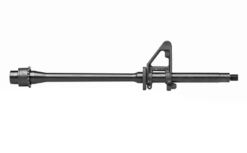
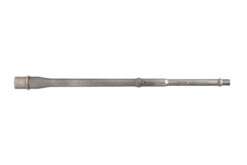
Rifle-length gas systems place the gas port farther forward than carbine or mid-length systems. They originally became associated with longer AR-pattern rifle barrels.
A 20-inch AR-15 barrel commonly uses a rifle-length gas system. This combination closely matches the proportions of traditional full-length AR-pattern rifles.
The longer system generally produces a smoother cycling impulse when paired with an appropriate barrel. The gas reaches the system later, and pressure has more time to decrease.
Rifle-length gas also appears on many 18-inch barrels. Precision-oriented and competition builds frequently use this combination.
Some manufacturers have even produced 16-inch barrels with rifle-length gas systems. These configurations require careful engineering because available dwell time becomes shorter.

What Is Dwell Time?
Dwell time describes the period between the bullet passing the gas port and leaving the muzzle. During this interval, pressure continues feeding gas into the system.
The distance between the gas port and muzzle strongly affects that timing. More distance generally creates more dwell time, while less distance reduces it.
However, physical distance is only part of the equation. Ammunition pressure, gas port diameter, barrel length, and other factors also influence cycling behavior.
Too much gas can make the action cycle harder than necessary. Too little gas may prevent consistent cycling under some conditions.
Manufacturers balance these factors when designing a barrel. That is why the best approach is usually choosing a properly designed barrel instead of mixing unrelated gas components.
Why Barrel Length Does Not Always Determine Gas Length
It is easy to assume every 16-inch barrel uses mid-length gas or every 18-inch barrel uses rifle-length gas. In reality, manufacturers can place the gas port in different locations.
A 16-inch barrel may use either carbine or mid-length gas. Some specialized examples may even use rifle-length systems.
An 18-inch barrel commonly uses either mid-length or rifle-length gas. The choice depends on the barrel’s intended role and engineering.
Gas port diameter can also vary between barrels. A manufacturer may tune the port around a specific gas length, barrel length, and expected ammunition.
This is why two AR-15 barrels with identical overall lengths can behave differently.
10.5-Inch AR-15 Barrels
A 10.5-inch AR-15 barrel is commonly associated with carbine-length gas. The shorter overall barrel leaves less room between the chamber, gas port, and muzzle.
Compact barrels require careful gas system tuning because dwell time becomes more limited. Manufacturers often adjust gas port sizing to maintain dependable cycling.
Short barrels also fall under different legal rules depending on the firearm configuration. Buyers should understand applicable federal, state, and local laws before selecting an AR-15 short barrel.
14.5-Inch AR-15 Barrels
The 14.5-inch barrel sits between compact carbine lengths and the common 16-inch civilian rifle barrel.
Manufacturers offer both carbine and mid-length gas systems at this length. Carbine gas provides more distance between the gas port and muzzle.
Mid-length gas places the port farther forward and can create a smoother cycling feel. However, proper gas port sizing becomes especially important.
A 14.5-inch AR-15 barrel also involves legal considerations when installed on a rifle. Barrel configuration and muzzle devices can affect overall legal status.
16-Inch AR-15 Barrels
The 16-inch barrel remains one of the most common choices for general-purpose AR-15 rifles.
Both carbine and mid-length gas systems are widely available at this length. Carbine systems have a longer history, while mid-length systems have become increasingly popular.
Many shooters prefer mid-length gas because it often delivers a smoother recoil impulse. It can also reduce unnecessary operating force when properly tuned.
However, a well-designed carbine-gas 16-inch barrel can still offer excellent reliability.
When comparing the best AR-15 barrels, focus on overall barrel quality instead of gas length alone.
18-Inch AR-15 Barrels
Eighteen-inch barrels frequently appear on precision, competition, and general-purpose builds.
Both mid-length and rifle-length gas systems work at this barrel length. The best choice depends on how the manufacturer designed the barrel.
Rifle-length gas often appeals to shooters seeking a smoother cycling impulse. Mid-length gas can provide additional operating pressure and flexibility.
Neither choice is automatically superior. A properly designed barrel should balance gas port location, port diameter, and dwell time.
20-Inch AR-15 Barrels
A 20-inch AR-15 barrel is most commonly paired with a rifle-length gas system.
This configuration provides generous distance between the gas port and muzzle. It also closely follows the original full-length AR-pattern rifle layout.
Longer barrels can provide additional velocity with many cartridges. They also work well for precision-focused and traditional rifle builds.
The tradeoff is additional length and weight compared with shorter configurations.


How Barrel Profile Affects the Build
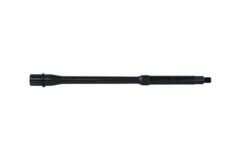
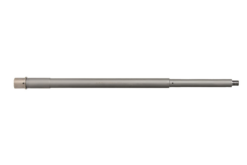
Gas system length is only one part of barrel selection. AR-15 barrel profiles also influence weight, balance, and heat management.
Lightweight profiles reduce overall rifle weight and improve handling. Government-style profiles provide a familiar compromise between weight and durability.
An AR-15 bull barrel uses a much heavier profile. These barrels often appear on precision-focused rifles where stability matters more than lightweight handling.
Some shooters also consider a carbon fiber AR-15 barrel for reduced weight. Carbon-wrapped designs aim to combine stiffness with lower overall mass.
The best profile depends on the rifle’s intended purpose.
Threaded Barrels and Muzzle Devices
Most modern AR-15 threaded barrels include muzzle threads for compatible muzzle devices.
Threading lets you use flash hiders, compensators, brakes, and other legal accessories. Thread pitch depends on the barrel’s caliber and design.
The muzzle device does not determine gas system length. However, some muzzle devices can influence overall shooting characteristics.
Buyers should confirm thread specifications before choosing compatible accessories.
Barrel Extensions and Barrel Assemblies
A barrel extension for an AR-15 attaches to the rear of the barrel and interfaces with the bolt. It also contains the locking lugs the bolt engages when it enters battery.
Most consumers purchasing a finished barrel receive the barrel extension already installed. Beginners generally don’t need to select this component separately.
An AR-15 barrel assembly may include additional parts, depending on the manufacturer. Packages can include a gas block, gas tube, muzzle device, or other components.
Always review the product listing to understand exactly what comes with the barrel.
Barrel Shrouds and Covers
An AR-15 barrel shroud surrounds or partially covers part of the barrel. These products can serve different cosmetic or protective purposes depending on their design.
The Guntec USA AR-15 slip-over barrel shroud is one example of this accessory category. Buyers should verify compatibility with barrel diameter, threading, and surrounding components.
An AR-15 barrel cover can also refer to protective or cosmetic components. Neither accessory changes the barrel’s underlying gas port location.
Gas system compatibility still depends on the barrel itself.
Choosing Premium AR-15 Barrels
When comparing premium AR-15 barrels, consider gas system length alongside several other specifications.
Look at barrel material, chambering, twist rate, profile, finish, gas system length, and intended role. Manufacturer quality control also matters.
A Faxon AR-15 barrel, for example, may be offered in several profiles, lengths, and gas configurations. The correct option depends on the intended rifle setup.
The best AR-15 barrels are not necessarily the most expensive. The better choice is a barrel designed around your intended use.
A lightweight 16-inch mid-length barrel may suit a general-purpose rifle. An 18-inch rifle-gas barrel may better fit a precision-oriented build.
Choose the Barrel Before the Gas System
For most builds, choosing the barrel first makes the most sense.
The barrel determines the gas port location. That specification then tells you which gas tube length the barrel requires.
Starting with the barrel also helps narrow down gas block dimensions, handguard clearance, muzzle threads, and other components.
This approach reduces compatibility problems and avoids purchasing unnecessary parts.
Tools and Barrel Installation
Barrel installation requires compatible tools and proper procedures. One common tool is an AR-15 barrel nut wrench, which interfaces with the barrel nut.
Different handguard systems can use different barrel nuts. They may also require proprietary wrench designs.
Builders should always follow the component manufacturer’s instructions. Incorrect assembly can create reliability or safety problems.
If you are unfamiliar with AR-15 barrel installation, a qualified gunsmith can verify proper assembly.
Final Thoughts: Choosing the Best AR-15 Barrel and Gas System
Carbine, mid-length, and rifle-length gas systems can all perform well when matched to the right barrel. Barrel length alone does not determine which gas system a build should use.
A 16-inch barrel may use carbine or mid-length gas, while an 18-inch barrel may use mid-length or rifle-length gas. A 20-inch barrel commonly pairs with a rifle-length system.
When comparing the best AR-15 barrels, consider the barrel’s intended use first. Then compare length, profile, chambering, twist rate, gas system, and overall construction quality.
For builders looking for AR-15 barrels for sale, Black Rifle Depot carries options for a wide range of builds. Shoppers can find different lengths, profiles, calibers, and gas system configurations for general-purpose, compact, and precision setups.
Choosing the right barrel first makes the rest of the build easier. Once you select the barrel, you can match the right gas system and supporting components with much more confidence.
FAQ: AR-15 Barrels and Gas System Lengths
Choosing between carbine, mid-length, and rifle-length gas can confuse new builders. These common questions explain how gas system length relates to barrel design.
Can a 16-inch AR-15 barrel use either a carbine- or mid-length gas system?
Yes. Manufacturers commonly produce 16-inch barrels with either carbine or mid-length gas systems.
The correct system depends on where the manufacturer drilled the gas port. Always check the barrel specifications before buying a gas tube.
Why do some 18-inch AR-15 barrels use mid-length gas while others use rifle-length gas?
Manufacturers can design an 18-inch barrel around either gas system. The choice affects gas port location, dwell time, and cycling characteristics. Properly engineered versions of both systems can perform reliably.
Can a rifle-length gas system work with a 16-inch AR-15 barrel?
Yes, specialized 16-inch rifle-gas barrels exist. However, the shorter distance between the gas port and muzzle reduces available dwell time. The barrel must be specifically designed for that configuration.
What is dwell time, and why does it matter when matching an AR-15 gas system to a barrel?
Dwell time occurs between the bullet passing the gas port and leaving the muzzle. During this period, gas continues entering the system. Enough dwell time helps support consistent cycling.
How does gas port location determine whether an AR-15 barrel uses carbine-, mid-length-, or rifle-length gas?
The distance between the chamber and gas port determines the system length. Each system places the port at a different location. The barrel’s gas port therefore dictates the required gas tube length.
Why can two AR-15 barrels of the same length require different gas system lengths?
Manufacturers can place gas ports at different locations on barrels with the same overall length.
A 16-inch barrel may use carbine or mid-length gas. An 18-inch barrel may use mid-length or rifle-length gas.
Is an 18-inch AR-15 barrel better suited to a mid-length or rifle-length gas system?
Both can work well. Rifle-length systems often provide a smoother cycling impulse, while mid-length systems provide more operating pressure. The manufacturer’s barrel design matters more than the label alone.
What happens when an AR-15 barrel has too much or too little dwell time?
Excessive gas can make the action cycle harder than necessary. Insufficient gas can contribute to inconsistent cycling. Gas port diameter and ammunition also influence this balance.
How can I identify the gas system length built into an AR-15 barrel before buying parts?
Check the manufacturer’s specifications or product description. The listing should identify the barrel’s required gas system length. Do not determine gas length based only on overall barrel length.
Should I choose the AR-15 barrel first or the gas system length first?
In most cases, choose the barrel first. The barrel already determines the gas port position and required gas system length. Then you can select a compatible gas block and gas tube.
For additional support and online deals, check out our X Page.
