
AR-15 accessories
AR-15 Accessories for Sale: Best Upgrades to Buy First
Aug
Table of Contents
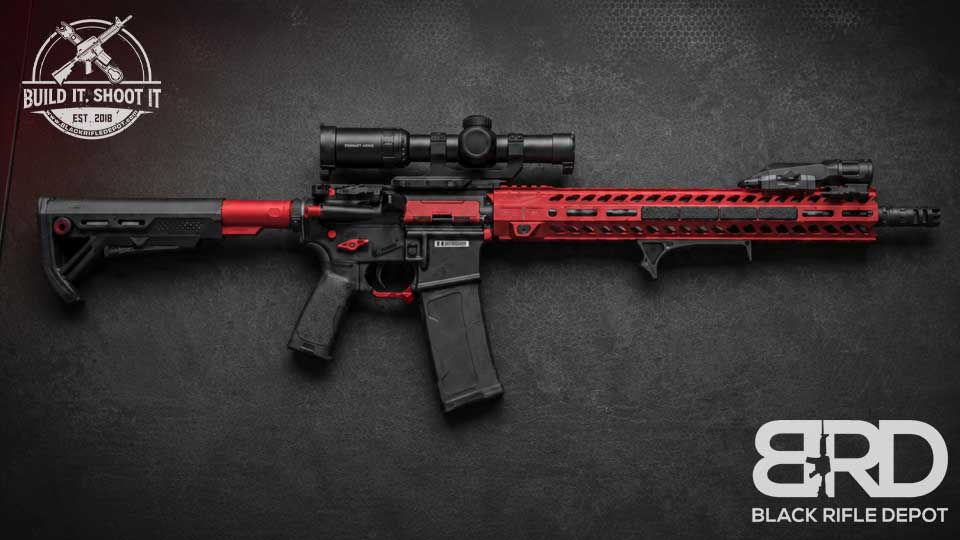
Choosing the right AR-15 Accessories is easier when every purchase has a clear purpose. The market includes optics, sights, slings, grips, lights, bipods, cases, rail covers, controls, and specialized upgrades, but not every product is suitable for every rifle. A practical setup should improve aiming, control, comfort, safety, or adaptability without making the rifle unnecessarily heavy or complicated.
For most rifle owners, the best approach is to purchase AR-15 Accessories in stages. Start with the equipment needed to aim, carry, and protect the rifle. You can then add handling upgrades, illumination, support equipment, and specialized components after spending time with the rifle.
This method prevents wasted money and helps ensure that each upgrade solves a real problem. Whether you are setting up a new rifle or improving an existing build, the goal should be a balanced and functional configuration rather than simply installing as many products as possible.
Define the Rifle’s Purpose Before Buying Accessories
Before shopping, decide how the rifle will be used. A general-purpose range rifle has different needs than a home-defense rifle, a hunting setup, a competition build, or a compact AR pistol. The intended role should determine which upgrades receive priority.
A range rifle may only need reliable sights, a sling, a case, and a comfortable grip. A defensive rifle may benefit from a weapon-mounted light and a simple optic. A hunting rifle may need magnification, a bipod, and a comfortable sling. Competition rifles often require lightweight controls and carefully selected support equipment.
Buying AR-15 Accessories without defining the rifle’s purpose can lead to duplicated features, poor balance, and unnecessary expense. It is usually better to begin with a simple rifle and add equipment after identifying a specific need.
First Priority: A Reliable Aiming System
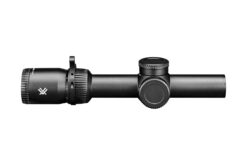
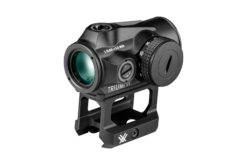
The first major upgrade should normally be a dependable aiming system. Iron sights, red dots, prism optics, low-power variable optics, and traditional rifle scopes all serve different purposes.
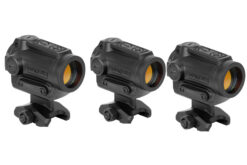
Iron sights are durable, lightweight, and do not require batteries. A red dot is fast at close to moderate distances and works well on a general-purpose rifle. A prism optic may be a better option for shooters who prefer an etched reticle, while magnified optics are generally more useful for identifying and engaging smaller targets at longer distances.
Among all AR-15 Accessories, the optic or sighting system often has the greatest effect on how quickly and confidently a shooter can use the rifle. The sight should match the expected distance, target size, lighting conditions, and shooter preference.
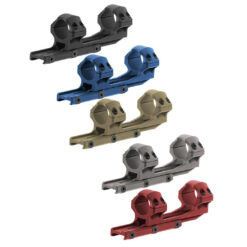
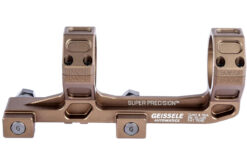
Do not overlook the mounting system. Some optics include a mount, while others require one to be purchased separately. Mount height affects cheek position, sight alignment, and compatibility with backup sights. A low-quality mount can undermine an otherwise dependable optic.
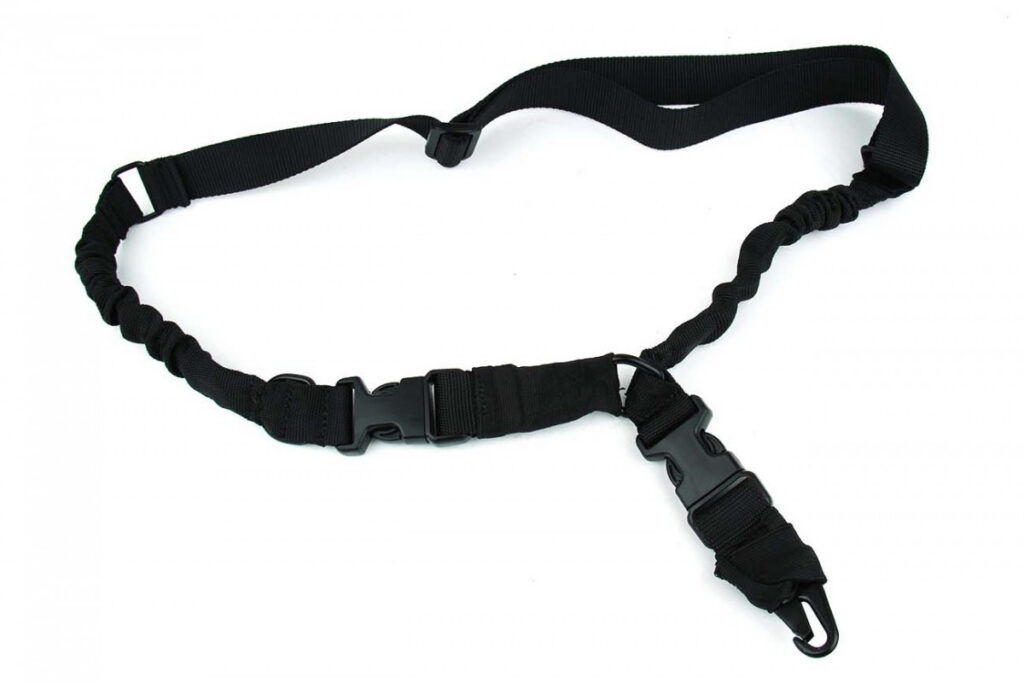
Second Priority: A Practical Rifle Sling
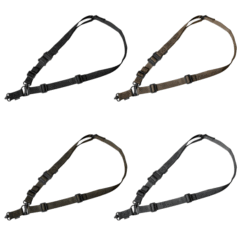
A sling is one of the most useful accessories for an AR-15 because it helps support the rifle, retain it during movement, and keep both hands available when necessary.
A two-point sling is the most versatile choice for many rifle owners. It can be adjusted for carry, support, or retention and works with a wide range of configurations. Single-point slings allow quick side-to-side movement but may provide less control when the rifle is released. Convertible slings offer additional flexibility but may add hardware and complexity.
When comparing AR-15 Accessories in this category, check whether the rifle already has sling loops, quick-detach sockets, or rail-mounted attachment points. A sling may require separate swivels, end plates, adapters, or mounts.
Attachment-point location also matters. Mounting the sling too far forward may interfere with the support hand, while placing it too close to the center of the rifle may reduce stability. Test different positions before making the setup permanent.
Third Priority: Safe Storage and Transportation
A durable rifle case protects the firearm during transportation and helps keep related equipment organized. It is often overlooked because it does not change the rifle’s appearance or handling, but it is one of the smartest early purchases.
Soft cases are lightweight, affordable, and convenient for ordinary range trips. Hard cases provide greater impact protection and may be preferred for air travel or rough transportation. The correct case should fit the rifle without forcing the optic, muzzle device, or stock against the edges.
Cases and storage products are practical AR-15 Accessories because they protect the investment already made in the rifle and optic. A well-designed case may also provide space for magazines, hearing protection, tools, cleaning supplies, and ammunition.
Measure the rifle in its normal configuration before choosing a case. Remember to account for muzzle devices, extended stocks, large optics, and other mounted equipment.


Improve Grip and Rifle Control
Once the rifle has an aiming system, a sling, and a case, the next step is to improve control. Pistol grips, hand stops, angled foregrips, vertical grips, rail covers, and enhanced controls can all change how the rifle feels in the hands.
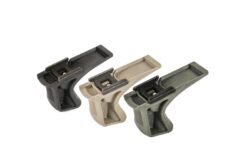
The best AR-15 accessories for control depend on hand size, handguard length, shooting style, and preferred support-hand placement. A vertical grip provides a larger gripping surface, while an angled foregrip supports a more swept-back hand position. A hand stop provides a compact indexing point without occupying much rail space.
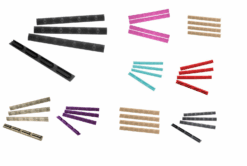
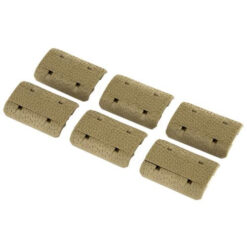
Rail covers improve comfort and may protect the support hand from sharp rail edges or heat. They are especially useful on handguards with unused Picatinny sections.
Avoid purchasing grip accessories only because they look aggressive or are popular online. Even crazy AR 15 accessories should have a functional reason for being installed. If a component does not improve comfort, control, consistency, or safety, it may not belong on the rifle.
Consider a Weapon-Mounted Light
A weapon-mounted light may be an important addition for a defensive or low-light rifle. It allows the shooter to illuminate and identify an area without occupying the support hand.
Lights vary in output, beam pattern, size, battery type, switch design, and mounting method. A high-output light is not automatically the best choice for every rifle. Indoor use may favor a balanced beam with usable surrounding illumination, while outdoor use may benefit from greater distance and a more concentrated beam.
Many AR-15 Accessories in the lighting category require additional components. The light may need an offset mount, a Picatinny rail section, a pressure switch, cable-management clips, or a replacement tailcap. Review the complete package before ordering so the installation does not require unexpected parts.
Switch placement should allow the light to be activated without changing the normal support-hand position. Pressure-switch cables should be secured away from hot surfaces, sharp edges, and moving parts.
Add Backup Sights When They Serve a Purpose
Backup iron sights can serve as an alternative aiming system if an electronic optic fails, loses power, or is damaged. They may be fixed or folding and are commonly paired with red dots or holographic sights.
Not every rifle requires backup sights. A rifle with a large magnified scope may not have enough rail space, while a simple range rifle may be adequately served by one dependable optic. However, folding sights can add redundancy without significantly increasing overall weight.
When shopping for AR-15 Accessories, confirm that the front and rear sights are designed for the same mounting height. A front sight intended for a lower gas-block rail may not align correctly with a rear sight mounted on the upper receiver.
You should also check whether the sights will fit beneath or around the optic. Some rear sights are designed with a low folded profile specifically for use under magnified optics.

Bipods and Precision-Shooting Equipment
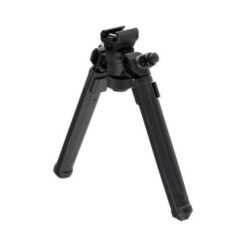
Bipods are useful for prone, bench, hunting, and longer-range shooting. They provide a stable support platform and can reduce fatigue during extended shooting sessions.
The primary tradeoff is added weight, especially when the bipod is installed near the muzzle. A heavy bipod mounted at the end of a long handguard can make the rifle feel noticeably front-heavy. Lightweight models reduce this effect but may provide less stability or fewer adjustment options.
Precision-oriented AR-15 Accessories may also include rear bags, monopods, bubble levels, rangefinders, throw levers, or data holders. These products make sense when they support the rifle’s intended role. They are less useful on a lightweight carbine built primarily for close-range handling.
Consider whether the bipod will remain on the rifle permanently or only be installed when needed. A quick-detach mount can make it easier to remove the bipod for offhand shooting or transportation.
Controls and Small Ergonomic Upgrades
Ambidextrous safety selectors, charging handles, magazine releases, bolt catches, and enlarged controls can improve access and ease of operation. These parts may be especially helpful for left-handed shooters, competition users, or shooters wearing gloves.
Not every enhanced control is necessary. Oversized components can snag on clothing or gear, and some proprietary parts may not work with every receiver, trigger, or bolt carrier group.
These AR-15 Accessories should be chosen based on fit and function rather than appearance. Confirm compatibility with the existing lower receiver, upper receiver, trigger, and operating components before installation.
Make one change at a time whenever possible. Testing the rifle after each upgrade makes it easier to identify compatibility or reliability problems.
Choosing AR-15 Pistol Accessories
Compact configurations require additional attention to space and balance. AR-15 pistol accessories often need to fit shorter handguards with limited mounting surfaces.
A compact light, hand stop, small optic, and low-profile sling mount may be more appropriate than full-size equipment. Large accessories can crowd the support hand, block controls, or place excessive weight toward the front of the firearm.
Barrel and handguard length also affect heat, blast, and mounting position. Keep hands and mounted products safely behind the muzzle, and verify that accessories do not interfere with the gas system, muzzle device, or moving components.
The shorter configuration does not mean every accessory must be smaller, but each addition should be evaluated carefully. Space that appears available on an unloaded firearm may become difficult to use once the support hand, sling, and light controls are in position.
Avoid Making the Rifle Too Heavy
One of the most common setup mistakes is adding too many products at once. Optics, magnifiers, lights, lasers, bipods, metal grips, and heavy mounts can make a rifle difficult to carry and handle.
The weight of individual AR-15 Accessories may seem minor, but several components can quickly add pounds. The location of that weight matters as much as the total. Equipment mounted near the muzzle has a greater effect on handling than the same amount of weight placed near the receiver.
Compare product weights before buying. Use lightweight mounts where appropriate, avoid accessories that duplicate the same function, and remove equipment that is not regularly used.
A simpler rifle is often faster, more comfortable, and easier to maintain. The best setup is not necessarily the one with the fewest products, but every installed component should provide enough value to justify its weight.

Consider Accessory Placement and Rifle Balance
Where an accessory is mounted can be just as important as which product is selected. A light installed too far forward may make the rifle feel heavy, while one mounted too far rearward may be blocked by the support hand or front sight.
Place frequently used controls where they can be reached naturally. The shooter should not need to loosen the support-hand grip significantly to activate a light, adjust an optic, or operate another control.
AR-15 Accessories mounted on the handguard should not block ventilation unnecessarily or interfere with barrel cooling. They should also remain clear of the gas block and other components that become hot during extended firing.
After installing an accessory, handle the rifle from standing, kneeling, prone, and supported positions. A placement that feels comfortable from a bench may not work well in other shooting positions.
Buy Accessories Individually or Choose a Bundle?
Bundles can provide good value when all included components are compatible and useful. A package containing an optic, mount, sling, and case may cost less than purchasing each product separately.
However, bundles can also include lower-priority products or parts that do not fit the rifle. Buying AR-15 Accessories individually provides more control over quality, weight, mounting style, and brand.
Compare the exact contents. A bundle is only useful when its components fit the rifle and would otherwise be purchased separately.
Do not assume that every item in a bundle is ready to install. An optic package may still need a riser, while a sling package may require mounting sockets or swivels that are not included.
Which Accessories Can Move Between Rifles?
Many rail-mounted parts can be transferred between compatible rifles. Optics, backup sights, lights, slings, bipods, hand stops, and some grips may move easily between different setups.
The mounting systems must match. M-LOK products require compatible M-LOK slots unless an adapter is used, while Picatinny-mounted components need an appropriate rail. KeyMod accessories require a KeyMod interface or a suitable adapter.
Transferable AR-15 Accessories can provide better long-term value because a single product can serve multiple rifles. However, optics must usually be re-zeroed after being moved, and sling or light placement may need to be adjusted for each setup.
Keep the necessary mounting hardware together when moving products. Small screws, T-nuts, spacers, and adapters are easy to misplace and may not be interchangeable between brands.
Separate Mounts, Adapters, and Rail Sections
Many products require additional mounting hardware. An optic may require a separate mount or riser. A sling may need a quick-detach swivel and rail socket. A bipod may need an M-LOK adapter, Picatinny section, or specialized stud.
Lights and lasers frequently require offset mounts, pressure-switch mounts, cable guides, or replacement tailcaps. Some foregrips and hand stops are sold in different versions for M-LOK, KeyMod, and Picatinny systems.
Before ordering AR-15 Accessories, compare the listed mounting interface with the rifle’s handguard and receiver. A product described as rail-mounted may not include the rail section needed for installation.
Including the cost of mounting hardware in the overall budget provides a more accurate picture of the final setup cost.

Installation Difficulty and Tool Requirements
Some upgrades are easy to install with basic hand tools. Rail covers, backup sights, slings, hand stops, foregrips, and many lights can be attached without specialized equipment when the correct hardware is included.
Other AR 15 parts and accessories require additional knowledge and tools. Free-float handguards, muzzle devices, gas blocks, barrels, and certain internal controls may require torque wrenches, vise blocks, punches, armorer tools, or thread-locking products.
Review installation instructions before ordering. Confirm the required torque values, tools, and procedures. Improper installation can damage the product, affect reliability, or cause the accessory to loosen during use.
When proper installation cannot be completed confidently, consider having the work performed by a qualified gunsmith.
Test the Rifle Before Completing the Setup
It is generally best to test a new rifle before installing every planned accessory. Begin with a dependable sighting system, confirm safe operation, and zero the rifle. Then evaluate comfort, balance, control placement, and actual needs.
Buying too many AR-15 Accessories before the first range session makes it harder to identify which component is causing the problem. A gradual approach allows each change to be tested individually.
Range time may reveal that the grip feels uncomfortable, the sling mount is in the wrong position, the optic sits too low, or the rifle is already heavier than expected. These observations should guide future purchases.
Record any issues you notice before making changes. Solving one specific problem at a time usually produces a better setup than replacing several parts without a clear goal.
Set a Realistic Accessory Budget
A practical accessory setup does not need to cost more than the rifle. Beginners should prioritize dependable equipment rather than buying the highest-priced option in every category.
The optic is often the largest expense, followed by a weapon light, sling, case, and mounting hardware. Grips, rail covers, and hand stops are usually less expensive, but their costs can add up when several are purchased together.
Set aside part of the budget for ammunition and range time. AR-15 Accessories cannot replace practice, proper zeroing, or familiarity with the rifle.
A carefully selected midrange optic and sling may provide more practical value than several cosmetic products that do not improve performance.
Shop AR-15 Accessories at Black Rifle Depot
The best AR-15 accessories website should make it easy to compare fitment, product weight, mounting systems, included hardware, and intended use. Black Rifle Depot carries AR-15 accessories for sale for general-purpose rifles, range builds, defensive setups, hunting configurations, and compact platforms.
Shop AR-15 Accessories at Black Rifle Depot to find optics, sights, slings, grips, lights, mounts, cases, support equipment, ZRO Delta AR 15 accessories, Bushmaster AR 15 accessories, and other practical upgrades.
Build your rifle setup in stages, test each addition, and choose equipment that improves function without adding unnecessary weight or complexity. The best upgrades are not always the most expensive or unusual products. They are the ones that make the rifle easier, safer, and more comfortable to use.
Frequently Asked Questions About AR-15 Accessories
The following answers address common questions about budgeting, compatibility, mounting, installation, and the best order in which to upgrade a rifle.
What is the smartest order to buy AR-15 accessories for a general-purpose rifle?
Start with a reliable sighting system, sling, and protective case. Then consider grip improvements, a weapon light, backup sights, and equipment related to the rifle’s specific role. This order prioritizes aiming, control, safe transportation, and practical use before cosmetic or specialized products. Test the rifle between major purchases so each new component addresses an identified need.
How much should a beginner budget for a practical AR-15 accessory setup?
A basic setup may cost a few hundred dollars, while premium optics, mounts, and weapon lights can increase the total significantly. The appropriate budget depends on the intended use and the equipment already installed. Budget for essential AR-15 Accessories first. Remember to include mounts, batteries, sling hardware, tools, ammunition, and range time when calculating the total cost.
Should you buy AR-15 accessories individually or as a complete bundle?
Choose a bundle when every included component is compatible, useful, and priced lower than purchasing the items separately. Bundles can simplify a new setup, but they may also include products that would not otherwise be selected. Individual purchases provide greater control over weight, quality, brand, mounting style, and features. Compare the exact contents rather than judging the package solely by its total number of items.
Which AR-15 accessories can be transferred between different rifles?
Slings, optics, backup sights, lights, bipods, rail covers, hand stops, and some grips can often be transferred between rifles with compatible mounting systems. Optics generally need to be re-zeroed after being moved. Pressure-switch placement, sling adjustment, and accessory positioning may also need to be changed for the new rifle.
How do you prevent accessories from making an AR-15 too heavy or front-heavy?
Compare product weights before buying and pay attention to where each component will be installed. Minimize heavy products near the muzzle, and avoid mounting multiple accessories that serve similar functions. Evaluate all installed AR-15 Accessories regularly. Remove components that are rarely used, or that negatively affect balance, comfort, or handling.
Which AR-15 accessories require separate mounts, adapters, or rail sections?
Optics, lights, lasers, bipods, sling attachments, pressure switches, and some foregrips may require separate hardware. The exact requirements depend on whether the rifle uses M-LOK, KeyMod, Picatinny, quick-detach sockets, or another interface. Review the product description and the included components list before purchasing. Do not assume that a mount, riser, adapter, or rail section is included.
Does barrel or handguard length affect where AR-15 accessories can be mounted?
Yes. Short handguards provide less mounting space and may place the support hand closer to lights, switches, sling mounts, and other equipment. Longer handguards provide more flexibility but may add weight. Handguard length can also affect rifle balance and the distance between the front and rear sights. Accessories must remain safely behind the muzzle and clear of hot or moving components.
Which AR-15 accessories are easiest to install without specialized tools?
Rail covers, slings, many backup sights, hand stops, foregrips, and rail-mounted lights are generally straightforward when the correct mounting hardware is included. Even simple installations should follow the manufacturer’s instructions. Use the correct tools and torque values so screws are not stripped, overtightened, or left loose.
Should you buy AR-15 accessories before or after testing and zeroing a new rifle?
Begin with the sighting system and essential equipment, then test and zero the rifle before adding more. This helps identify actual needs and prevents unnecessary purchases. Installing AR-15 Accessories gradually also makes it easier to diagnose changes in balance, accuracy, comfort, or reliability.
What AR-15 accessories should left-handed shooters prioritize first?
Left-handed shooters may benefit from ambidextrous safety selectors, charging handles, magazine releases, and bolt controls. Accessible sling placement and reversible light mounts can also improve operation. Confirm that each ambidextrous component is compatible with the rifle. Some controls may interfere with certain triggers, grips, receivers, or hand positions.
For additional support, check out our X Page.
