
AR-15 Handguards
AR-15 Handguards: What to Know Before Buying Online
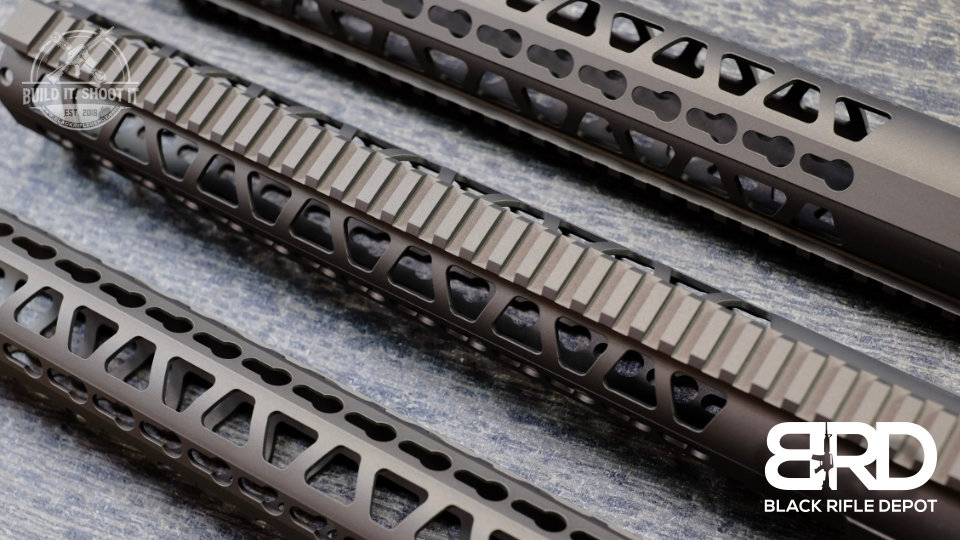
Jul
Table of Contents
Shopping for AR-15 Handguards online requires more than choosing the best-looking rail. The handguard affects rifle weight, balance, heat protection, accessory placement, and overall handling. It must also fit the upper receiver, barrel nut, gas block, and gas system correctly. A poor fit can create alignment issues, limit accessory space, or require additional parts and tools to complete the installation.
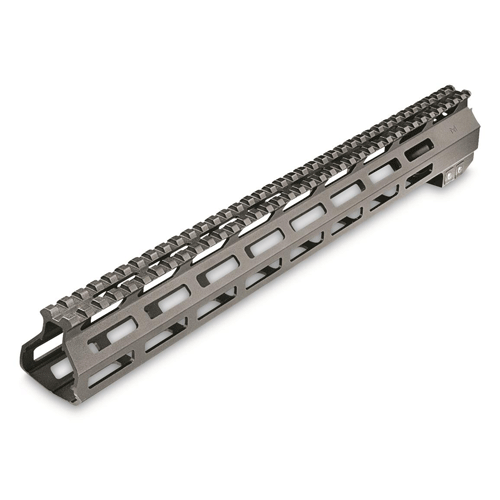
Before ordering, compare the mounting style, length, material, internal diameter, included hardware, and installation requirements. The best option will depend on whether you are upgrading an existing rifle or assembling a new upper receiver. You should also consider your preferred grip position, planned accessories, shooting style, and overall weight goals. Checking these details in advance can help you choose a handguard that fits properly and performs as expected.
Choose Between Drop-In and Free-Float Handguards
The first decision is whether you need a drop-in or free-float design.
An AR-15 drop-in handguard installs around the existing barrel nut and is normally secured by the delta-ring assembly and front handguard cap. Drop-in models are affordable, easy to install, and practical for basic upgrades. A Magpul AR-15 handguard is a popular example for shooters who want improved ergonomics without replacing the barrel nut.
An ar15 free float handguard mounts directly to a dedicated barrel nut without touching the barrel. This reduces external pressure on the barrel and may improve consistency in accuracy. Free-float AR-15 Handguards also provide more mounting space and a modern appearance.
Switching from a drop-in system to a free-float rail may require removing the muzzle device, front sight base, gas block, delta-ring assembly, and original barrel nut.
Select the Correct Handguard Length
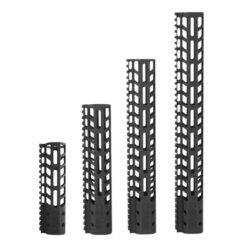
Handguard length affects gripping space, accessory placement, rifle weight, and muzzle clearance. For a 16-inch barrel, handguards between 13 and 15 inches are common.
A longer rail provides more room for a light, sling mount, bipod, hand stop, or other ar15 handguard accessories. It can also support an extended grip. Shorter AR-15 Handguards reduce weight and may make the rifle easier to maneuver.
Handguard length and gas-system length are not the same. Gas-system length describes the distance from the receiver to the gas port. Handguard length refers to the rail itself. Make sure the handguard covers the gas system without interfering with the muzzle device.
Confirm Barrel Nut Compatibility
Not every handguard uses the same barrel nut. Many free-float models include a proprietary nut, mounting screws, and anti-rotation hardware. Others require certain components or tools to be purchased separately.
Before ordering AR-15 Handguards, confirm whether the package includes:
- Barrel nut
- Mounting hardware
- Anti-rotation tabs
- Wrench adapter
- Installation instructions
When combining an ar15 upper receiver and handguard from different manufacturers, check the shape of the upper receiver. Some billet uppers are too wide for certain anti-rotation tabs.


Check Gas-Block Clearance
The handguard must have enough internal space to clear the gas block. Most slim rails are designed for low-profile gas blocks, but they may not fit over a traditional A2 front sight base.
Internal diameter is especially important when comparing AR-15 Handguards for adjustable gas blocks, piston systems, or suppressor-oriented builds. A narrow rail may look streamlined, but it leaves too little clearance around larger components.
Measure the current gas block and review the manufacturer’s dimensions before buying. This can prevent installation problems and unnecessary returns.
Compare Materials and Mounting Systems
Aluminum is the most common material because it offers a useful balance of strength, heat resistance, weight, and affordability. A lightweight ar15 handguard typically uses additional machining to remove material while reinforcing important mounting areas.
An AR-15 carbon fiber handguard can reduce front-end weight while remaining comfortable during temperature changes. However, carbon-fiber models usually cost more and may provide fewer mounting positions.
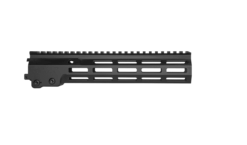
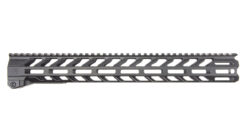
M-LOK AR-15 Handguards are popular because they allow accessories to be installed only where needed. This keeps the rail slim and reduces unnecessary weight.
A quad-rail AR-15 setup has Picatinny rails on all four sides. Quad rails provide extensive mounting space and excellent durability, but they are generally heavier and wider.
An AR-15 tube handguard, or tubular handguard AR-15 design, has a smooth, rounded profile. An AR-15 ARCA handguard includes an ARCA-style lower surface for mounting tripods and precision-shooting equipment.
AR-15 Handguard Comparison Chart
| Handguard Type | Weight | Accessory Space | Installation | Best For | Main Drawback |
|---|---|---|---|---|---|
| M-LOK Free-Float | Light to moderate | High and customizable | Requires barrel nut installation | General-purpose builds, competition, and modern upgrades | Installation may require special tools |
| Drop-In Handguard | Light to moderate | Limited to moderate | Usually simple | Budget upgrades and rifles with delta-ring assemblies | Does not free-float the barrel |
| Quad Rail | Moderate to heavy | Very high | Varies by model | Duty rifles and accessory-heavy setups | Added weight and wider grip |
| Carbon-Fiber Handguard | Very light | Limited to moderate | Requires barrel nut installation | Lightweight and competition builds | Higher price and fewer mounting positions |
| Tubular Handguard | Light | Limited | Requires barrel nut installation | Simple, lightweight builds | Fewer accessory mounting options |
| ARCA Handguard | Moderate to heavy | High for tripods and precision gear | Requires barrel nut installation | Precision shooting and supported positions | Heavier and less practical for basic carbines |
| Magpul Drop-In | Light | Moderate with M-LOK slots | Simple | Affordable upgrades and recreational rifles | Limited compatibility with free-float builds |
Consider Weight, Width, and Balance
Slim AR-15 Handguards are easier for many shooters to grip and can reduce the rifle’s overall width. Standard-width models may provide more internal clearance and better heat protection.
The lightest rail is not always the best ar15 handguard. A hard-use rifle carrying a laser, bipod, or other alignment-sensitive accessory may benefit from a stronger mounting system.
Think about the rifle as a complete setup. Removing several ounces from the front can improve handling, but adding a light grip, bipod, and multiple rail sections can quickly restore that weight.
An ar15 handguard cover can improve grip texture and protect the support hand from hot aluminum. It can also cover unused mounting slots.
Understand Installation Requirements
Removing an AR-15 handguard can be simple or complicated. A basic drop-in handguard can often be removed by pulling back the delta ring. Installing a free-float model usually requires removing and replacing the barrel nut.
Common installation tools include:
- Armorer’s wrench
- Torque wrench
- Upper-receiver vise block or reaction rod
- Bench vise
- Hex or Torx bits
- Muzzle-device wrench
Always follow the handguard manufacturer’s torque specifications. Incorrect installation can cause movement, poor alignment, or damage to the upper receiver.
Conclusion
The right AR-15 Handguards should match the rifle’s upper receiver, barrel, gas block, gas system, accessories, and intended purpose. Compare length, internal clearance, mounting style, material, weight, and included hardware before ordering. Taking the time to confirm compatibility can help prevent installation problems, unnecessary returns, and added costs. It can also ensure the finished rifle feels balanced, comfortable, and ready for its intended use.
Shop AR-15 Handguards, rails, barrel nuts, installation tools, and accessories at Black Rifle Depot. Whether you are upgrading an existing rifle or starting a new build, Black Rifle Depot offers options for different budgets, configurations, and shooting needs. Browse dependable components from trusted manufacturers and find the right setup for your next range, hunting, competition, or general-purpose rifle project.



Frequently Asked Questions About AR-15 Handguards
The following answers address common fitment, compatibility, and installation questions shoppers face when comparing AR-15 Handguards online for different builds, budgets, shooting styles, and accessory needs.
What should I check before buying an AR-15 handguard online?
Check the handguard length, barrel nut, mounting system, internal diameter, upper receiver compatibility, gas block clearance, weight, and included hardware.
What AR-15 handguard length should I choose for a 16-inch barrel?
A 13- to 15-inch handguard is common for a 16-inch barrel. The best length depends on desired weight, hand position, accessory space, and muzzle clearance.
Do AR-15 handguards come with the barrel nut included?
Many free-float models include a proprietary barrel nut, but some do not. Always review the product description before ordering.
Will a new AR-15 handguard fit over my current gas block?
It will fit only if the rail’s internal diameter is larger than the gas block’s. Slim models often require a low-profile gas block.
Can I upgrade from a drop-in handguard to a free-float handguard?
Yes. The conversion may require removing the delta ring, the original barrel nut, the front sight base, the gas block, and the muzzle device.
What is the difference between handguard length and gas-system length?
Handguard length describes the physical rail. Gas-system length describes the distance between the upper receiver and the barrel’s gas port.
Are slim AR-15 handguards better than standard-width handguards?
Slim rails are easier to grip and reduce bulk. Wider rails may offer more clearance, heat protection, and room around the gas system.
Do I need special tools to install an AR-15 handguard?
Most free-float installations require a vise, receiver-support tool, armorer’s wrench, torque wrench, and the correct mounting bits.
How do I know if an AR-15 handguard will fit my upper receiver?
Review the manufacturer’s compatibility information and check whether the handguard’s anti-rotation tabs fit around the upper receiver.
Can an AR-15 handguard affect rifle weight, balance, and handling?
Yes. Lightweight AR-15 Handguards can reduce front-end weight and improve maneuverability. Longer or heavier rails may shift the rifle’s balance forward.
For additional support, check out our X Page.
