
AR-15 accessories
Frequently Asked Questions About AR-15 Accessories
Jul
Table of Contents
Choosing the right AR-15 Accessories can improve the way your rifle handles, performs, and fits its intended purpose. However, with so many optics, slings, grips, lights, muzzle devices, stocks, and rail-mounted upgrades available, finding compatible products can feel overwhelming.
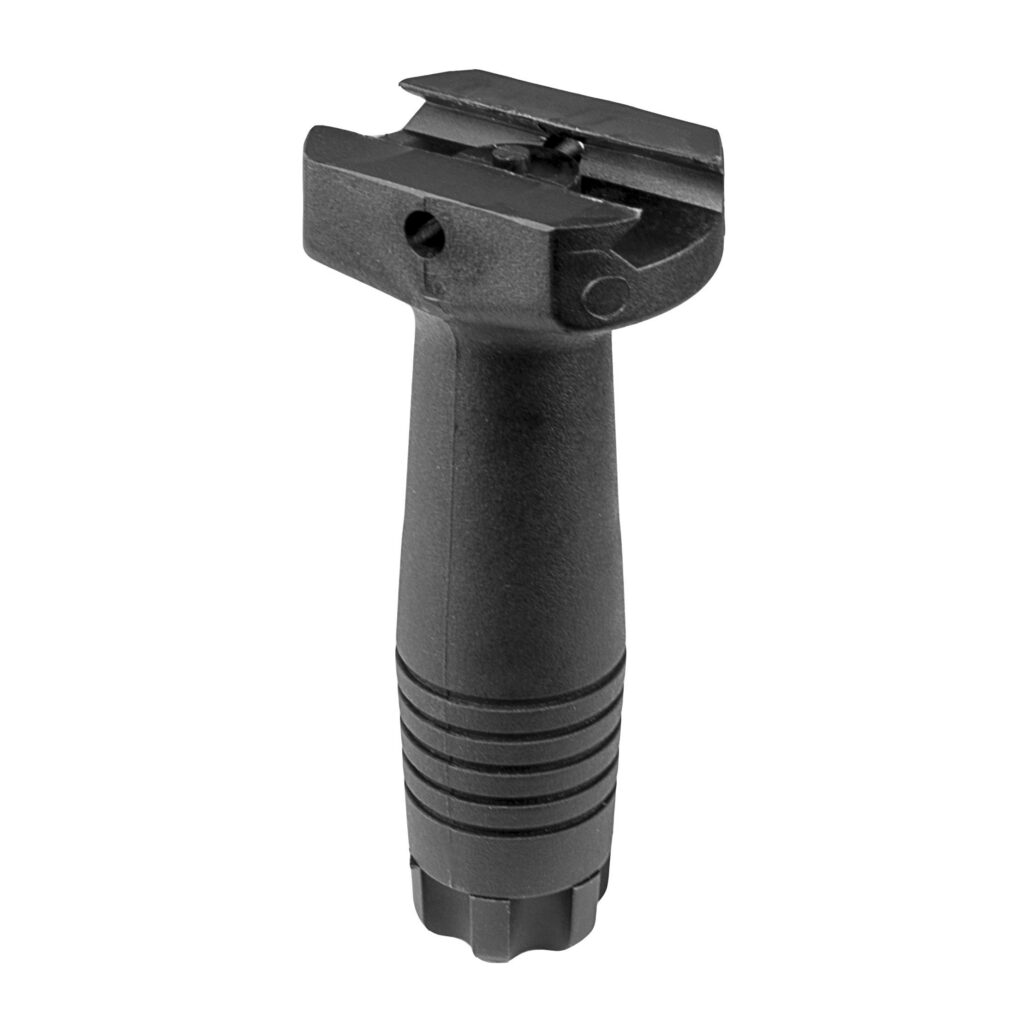
Before ordering accessories for an AR-15, consider how you plan to use the rifle, which mounting system it has, and whether the accessory fits your specific barrel, receiver, or handguard. Price and appearance matter, but reliability, compatibility, weight, and installation requirements are often more important.
The following frequently asked questions cover common concerns shoppers have when comparing AR-15 parts and accessories for range use, home defense, competition, and general-purpose builds.
Frequently Asked Questions About AR-15 Accessories
The following FAQs answer common questions about AR-15 Accessories, including compatibility, cost, mounting systems, slings, warranties, and legal considerations.
What are the best AR-15 accessories for the money?
The best AR-15 accessories for the money are products that improve reliability, control, visibility, or comfort without adding unnecessary weight.
A quality sling, dependable sights, durable magazines, a comfortable grip, and secure mounting hardware are practical starting points. Home-defense rifles may also benefit from a weapon-mounted light.
Premium optics, mounts, adjustable slings, and upgraded controls may provide better materials and features, but budget options from reputable manufacturers can still perform well. Practical equipment usually provides more value than unusual or decorative accessories.
What AR-15 accessories should a new owner buy first?
A new owner should start with practical AR-15 Accessories that improve safety, control, and usability. Good first purchases include dependable sights or an optic, a two-point sling, quality magazines, a comfortable grip, and a basic cleaning kit.
A weapon-mounted light may also be useful for a home-defense rifle. Avoid buying too many upgrades at once. Spend time shooting the rifle first to identify which accessories will provide the most noticeable improvement.
How much does it cost to fully accessorize an AR-15?
The total cost depends on the rifle’s purpose and the quality of the products selected. A basic range setup with sights, a sling, magazines, and a grip may cost between $150 and $400.
A home-defense setup with a dependable red dot sight, weapon light, sling, and backup sights may cost between $400 and $1,000. Competition shooters can spend $800 to $2,000 or more on premium optics, triggers, mounts, controls, and lightweight components.
These prices are general estimates. Building the rifle gradually allows you to prioritize important upgrades and avoid buying equipment you may not need.
Which sling is best for an AR-15?
A two-point sling is generally the best choice for most AR-15 owners. It secures the rifle against the body, supports different carrying positions, and can provide additional shooting stability.
Single-point slings offer excellent mobility but allow the rifle to swing when released. Three-point slings provide retention but use additional webbing that may interfere with the rifle’s controls.
For range use, training, home defense, and general carrying, an adjustable two-point sling offers the best combination of simplicity and versatility.
Are cheap or off-brand AR-15 accessories reliable?
Some inexpensive accessories work well, but quality can vary considerably. Cheap grips, rail covers, or cosmetic components may present less risk than unproven optics, mounts, lights, or muzzle devices.
Products that affect aiming, secure attachment, or safe operation should come from reputable manufacturers with clear specifications and warranty support. Weak mounting hardware, unreliable electronics, or poorly machined parts may fail during use.
Paying more does not always guarantee better performance, but extremely low prices can indicate lower-quality materials or limited testing.
What muzzle device fits my AR-15 barrel?
Many .223 Remington and 5.56 NATO AR-15 barrels use a 1/2×28 muzzle thread. Many .300 Blackout and larger-caliber barrels commonly use 5/8×24 threads. However, thread patterns can vary by caliber and manufacturer.
Always confirm the barrel’s caliber, thread pitch, shoulder dimensions, and muzzle device bore before ordering. The device must have the correct thread pattern and enough internal clearance for the projectile.
Do not assume that every muzzle brake, flash hider, or compensator marketed for an AR-15 will fit every AR-15 barrel.
Which AR-15 accessories are illegal or restricted?
Accessory restrictions vary by state and may depend on the firearm’s complete configuration. Features such as adjustable stocks, flash suppressors, pistol grips, forward grips, threaded barrels, and magazine capacity may be restricted in states including California and New York.
An accessory that is legal to own separately may create a prohibited firearm configuration once installed. Regulations and court decisions can also change over time.
Review current state and local laws before modifying your rifle. Consult a qualified firearms attorney when you are uncertain about whether a particular setup is legal.
Are AR-15 accessory bundles cheaper than buying items separately?
Accessory kits can offer savings when they include several compatible products that you already intend to purchase. Bundles may also make it easier to match colors, mounting systems, or components from the same manufacturer.
However, a bundle is not a good value when it contains accessories you will not use. Some kits also prioritize quantity over product quality.
Compare the bundle price with the individual cost of each included item. Make sure every component fits your rifle before ordering.
Should I buy M-LOK, KeyMod, or Picatinny accessories?
Your accessories must match the mounting system on your handguard. M-LOK accessories attach to M-LOK slots, while KeyMod accessories require KeyMod mounting points. Picatinny accessories attach directly to Picatinny rails.
Many modern handguards use M-LOK slots with a Picatinny rail across the top. Small Picatinny rail sections can also be installed on compatible M-LOK or KeyMod handguards.
Check the product description carefully to confirm whether an accessory mounts directly to your handguard or requires an additional adapter or rail section.
Can aftermarket accessories void my rifle’s warranty?
Installing a removable accessory does not necessarily void the entire rifle warranty. However, damage caused by incorrect installation, modification, or an incompatible product may not be covered.
Drilling, grinding, refinishing, or permanently altering factory components can also affect warranty coverage and resale value. Keep the original parts so the rifle can be returned to its factory configuration when necessary.
Review the firearm and accessory manufacturers’ warranty terms before completing major modifications.
What should I do if an AR-15 accessory does not fit?
Stop the installation if the accessory does not fit correctly. Do not force the product, file the mounting surfaces, drill new holes, or make permanent alterations before reviewing the return requirements.
Confirm the rifle’s rail system, thread pitch, receiver type, tube diameter, caliber, and other relevant measurements. Contact the retailer if the product description is unclear or if you believe you received the wrong item.
Keep the original packaging, instructions, mounting hardware, and receipt until installation is complete.
How do I know whether an accessory will fit my AR-15?
Check the product specifications and compare them with your rifle’s mounting system, caliber, barrel thread pitch, receiver type, and buffer tube size. Rail-mounted products must match M-LOK, KeyMod, or Picatinny attachment points.
Stocks may require either a mil-spec or commercial buffer tube, while muzzle devices must match the barrel’s thread pattern and caliber. When compatibility is unclear, review the manufacturer’s fitment information or contact the retailer before ordering.
Can I install AR-15 accessories myself?
Many AR-15 Accessories, including grips, rail covers, slings, hand stops, and some optics, can be installed with basic tools and careful attention to the manufacturer’s instructions. More involved upgrades may require specialized tools, correct torque settings, or professional installation.
Stop if a part does not fit properly or requires excessive force. Improper installation can damage the accessory, compromise reliability, or pose a safety risk. When the process involves the barrel, gas system, trigger, or muzzle device, consider using a qualified gunsmith.
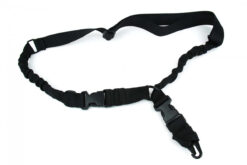

Shop AR-15 Accessories at Black Rifle Depot
The right AR-15 Accessories should improve your rifle without creating unnecessary weight, complexity, or compatibility problems. Start with practical upgrades that match your intended use, including sights, slings, grips, lights, stocks, muzzle devices, and secure mounting hardware.
Always check product specifications before ordering and confirm that each accessory fits your rifle, barrel, handguard, or receiver. Taking the time to verify compatibility can prevent installation problems and help you build a more dependable setup.
Shop AR-15 Accessories for sale at Black Rifle Depot to find quality parts, gear, tools, and upgrades for your next AR-15 build.
For additional resources, check out our X Page.
