
AR-15 Parts
AR-15 Parts Names and Functions: What Each Component Is Called Before You Buy
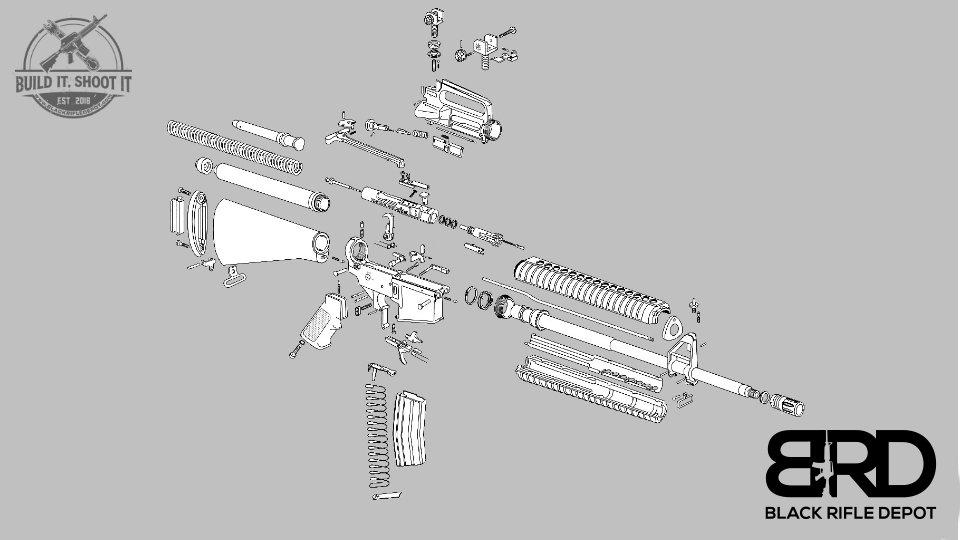
Jul
Table of Contents
Understanding AR-15 parts names makes it easier to shop for replacements, compare upgrades, and avoid ordering components that do not fit your build. Although an AR-15 contains many individual pieces, most belong to one of two main assemblies: the upper receiver group or the lower receiver group.
Learning where each component belongs and what it does is especially helpful when shopping for an AR15 lower parts kit, upper components, trigger parts, or spare hardware. Use this guide as a practical introduction before browsing AR-15 Parts and AR-15 Parts Kits for Sale.
AR-15 Upper Receiver Parts
The upper receiver group contains the components responsible for chambering, firing, extracting, and directing the projectile. It also provides mounting space for sights, optics, handguards, and other accessories.
Upper Receiver
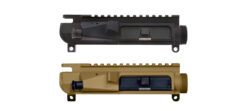
The upper receiver is the main housing for the bolt carrier group and charging handle. It connects to the lower receiver using the pivot and takedown pins. Depending on the configuration, it may include a forward assist and an ejection-port cover.
Barrel and Barrel Extension
The barrel guides the projectile and determines important characteristics such as caliber, barrel length, gas-system length, and muzzle-device compatibility. The barrel extension contains the locking lugs that engage with the bolt.
Before purchasing a barrel, check its chambering, twist rate, gas block journal diameter, gas system length, muzzle thread pattern, and compatibility with your receiver.
Bolt Carrier Group
The bolt carrier group, commonly called the BCG, handles feeding, chambering, locking, firing, extraction, and ejection. Its primary parts include:
- Bolt
- Bolt carrier
- Gas key
- Cam pin
- Firing pin
- Firing-pin retaining pin
- Extractor
- Ejector
- Gas rings
The gas key sits atop the carrier and receives gas from the gas tube. That pressure moves the carrier rearward during cycling.
Charging Handle
The charging handle allows the shooter to manually move the bolt carrier group. Pulling it rearward can chamber a round, clear the action, or inspect the chamber. It initiates the action manually, while the BCG performs the mechanical cycling.
Gas Block and Gas Tube
The gas block fits over the barrel’s gas port and directs gas into the gas tube. The gas tube carries that pressure back to the BCG’s gas key. These pieces must match the barrel’s gas-system length and gas-block journal size.
Handguard and Muzzle Device
The handguard surrounds the barrel and provides a protected gripping surface. Many modern handguards also include M-LOK or Picatinny mounting points.
The muzzle device threads onto the end of the barrel. Common options include flash hiders, muzzle brakes, compensators, thread protectors, and suppressor-compatible mounts.


AR-15 Lower Receiver Parts
The lower receiver group contains the fire-control components, magazine controls, safety selector, grip, stock or brace assembly, and numerous small pins and springs.
Lower Receiver
Under federal law, the serialized lower receiver is generally the component legally classified as the firearm. Most other AR-15 gun parts can ordinarily be purchased separately, although federal, state, and local restrictions may apply.
Lower Parts Kit
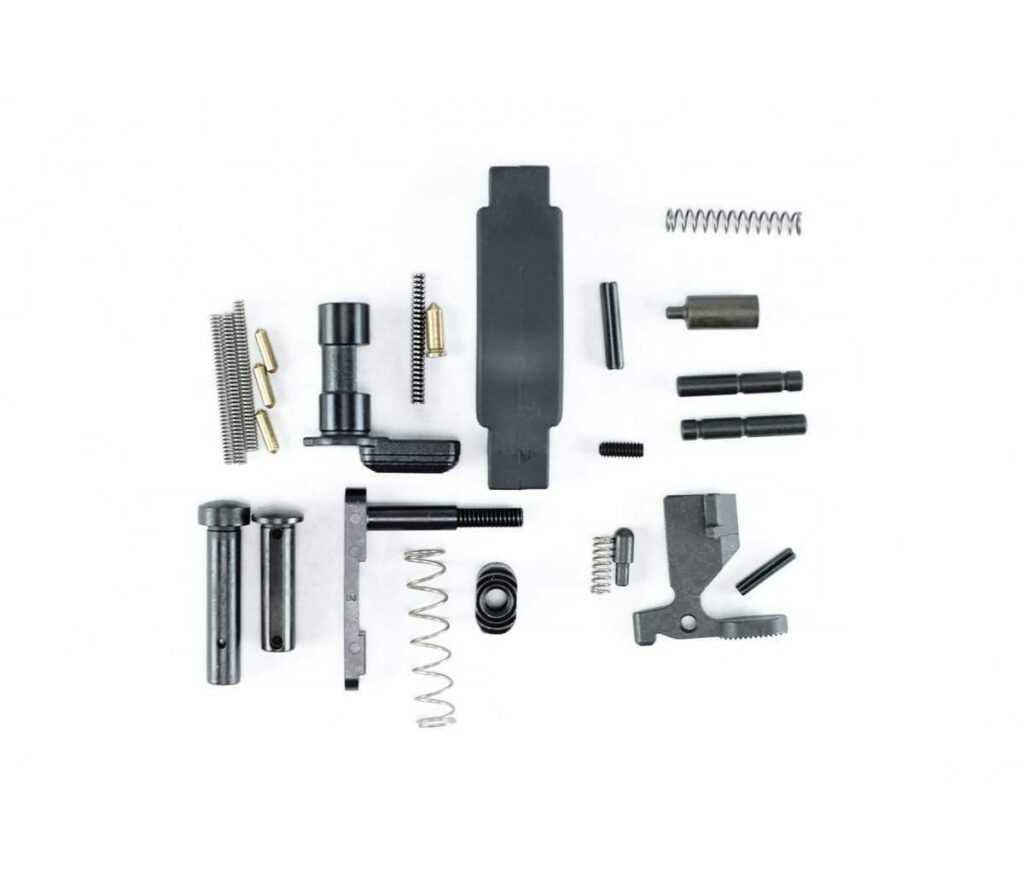
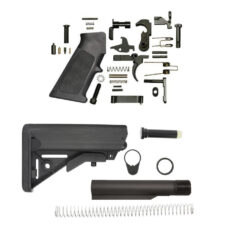
An AR15 lower parts kit typically contains the small components needed to complete a stripped lower receiver. Contents vary, so check whether the kit includes a trigger, pistol grip, and trigger guard.
Common AR15 lower parts include:
- Trigger and hammer
- Disconnector
- Safety selector
- Bolt catch
- Magazine catch and release button
- Pivot and takedown pins
- Springs and detents
- Trigger and hammer pins
- Buffer retainer
- Pistol grip hardware
Some of the best AR15 lower parts kit options include every component required for a basic lower. Other kits omit the fire-control group, allowing the buyer to install a separate trigger.
Trigger Parts
Standard AR15 trigger parts include the trigger, hammer, disconnector, springs, and retaining pins. Together, these pieces form the fire-control group. Drop-in triggers package many of these components into a self-contained cassette for simpler installation.
Buffer System
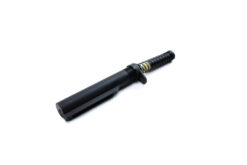
The buffer system includes the receiver extension, buffer spring, buffer, end plate, and castle nut. It helps control the rearward movement of the BCG and returns it forward to chamber the next round.
Buffer components must match the intended platform. Rifle-length and carbine-length systems use different tubes, springs, and buffers.
What Counts as AR-15 Furniture?
“Furniture” is a general term for the external parts that create the rifle’s primary contact points. AR-15 furniture usually includes the stock, pistol grip, and handguard.
Replacing furniture can change ergonomics, weight, appearance, and compatibility with accessories. Shoppers can choose traditional black components or custom AR15 parts in FDE, OD green, gray, red, blue, and other finishes. Anodized AR15 parts and colored AR15 parts can add visual contrast, but compatibility and material quality should remain the priority.
For a more detailed visual reference, review the AR-15 Parts Diagram and AR-15 Parts List or explore the guide to AR-15 Upper and Lower Parts.
Choosing Replacement, Upgrade, and Spare Parts
First-time buyers should become familiar with the upper receiver, lower receiver, BCG, charging handle, barrel, gas system, handguard, trigger, safety selector, buffer system, and magazine controls.
When shopping for cheap AR15 parts, discount AR15 parts, or AR15 parts clearance deals, verify the manufacturer, material, finish, dimensions, and platform compatibility. A low price offers little value if the component does not fit or function correctly.
It is also useful to keep a spare parts kit for an AR15. Small springs, detents, firing-pin retaining pins, extractors, and gas rings are inexpensive, easy to misplace, and helpful to have available. Titanium AR15 parts and other lightweight components may reduce weight, but they should be selected as part of a balanced system rather than purchased only for appearance.

Find AR-15 Parts for Your Next Project
Learning AR-15 parts names removes much of the uncertainty from repairing, upgrading, or planning a build. Once you know where a component belongs and what it does, comparing AR15 upper parts, lower components, custom accessories, and replacement hardware becomes much easier.
Shop AR-15 parts for sale at Black Rifle Depot to find lower parts kits, upper components, trigger parts, furniture, spare hardware, and AR-15 parts and accessories for your next project.
Frequently Asked Questions About AR-15 Parts Names
Knowing the correct terminology can make product searches faster and help you compare compatible parts. These answers cover some of the most common naming questions.
What are the main AR-15 parts called on a parts diagram?
The main groups include the upper receiver, lower receiver, barrel, handguard, BCG, charging handle, gas system, trigger group, buffer system, grip, and stock.
How can you tell whether a part belongs to the upper or lower receiver group?
Parts involved with the barrel, gas system, BCG, and handguard generally belong to the upper. Trigger, magazine-control, safety, grip, and buffer components belong to the lower.
Which AR-15 part is considered the firearm when buying parts online?
The serialized lower receiver is generally a federally regulated firearm. Applicable laws and purchasing requirements should always be verified before ordering.
What parts are included in an AR-15 bolt carrier group?
A typical BCG includes the bolt, carrier, gas key, firing pin, cam pin, retaining pin, extractor, ejector, and gas rings.
What does the charging handle do compared to the bolt carrier group?
The charging handle manually pulls the BCG rearward. The BCG performs the feeding, locking, firing, extraction, and ejection cycle.
What is the difference between a gas block, a gas tube, and a gas key?
The gas block collects gas from the barrel, the gas tube carries it rearward, and the gas key receives it at the bolt carrier.
What are the small lower parts, like pins, springs, and detents, called?
They are commonly sold as a lower parts kit, a pin-and-spring kit, a replacement parts kit, or a lower receiver spare parts kit.
What barrel parts should you know before selecting a muzzle device or gas system?
Check the barrel’s muzzle thread pattern, gas-system length, gas-block journal diameter, caliber, and barrel profile.
What is AR-15 furniture?
AR-15 furniture normally refers to the stock, pistol grip, and handguard.
AR-15 furniture normally refers to the stock, pistol grip, and handguard.
Start with the receivers, BCG, charging handle, barrel, gas system, handguard, trigger, safety selector, buffer assembly, and magazine controls.
For additional support, check out our X Page.
