
AR-15 Buffer Kits
Best AR-15 Buffer Kits by Build Type: Pistol, Carbine, .300 BLK & .308 — 2026
Sep
Table of Contents
Choosing the right AR-15 buffer kit is key to understanding an AR-pattern firearm’s operating system. The buffer, buffer spring, and receiver extension work with the bolt carrier group and gas system, so compatibility matters as much as the specifications of any single component. With so many options, understanding the differences between standard carbine systems, H-series buffers, A5 systems, and rifle-length configurations makes comparing products much easier.
This guide covers the major types of AR-15 buffer systems and the terminology shoppers are likely to encounter, including H2 buffers, H3 buffers, buffer tubes, AR-15 buffer springs, rifle-length buffer tubes, and A5 buffer systems. It also covers considerations for .300 Blackout and .308/AR-10-pattern firearms. Because specifications can vary between manufacturers, always verify compatibility with the firearm and component manufacturer before installation or modification.
What Is an AR-15 Buffer Kit?
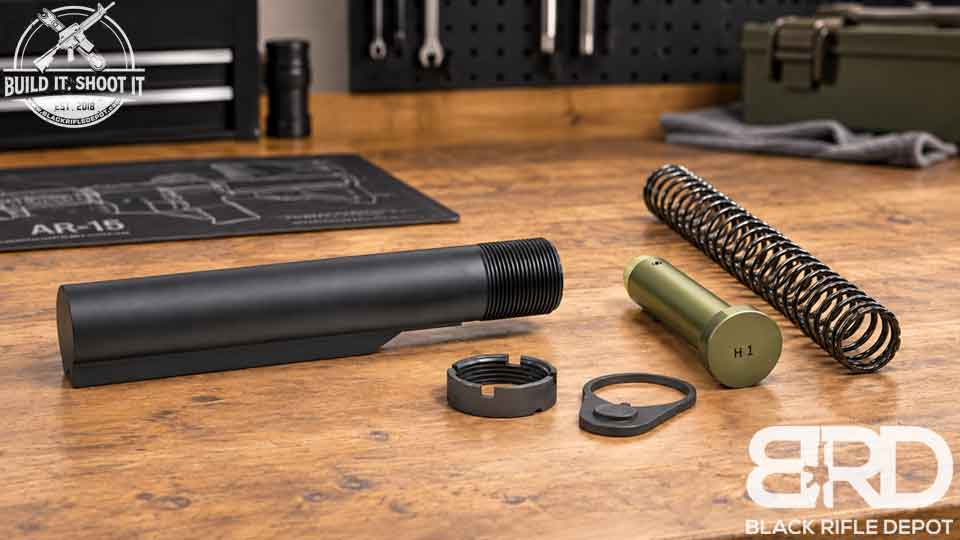
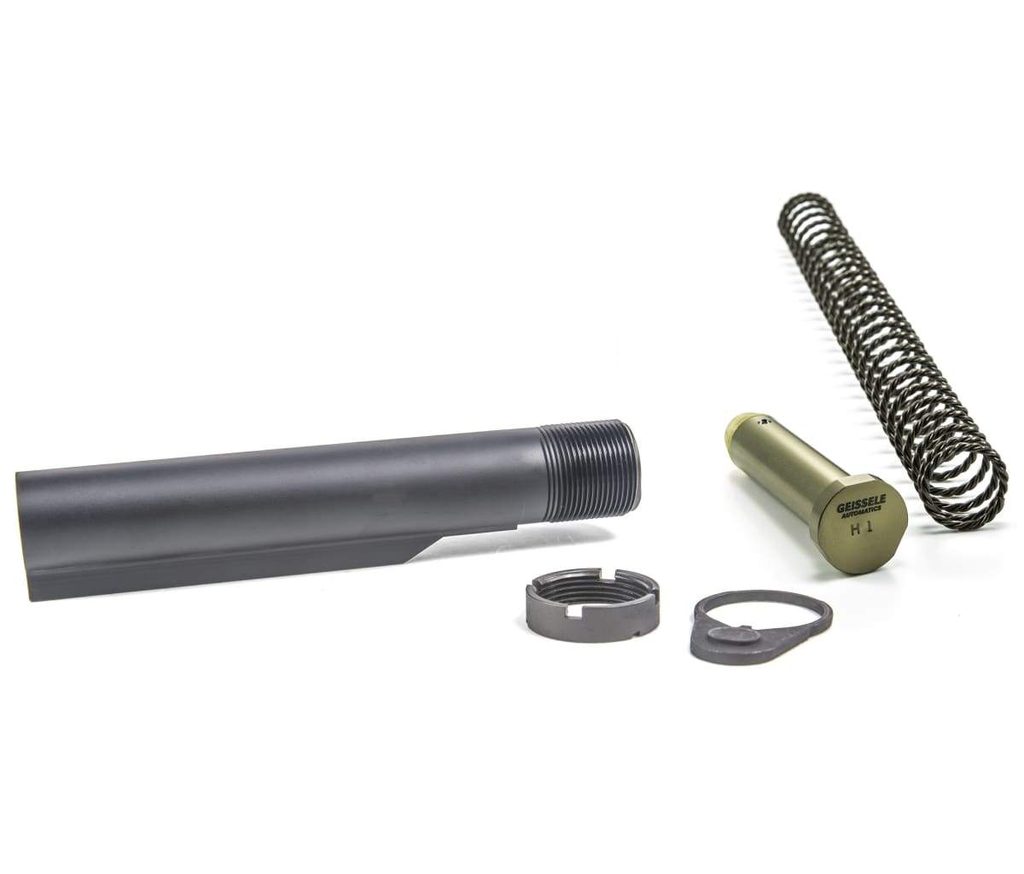
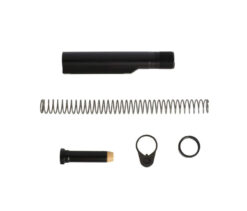
An AR-15 buffer kit generally refers to a collection of components associated with the firearm’s receiver extension, commonly called the buffer tube. Depending on the manufacturer, a kit may include the receiver extension, buffer, buffer spring, end plate, castle nut, or other related hardware. Product contents can vary, so two kits with similar names may not include the same components.
The buffer sits inside the receiver extension while the spring provides the force necessary for the operating system to return forward. Together, these components form an important part of the firearm’s cycling and recoil system. That makes it important to view the buffer, spring, and tube as a complete system rather than treating each component as universally interchangeable.
Understanding the Buffer Tube
The buffer tube, technically called the receiver extension, is attached to the rear of the lower receiver and houses the buffer and spring in conventional configurations. Several receiver-extension types exist, including carbine-length, rifle-length, and A5-style systems. These configurations use different component specifications, so don’t automatically pair a buffer tube designed for one system with parts from another.
When shopping for an AR-15 buffer tube, pay attention to the receiver extension type and the components it accommodates. The same principle applies to an AR-15 buffer tube kit or AR buffer tube kit. Looking at the complete system specifications is more useful than choosing a tube based simply on the product’s appearance or a broad “AR-15 compatible” description.
Carbine Buffer Systems
The conventional carbine buffer system is one of the most common configurations encountered on AR-15-pattern firearms. Carbine receiver extensions are relatively compact and are commonly associated with adjustable-stock configurations. A conventional system typically consists of a compatible carbine receiver extension, buffer spring, and carbine-length buffer.
Carbine buffers are available in several configurations, including standard and heavier H-series options. The right choice depends on the complete firearm configuration, not the buffer’s weight alone. Gas-system characteristics, ammunition, barrel configuration, bolt-carrier components, and manufacturer specifications can all influence how the operating system functions.
What Are H2 and H3 Buffers?
The terms H2 buffer and H3 buffer refer to heavier buffer configurations commonly encountered when shopping for AR-15 components. H-series designations generally indicate progressively heavier configurations, with H2 being heavier than a standard carbine buffer and H3 being heavier still.
However, heavier does not automatically mean better or more appropriate. Buffer weight is only one part of the overall operating system, and selecting a component simply because it has a higher weight designation can overlook other compatibility considerations. If a firearm has cycling or reliability problems, changing buffer weight without identifying the underlying cause may not fix the issue.
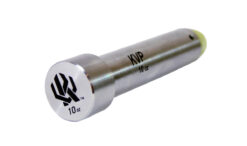
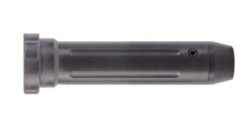
AR-15 Buffer Spring Basics
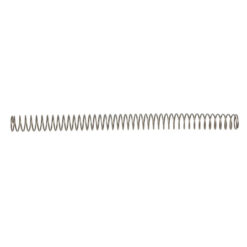
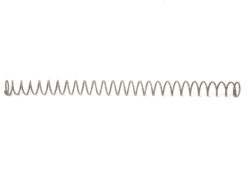
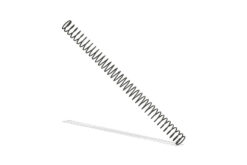
The AR-15 buffer spring works together with the buffer inside the receiver extension. Its dimensions and characteristics match the specific buffer-system configuration, so treat springs as not universally interchangeable.
Carbine, rifle-length, and A5 systems can have different spring requirements. Spring condition also matters because springs can wear over time. When replacing one, verify that the replacement spring matches your receiver extension and buffer configuration.
Rifle-Length Buffer Tubes
A rifle-length buffer tube is designed around a different receiver-extension configuration from a conventional carbine system. The distinction involves more than the tube’s physical length; the associated buffer and spring are part of the system, too.
This is why mixing individual components from different configurations can create compatibility problems. A complete kit can simplify keeping compatible components together, but buyers should still review the manufacturer’s specifications rather than assuming every component will work with every AR-pattern firearm.
The A5 Buffer System
The A5 buffer system is another configuration that differs from a conventional carbine receiver-extension system. It uses its own combination of receiver extension, buffer, and spring specifications, so it is best understood as a complete system rather than simply a heavier carbine setup.
A product such as a VLTOR A5 buffer kit is an example of this type of configuration. When evaluating an A5 system, consider the receiver extension, spring, and buffer as a complete unit. Mixing A5 components with conventional carbine components without verifying compatibility can result in an incorrectly configured system.
Whether an A5 system is appropriate depends on the specific firearm and the manufacturer’s specifications. It should not be assumed to be a universal replacement for a standard carbine buffer system.
.300 Blackout Buffer Considerations
.300 Blackout introduces additional considerations because the cartridge is commonly used with both subsonic and supersonic ammunition. Those ammunition types can have different operating characteristics, so the same firearm configuration may behave differently depending on the ammunition used.
No single .300 Blackout buffer specification applies to every firearm. A .300 Blackout configuration may share components with a 5.56 configuration, but you should determine compatibility by the complete firearm rather than cartridge designation alone. Manufacturer specifications should take priority over generalized recommendations based solely on caliber.
Does .300 Blackout Need a Different Buffer Spring?
A common question is whether a .300 Blackout firearm requires a different AR-15 buffer spring than a 5.56 configuration. Caliber alone can’t answer that. Spring compatibility depends mainly on the receiver-extension system and the specific firearm configuration.
Ammunition can affect how an operating system behaves, particularly when comparing subsonic and supersonic loads. That does not mean every .300 Blackout firearm requires a unique spring, however. The correct approach is to follow the manufacturer’s specified configuration for the particular firearm and components.
Switching Between 5.56 and .300 Blackout
Some AR-pattern configurations use interchangeable upper assemblies, but that doesn’t mean every component combination is automatically compatible. When moving between 5.56 and .300 Blackout configurations, check the complete setup rather than assuming the same buffer system will perform identically in both.
This is particularly relevant when troubleshooting cycling or reliability issues. A change in ammunition or upper configuration can alter operating characteristics, so users should consult the manufacturer’s specifications before changing the buffer system.

.308 and AR-10 Buffer Kits
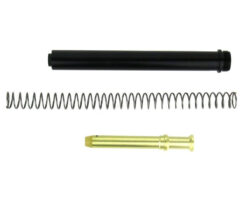
One of the most important distinctions for shoppers is the difference between an AR-15 buffer kit and a .308/AR-10 buffer kit. Although these platforms share some design characteristics, they are not simply interchangeable versions of the same system. Dimensions and component specifications can differ between AR-15 and .308/AR-10-pattern firearms.
For that reason, an AR15 buffer tube kit should not automatically be considered suitable for a .308 firearm. Buffers, springs, and receiver extensions may have different specifications depending on the particular platform and manufacturer.
The same applies when shopping for an AR-15 buffer for a .308-pattern firearm. Rather than relying on broad caliber or platform terminology, identify the specific firearm and follow its manufacturer’s compatibility information.
Can an AR-15 Carbine Buffer Be Used in a .308 Build?
This is a common compatibility question, but no universal answer applies to every .308-pattern firearm. The appropriate components depend on the particular receiver extension, buffer, spring, and firearm specifications.
An AR-15 carbine buffer and spring should therefore not be assumed to suit a .308 build simply because the components look similar. Manufacturer documentation should determine which parts suit a particular firearm.
Captured Buffer Spring Systems
Traditional systems use a separate buffer and spring inside the receiver extension, while captured systems combine components into a contained assembly. This design can affect handling, installation, and maintenance compared with a conventional buffer-and-spring arrangement.
However, captured systems are not automatically compatible with every firearm or receiver extension. As with a traditional buffer kit, compatibility should come first. Buyers should review the manufacturer’s specifications and compatibility information before replacing a conventional system with a captured design.
How to Match a Buffer Tube, Spring, and Buffer
The easiest way to avoid compatibility issues is to treat the buffer system as a group of components rather than selecting each piece independently. Start by identifying the firearm platform and receiver-extension type, then check the manufacturer’s specifications for the appropriate spring and buffer.
Pay attention to the dimensions, buffer weight, spring specifications, and receiver-extension requirements. If a complete AR-buffer tube kit includes a buffer and spring, verify that those components are intended to work together and are appropriate for the firearm.
Common Buffer-System Buying Terms
Shoppers researching buffers for AR-15 firearms will encounter several overlapping product terms. A buffer kit generally refers to a package containing some combination of the buffer, spring, receiver extension, and related hardware. An H2 buffer or H3 buffer refers to a particular buffer-weight configuration, while an AR-15 buffer spring describes the spring used with a compatible buffer system.
The terms buffer tube, AR15 buffer tube kit, AR buffer tube kit, and rifle-length buffer tube describe different aspects of the receiver-extension system. Meanwhile, an A5 buffer system refers to a distinct configuration with its own component specifications.
Understanding these terms makes it easier to compare products without assuming that similar names mean universal compatibility.
Final Considerations
Choosing the right buffer kit comes down to matching the system to your firearm’s configuration and intended use. Consider buffer weight, spring characteristics, receiver-extension length, and overall platform compatibility together rather than as separate factors.
Whether you’re working with a carbine system, rifle-length setup, .300 Blackout build, A5 system, or .308/AR-10-pattern platform, avoid selecting components based only on caliber, buffer weight, or a broad compatibility label. Always confirm the complete system’s specifications before purchasing or installing replacement parts.
Understanding the differences between receiver-extension systems is especially important when comparing AR-15 stocks and buffer kits. If you’re ready to replace worn components, complete a new build, or fine-tune your setup, Black Rifle Depot offers AR-15 buffer kits, stocks, springs, buffers, receiver extensions, and other AR-15 parts to help you find compatible components for your build.
When compatibility is uncertain, consult the component manufacturer’s specifications or a qualified gunsmith before installation.


Frequently Asked Questions
Choosing the right buffer system can raise plenty of questions, especially when comparing different AR-15 configurations, buffer weights, spring types, and receiver extensions. The answers below address some of the most common questions about AR-15 buffer kits, .300 Blackout configurations, A5 systems, and .308/AR-10 compatibility to help you understand the differences before you buy.
What buffer kit should I use for a short-barreled AR-15 pistol?
No universal buffer kit is determined solely by barrel length. The right configuration depends on the complete firearm and the manufacturer’s specifications. When compatibility is uncertain, consult the manufacturer or a qualified gunsmith before making changes.
What buffer weight works best for .300 Blackout subsonic versus supersonic ammunition?
No single buffer weight works for every .300 Blackout configuration. Subsonic and supersonic ammunition can have different operating characteristics, so the manufacturer’s recommended configuration should take priority over a generic weight recommendation.
Does a .300 Blackout AR-15 need a different buffer spring than a 5.56 build?
Not necessarily. Buffer-spring compatibility depends on the receiver-extension system and firearm configuration, not the cartridge alone. Always check the specifications for the particular firearm and components.
Can I use the same buffer kit when switching between 5.56 and .300 Blackout uppers?
Do not assume that the same buffer configuration is automatically appropriate for both setups. Confirm compatibility for the complete configuration, especially when changing upper assemblies or ammunition.
What is the difference between an AR-15 buffer kit and a .308/AR-10 buffer kit?
The platforms can use different dimensions and component specifications. An AR-15 buffer kit should not automatically be considered compatible with a .308/AR-10-pattern firearm.
Can an AR-15 carbine buffer and spring be used in a .308 AR build?
Not automatically. .308/AR-10-pattern firearms can use different receiver-extension, spring, and buffer specifications. Follow the firearm manufacturer’s documentation for the specific platform.
How do I match the buffer tube, buffer spring, and buffer weight to my AR build?
Identify the receiver-extension system first, then verify the manufacturer’s specifications for the compatible spring and buffer. Consider the three components as a system rather than selecting them independently based only on caliber or buffer weight.
Do AR-15 pistol and carbine builds use the same buffer system?
They can use related receiver-extension configurations, but the terms “pistol” and “carbine” alone do not establish which buffer system is appropriate. The specific firearm configuration and manufacturer specifications should determine compatibility.
Is an A5 buffer system better than a standard carbine buffer system for an AR-15?
The two systems use different component configurations, and neither is universally preferable. The appropriate system depends on the firearm and the manufacturer’s compatibility requirements.
Are captured buffer spring systems worth buying compared with traditional AR-15 buffer kits?
Captured systems offer a different approach to the buffer and spring assembly and may provide installation or maintenance conveniences. Their suitability ultimately depends on compatibility with the firearm and receiver extension.
For additional resources and online deals, check out our X Page.
